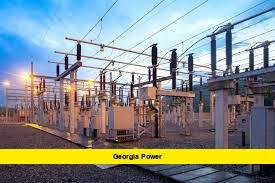

The phrase georgia power has recently surged in online searches as two very different energy stories began circulating at the same time. One involves a U.S. utility expanding electricity generation to meet soaring demand, while the other concerns a regional electricity connection project between Armenia and the country of Georgia. Because both stories include the word “Georgia” and references to electricity infrastructure, the keyword has started appearing across unrelated headlines.
At the same time, regulators in the U.S. state of Georgia have approved a massive energy expansion for Georgia Power as electricity demand climbs rapidly—particularly from data centers and other large industrial facilities. The timing of these developments has unintentionally linked two unrelated energy topics in global search results.
Energy infrastructure stories like this highlight how power demand is rising worldwide and why governments and utilities are investing heavily in new grid capacity.
If you follow major energy developments, this issue shows how global power projects and local utility decisions can sometimes intersect in unexpected ways.
Armenia–Georgia Grid Project Moves Forward
Recent developments in the South Caucasus involve efforts to strengthen electricity connections between Armenia and Georgia. Government officials in the region have been advancing projects aimed at modernizing transmission infrastructure and improving cross-border energy cooperation.
The goal of the initiative is to expand transmission capacity and allow electricity to move more efficiently between the two countries. Officials say stronger grid connections can help stabilize supply, improve reliability, and increase energy trading opportunities between neighboring markets.
Energy planners also view the project as part of a broader strategy to build stronger regional energy networks. Improved grid connections allow countries to balance supply and demand more effectively, especially when renewable energy production fluctuates.
For Armenia, improving links with neighboring grids is considered a key priority for maintaining system stability and expanding electricity exports in the future.
Why the Keyword Confusion Happened
Despite the trending searches, the Armenia–Georgia grid project has no connection to the U.S. utility Georgia Power.
The overlap comes from simple keyword similarities. News about energy infrastructure in the country of Georgia often includes phrases like “Georgia power grid” or “Georgia electricity network.” When these phrases circulate online, they can appear alongside stories about Georgia Power, which serves customers in the U.S. state of Georgia.
As a result, readers searching for information about one topic sometimes encounter articles about the other.
This type of search confusion is increasingly common as global energy projects expand and headlines reuse similar terminology.
Georgia Power’s Massive Energy Expansion
While the Armenia–Georgia grid story unfolds overseas, Georgia Power is moving forward with one of the largest electricity expansion projects in the United States.
Utility regulators recently approved a plan allowing the company to significantly increase its power generation capacity to meet rapidly growing electricity demand. The expansion could add nearly 10,000 megawatts of new energy resources, a huge increase designed to support economic growth across the state.
Much of that demand is expected to come from new data centers, which require enormous amounts of electricity to power artificial intelligence systems and cloud computing infrastructure. In fact, analysts estimate that a large portion of the new capacity will serve these high-energy facilities.
The scale of the expansion highlights how dramatically electricity demand is rising as technology industries grow.
What the New Power Capacity Will Include
Georgia Power’s expansion plan involves a mix of different energy resources to ensure grid stability.
The project includes:
- More than 3,600 megawatts of new natural-gas generation
- About 3,000 megawatts of battery energy storage
- Additional solar generation and renewable energy contracts
- Long-term power purchase agreements to supplement supply
Energy planners say combining multiple energy sources helps create a more balanced and reliable electricity system.
Battery storage is particularly important because it allows excess electricity to be stored during low demand periods and released during peak usage hours.
Promises of Lower Bills for Customers
One of the central arguments supporting the expansion is that new large-scale energy users could actually help reduce pressure on residential electricity bills.
Under the approved plan, revenue from large commercial customers—such as data centers—will contribute to covering infrastructure costs. State officials say this approach could create savings for households over time.
Projections linked to the plan suggest a typical residential customer could see roughly $102 in yearly savings once certain rate adjustments take effect in the coming years.
Supporters say spreading costs across more energy users allows the utility to invest in infrastructure without placing the full burden on residential customers.
Criticism and Concerns From Opponents
Not everyone agrees with the expansion strategy.
Some environmental organizations and consumer advocates worry that building so much new generation capacity could eventually raise costs for customers if demand forecasts turn out to be overly optimistic.
Critics have also raised concerns about the reliance on fossil-fuel generation and the environmental impact of powering large data centers. Others argue that electricity demand projections tied to artificial intelligence infrastructure could change over time.
These debates reflect a broader national discussion about how utilities should prepare for future energy needs while protecting consumers from unnecessary costs.
Global Energy Demand Is Changing the Grid
Both stories—the Armenia–Georgia interconnection project and Georgia Power’s expansion in the United States—illustrate a much larger shift in the global energy landscape.
Electricity demand is rising rapidly as economies become more digital and industries rely increasingly on data processing and automation.
Utilities and governments around the world are responding by investing in:
- New power plants
- Battery storage systems
- Renewable energy projects
- Cross-border electricity transmission lines
These investments aim to create stronger and more flexible power networks capable of supporting future growth.
As technology, artificial intelligence, and electrification continue expanding, electricity infrastructure will remain one of the most critical pieces of modern economic development.
What do you think about the rapid expansion of electricity infrastructure worldwide? Share your thoughts in the comments and keep following the latest energy developments.