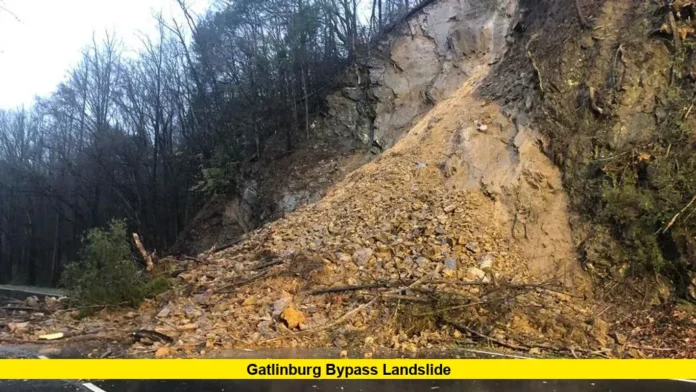

The Gatlinburg bypass landslide that struck over the weekend has become one of the most disruptive roadway events in recent years for Sevier County, Tennessee. Following hours of torrential rainfall, a massive slope failure buried sections of the bypass under tons of mud, rock, and fallen trees, forcing officials to close the road indefinitely. The incident has not only blocked a key traffic route but also created ripple effects across Gatlinburg’s bustling tourism economy.
How the Gatlinburg Bypass Landslide Happened
The Smoky Mountains are known for their steep terrain and lush vegetation, but this natural beauty also carries risks during severe weather. Heavy rains soaked the ground around Gatlinburg throughout September 27, overwhelming drainage systems and saturating the mountain slopes. As soil loosened, gravity did the rest—sending debris crashing down onto the bypass in dramatic fashion.
Drivers reported seeing mud and small rocks trickling across the road before the larger slide occurred. Within minutes, the entire stretch was blocked. Emergency crews rushed to secure the area, ensuring no one was trapped in the path of the slide. Fortunately, no injuries were reported, but the event highlighted just how quickly conditions can turn dangerous in mountain regions.
Why the Gatlinburg Bypass Is Essential
The Gatlinburg Bypass is not just another roadway—it is one of the most critical links for both local traffic and millions of tourists visiting the Great Smoky Mountains National Park each year. The bypass allows drivers to avoid the narrow streets of downtown Gatlinburg, connecting U.S. Highway 321 and 441 to Newfound Gap Road inside the park.
For residents, it provides faster commutes and a safer alternative to the crowded town center. For visitors, it means easier access to scenic overlooks, trailheads, and popular park attractions. Without it, all traffic is funneled back into downtown Gatlinburg, a charming but already congested hub.
Immediate Effects of the Closure
The closure of the bypass has created multiple challenges:
- Traffic Congestion: With no alternate route, cars are being rerouted through central Gatlinburg. This has caused backups stretching for miles during peak hours.
- Tourism Disruption: Many visitors rely on the bypass to quickly reach Great Smoky Mountains National Park. Now, longer travel times may discourage day trips or cause delays for guided tours.
- Emergency Services Impact: First responders must navigate the congested downtown routes, potentially slowing response times in case of emergencies.
Local businesses, while still open, are bracing for changes in visitor flow. Restaurants and shops downtown may see more walk-in customers due to congestion, but those located further inside the park could notice fewer tourists during the closure.
A History of Rockslides and Landslides in the Smokies
The Gatlinburg bypass landslide is not an isolated incident. The Smoky Mountains region has a long history of weather-related slope failures. Steep gradients, frequent rainfall, and aging infrastructure make roads particularly vulnerable. In past decades, both rockslides and landslides have forced temporary closures on other key routes, including Newfound Gap Road and Little River Road.
Each event highlights the ongoing challenge of maintaining safe passage in an area where nature and infrastructure constantly intersect. Engineering fixes such as retaining walls and slope stabilization have been implemented in certain sections, but even these protections can fail when rainfall is excessive.
What Authorities Are Doing Now
As of September 28, the bypass remains closed while crews carry out an extensive assessment. The response involves several stages:
- Safety Inspections – Geotechnical engineers are surveying the slope to identify additional areas at risk of collapse.
- Debris Removal – Heavy equipment will be brought in to clear mud, rocks, and fallen trees, a process that must be done cautiously to avoid triggering further slides.
- Roadway Evaluation – Officials will examine the pavement, guardrails, and drainage systems to ensure they are structurally sound.
- Stabilization Work – Measures such as regrading, drainage improvements, or new retaining walls may be necessary before the bypass can safely reopen.
No official reopening date has been set, reflecting the unpredictable nature of landslide recovery.
Other Road Impacts in Sevier County
The storm that caused the Gatlinburg bypass landslide also disrupted several other roadways in Sevier County. Local authorities confirmed temporary closures on Ridge Road, Wiley Oakley Drive, and Burden Hill Road due to flooding and debris. While most of these routes reopened quickly, the bypass remains the most severely affected.
This broader impact demonstrates how vulnerable mountain communities can be to a single weather event. When rain falls faster than the land can absorb it, roads and infrastructure become the first casualties.
Visitor Advice During the Closure
Travelers heading to Gatlinburg or the Smoky Mountains in the coming days should plan ahead. With the bypass out of service, traffic will be heavier through downtown. Some tips to keep in mind include:
- Leave earlier than usual if heading into the park.
- Consider visiting during off-peak hours to avoid the worst congestion.
- Stay updated on local traffic reports before starting your trip.
- Use alternate access points to the park, such as the Townsend or Cherokee entrances, when possible.
While the closure is inconvenient, the park itself remains open, and the fall season continues to attract visitors eager to experience the Smokies’ natural beauty.
Economic and Tourism Implications
Tourism is the lifeblood of Gatlinburg, with millions of people visiting annually to explore both the town and the park. The bypass closure comes at a critical time as the fall foliage season approaches, traditionally one of the busiest periods of the year.
Longer delays could deter some tourists from making day trips, particularly those with tight travel schedules. However, others may still embrace the slower pace, exploring downtown Gatlinburg more thoroughly while traffic funnels through the heart of the city. Local business owners are keeping a close eye on how patterns shift during the closure.
The Bigger Picture: Infrastructure and Weather Risks
The Gatlinburg bypass landslide underscores a growing reality across the Appalachian region: infrastructure is increasingly vulnerable to extreme weather. Climate patterns in recent years have brought more frequent heavy rains, placing additional pressure on mountain slopes and drainage systems.
Communities across eastern Tennessee and western North Carolina face similar challenges. Investments in slope stabilization, improved drainage, and long-term monitoring are becoming essential to keep vital roads safe. For residents and visitors alike, the bypass closure serves as a reminder that mountain travel always carries an element of unpredictability.
Resilience of the Local Community
Despite the disruption, the response from the Gatlinburg community has been swift and organized. Emergency crews acted quickly to secure the area, reroute traffic, and prevent injuries. Local officials have been transparent about the risks, urging patience and cooperation from both residents and visitors.
This resilience is not new. Gatlinburg has weathered devastating wildfires, flooding, and past road closures, emerging stronger each time. The landslide is another test of adaptability for a community that has long balanced its dependence on tourism with the challenges of its natural surroundings.
Looking Ahead
The path to reopening the bypass will depend on how quickly engineers can stabilize the slope and restore safe passage. For now, officials are prioritizing safety above all else. Travelers should prepare for detours and delays in the short term but can remain hopeful that the bypass will reopen once conditions allow.
Final Thoughts
The Gatlinburg bypass landslide is a stark reminder of the power of nature in the Smoky Mountains. While it has created disruptions and uncertainty, it also reflects the resilience of a community that knows how to respond to challenges. As cleanup and repairs continue, one thing is clear: the bypass will once again serve locals and visitors, but only after every precaution has been taken to ensure safety.
Have you driven through Gatlinburg since the bypass closed? Share your experience below and stay connected as updates on the reopening timeline become available.