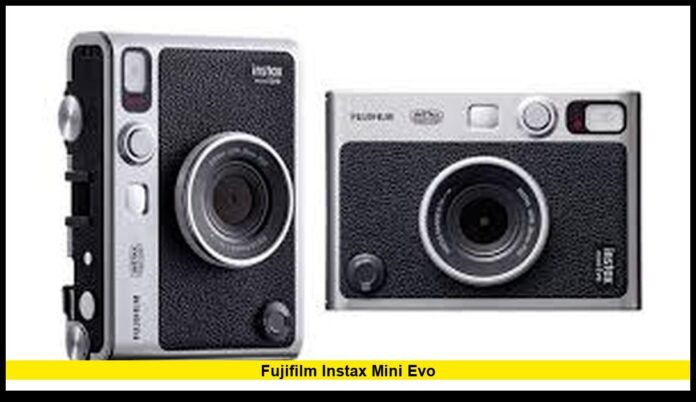

The fujifilm instax mini evo continues to stand out in 2026 as one of the most popular hybrid instant cameras available to U.S. consumers, offering a rare balance between digital control and physical photo printing. While smartphone photography dominates everyday image capture, the Instax Mini Evo holds its ground by delivering instant, tangible photos paired with modern creative flexibility. Its ongoing availability, strong consumer demand, and seamless integration into the Instax ecosystem keep it firmly relevant in today’s photography landscape.
Designed by Fujifilm, the Instax Mini Evo reflects a clear understanding of what modern users want from instant photography: control, creativity, and the satisfaction of a printed photo that feels personal and intentional.
Understanding the Fujifilm Instax Mini Evo Concept
At its core, the Fujifilm Instax Mini Evo is built around a hybrid approach. Unlike traditional instant cameras that automatically print every image, the Mini Evo captures photos digitally first. This allows users to review images on the built-in screen, adjust creative settings, and choose exactly which shots deserve to be printed.
This design solves one of the biggest frustrations of classic instant photography: wasted film. With film costs always a consideration, especially for frequent users, the ability to preview before printing adds both convenience and value. The Mini Evo transforms instant photography into a more thoughtful and rewarding process.
Current Market Position in the United States
In 2026, the Fujifilm Instax Mini Evo remains widely available across the United States through major electronics retailers, online marketplaces, and specialty photography stores. Demand has remained steady, driven by gift buyers, social photographers, travelers, and younger audiences discovering instant photography for the first time.
Fujifilm’s continued commitment to the Instax system, including stable film production and ongoing product visibility, reinforces confidence among buyers. The Mini Evo is frequently positioned as a premium option within the Instax Mini lineup, appealing to users who want more creative involvement without stepping into complex camera systems.
Design Philosophy and Physical Build
The Mini Evo’s design is one of its strongest assets. It blends retro inspiration with modern usability, creating a camera that feels both nostalgic and contemporary.
The textured exterior provides a comfortable grip, while the overall size keeps the camera portable enough for everyday use. Mechanical-style dials on the body allow users to control effects in a tactile, satisfying way. This physical interaction enhances the shooting experience, making photography feel intentional rather than automatic.
Dual shutter buttons support both portrait and landscape shooting, and the camera’s balanced weight makes it easy to hold steady during capture.
Hybrid Shooting Workflow Explained
The Fujifilm Instax Mini Evo follows a clear and intuitive workflow that sets it apart from analog instant cameras:
- Capture the image digitally
- Review the image on the LCD screen
- Adjust effects or framing if needed
- Decide whether to print
- Print onto Instax Mini film
This approach allows photographers to slow down, think creatively, and print with purpose. It also encourages experimentation, since users can try multiple effects without committing film until they are satisfied.
For many U.S. users, this workflow is the primary reason the Mini Evo feels more versatile than entry-level instant cameras.
Creative Control Through Effects
Creative expression plays a major role in the Mini Evo’s appeal. The camera includes ten lens effects and ten film effects, which can be combined to produce one hundred distinct visual styles.
Lens effects influence how light and focus behave, while film effects adjust color tone, contrast, and mood. The ability to physically rotate effect dials and see changes in real time on the screen adds to the camera’s charm.
These features make the Mini Evo especially popular for social events, travel photography, and themed photo sessions.
Display and User Interface
The camera features a 3.0-inch rear LCD screen that serves as both a viewfinder and control hub. The display provides clear previews, menu navigation, and print selection.
Menus are designed to be straightforward, allowing new users to feel comfortable quickly while still offering enough options to keep experienced users engaged. The interface avoids unnecessary complexity, staying true to the camera’s creative and social purpose.
Self-Portraits and Group Photography
Selfies and group photos are an important part of modern photography, and the Fujifilm Instax Mini Evo accommodates both with ease.
A built-in selfie mirror helps users frame self-portraits accurately without relying on guesswork. Bluetooth connectivity allows pairing with a smartphone, enabling remote shutter control and wireless photo printing.
This functionality makes the Mini Evo particularly useful for parties, family gatherings, and shared experiences where people want instant prints without crowding behind the camera.
Image Quality and Print Experience
The Mini Evo is optimized for instant film output rather than high-resolution digital files. Images are designed to look their best when printed onto Instax Mini film, which produces vibrant colors and pleasing contrast.
Instax Mini prints are small, but that size contributes to their charm. They are easy to store, display, and share, making them ideal for memory keeping rather than large-format presentation.
The camera performs best in good lighting, where colors appear more accurate and details remain crisp.
Battery Performance and Storage
The Fujifilm Instax Mini Evo uses a built-in rechargeable battery that charges via USB. For casual users, a full charge easily supports extended shooting sessions and multiple print runs.
Internal storage allows for immediate use out of the box, while microSD card support offers expanded storage for users who capture frequently or want to archive more images digitally.
This flexibility adds to the camera’s convenience and portability.
Pricing and Buying Options in 2026
In the U.S. market, the Fujifilm Instax Mini Evo typically falls within the mid-$200 price range, depending on retailer and included accessories. Multiple color options are available, including black, brown, and Gentle Rose.
Retailers often offer bundles that include film packs, cases, or additional accessories. These packages are especially popular with first-time buyers and gift shoppers.
Instax Mini film remains widely available nationwide, ensuring that users can easily maintain their camera over time.
Ongoing Costs and Film Use
Instant film is a recurring expense, but the Mini Evo’s preview-before-print feature helps manage long-term costs. Users can avoid unnecessary prints and focus on images that truly matter.
Film packs are sold in various quantities, allowing buyers to choose options that suit their usage habits. For frequent printers, multi-pack purchases often provide better value.
Position Within the Instax Family
Within the broader Instax lineup, the Mini Evo occupies a unique position. It offers more creative freedom than fully analog models while remaining simpler and more affordable than complex hybrid systems.
This balance makes it an attractive option for users who want control without technical barriers. It also appeals to those transitioning from smartphone photography to dedicated cameras.
Who the Fujifilm Instax Mini Evo Is Made For
The Mini Evo appeals to a wide range of users:
- Casual photographers who value physical prints
- Travelers who enjoy documenting trips creatively
- Social users who share photos at events
- Gift buyers looking for a memorable product
Its accessibility and creative features make it suitable for both beginners and long-time photography fans.
Tips for Better Results
Getting the best experience from the Fujifilm Instax Mini Evo comes down to a few consistent habits that enhance both image quality and overall enjoyment. Always preview images on the rear LCD before printing. This step helps you catch framing issues, adjust effects, and avoid unnecessary film use, which is especially helpful during busy events or travel.
Take time to experiment with different lens and film effect combinations. Because the Mini Evo allows real-time previews, you can quickly see how changes affect mood, contrast, and color. This makes it easier to match styles to portraits, landscapes, or indoor scenes. Lighting also plays a major role. Natural daylight or evenly lit indoor spaces produce sharper prints with more accurate colors, while low light can reduce detail.
When attending parties, celebrations, or trips, carrying extra Instax Mini film ensures you never have to stop printing at the best moments. Film runs out faster than expected when sharing prints with others. Regular lens cleaning is another small habit with a big payoff. A quick wipe removes fingerprints or dust that can soften images, especially in bright conditions where imperfections are more noticeable on prints.
Together, these simple practices help reduce wasted film, improve print consistency, and make using the Fujifilm Instax Mini Evo a more satisfying and creative experience.
Why the Fujifilm Instax Mini Evo Still Matters in 2026
In an era dominated by digital screens, the Fujifilm Instax Mini Evo offers something increasingly rare: a physical photo created in the moment that you can hold, share, or display without scrolling. Its hybrid design lets users enjoy the convenience and precision of digital photography — including previewing, editing, and selective printing — while preserving the emotional impact and tangible joy of instant film prints.
What keeps the Mini Evo relevant in 2026 is not just nostalgia. The camera’s continued availability in major U.S. retailers, expanding color options like Gentle Rose, and its integration with Bluetooth smartphone connectivity make it a flexible tool for modern creators and casual users alike. The robust supply of Instax Mini film across the country also guarantees that owners can continue printing their favorite moments without interruption. In addition, the broader Instax ecosystem continues to grow, with newer models and accessories appealing to users who want more creative expression while staying connected to the physical world of instant images.
By blending modern digital control with timeless analog appeal, the Mini Evo proves that instant photography continues to evolve rather than fade away. It remains a meaningful choice for those who value the look and feel of printed memories, making it as relevant today as when it first debuted.
The Fujifilm Instax Mini Evo shows that meaningful photography is not only about pixels, but about moments you can hold, share, and remember — and its place in 2026 remains firmly secure.