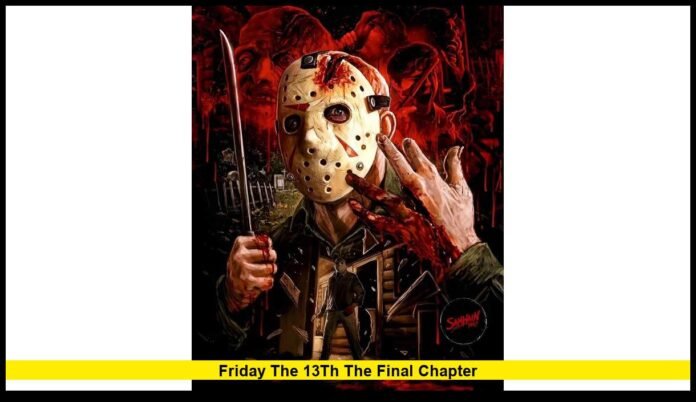

Friday the 13th The Final Chapter continues to play a central role in franchise discussions as the iconic horror series prepares for new projects and renewed audience attention in 2026. The 1984 slasher film remains one of the most influential entries in the long-running franchise, especially as modern streaming availability, 4K restorations, and the upcoming Crystal Lake television series revive interest in Jason Voorhees and his cinematic legacy.
With franchise expansion underway, this film stands as a defining moment in horror history. Its legacy continues to shape new productions, fan engagement, and the future direction of the series.
The Film That Changed the Franchise Forever
Released on April 13, 1984, Friday the 13th: The Final Chapter was directed by Joseph Zito and distributed by Paramount Pictures. It served as the fourth installment in the franchise and followed directly after the events of Friday the 13th Part III.
The film starred:
- Corey Feldman as Tommy Jarvis
- Crispin Glover as Jimmy Mortimer
- Kimberly Beck as Trish Jarvis
- Ted White as Jason Voorhees
The story begins with Jason believed to be dead and transported to a morgue. He later revives and returns to Crystal Lake, continuing his killing spree. This storyline marked a major shift. It presented Jason as an unstoppable force while introducing Tommy Jarvis, a character who would become central to later sequels.
The movie performed strongly at the box office. Made on a modest budget of approximately $2.2 million, it grossed around $33 million in the United States. It also opened at number one during its debut weekend, confirming the franchise’s growing popularity with American audiences.
Why It Was Called “The Final Chapter”
At the time of release, the studio intended the film to conclude the franchise. Producers believed the story had reached its natural endpoint and promoted it as Jason’s final appearance.
However, strong ticket sales changed those plans. Audience demand kept the series alive. Sequels quickly followed, including:
- Friday the 13th Part V: A New Beginning (1985)
- Jason Lives: Friday the 13th Part VI (1986)
- Jason Goes to Hell (1993)
- Freddy vs. Jason (2003)
The title ultimately became symbolic rather than literal. Today, it represents a turning point rather than an ending.
Corey Feldman’s Performance and the Rise of Tommy Jarvis
One of the film’s most lasting contributions was the introduction of Tommy Jarvis. Corey Feldman delivered a performance that added emotional weight to a franchise often defined by suspense and shock.
Tommy became Jason’s most recognizable adversary. His character brought intelligence and vulnerability to the story. He was not just another victim. He fought back.
That dynamic influenced later installments and remains an important part of franchise history. Even decades later, fans continue to identify Tommy Jarvis as a defining figure in the series.
Modern Restorations and Streaming Accessibility
The film’s legacy has been strengthened in recent years through restored releases and digital availability. Remastered editions with upgraded picture and sound quality have allowed longtime fans to revisit the movie in sharper detail.
Streaming platforms regularly rotate titles from the franchise, making them accessible to a new generation of viewers. Younger horror fans now discover the film decades after its original release.
This accessibility has kept the franchise culturally relevant. Interest in classic entries has grown as new projects move forward.
Connection to the Expanding Franchise Universe
The influence of Friday the 13th The Final Chapter remains visible as the franchise enters a new phase of development. Rights holders have launched broader expansion plans often referred to as the “Jason Universe,” which includes television projects and expanded storytelling.
One of the most significant upcoming developments is the Peacock television series Crystal Lake. The show serves as a prequel and explores the origins of Jason Voorhees and his family. Production wrapped in 2025, and the series is expected to premiere in 2026.
Linda Cardellini has been cast as Pamela Voorhees. The project has generated renewed attention around the franchise’s early films, especially those that solidified Jason’s mythology.
As excitement builds for new content, interest in classic installments continues to rise.
How the Film Defined Jason Voorhees
While Jason had already appeared in earlier films, this installment refined his image. Several defining elements became permanent features of the character:
- The hockey mask as his signature look
- Increased physical dominance
- Brutal efficiency in confrontations
- A clear rivalry with Tommy Jarvis
These traits shaped every sequel that followed. They also influenced the broader horror genre. Jason became one of the most recognizable villains in film history.
His silent presence and relentless pursuit defined the slasher formula for decades.
Cultural Impact Across Generations
Over time, the film earned a strong reputation among horror fans. Many consider it one of the franchise’s best entries.
Its cultural footprint extends into:
- Video games
- Halloween costumes
- Horror conventions
- Collectible merchandise
Jason Voorhees stands alongside other iconic horror figures in American pop culture. The character remains instantly recognizable, even among those who have never seen the films.
That level of brand recognition speaks to the power of this installment.
Box Office and Legacy Snapshot
| Category | Details |
|---|---|
| Release Date | April 13, 1984 |
| Director | Joseph Zito |
| Budget | $2.2 million |
| U.S. Box Office | $33 million |
| Distributor | Paramount Pictures |
| Franchise Entry | Fourth installment |
These figures highlight its commercial success and lasting appeal.
Why It Still Matters Today
More than four decades after release, the film remains significant.
Here’s why:
Franchise Revival: New television projects and expansion plans rely on the mythology built in early films.
Continued Accessibility: Digital platforms keep the movie visible to younger audiences.
Cultural Recognition: Jason’s image remains embedded in American horror culture.
Character Development: Tommy Jarvis introduced a new dynamic rarely seen in slasher films.
The movie represents a foundation for everything that followed. Without it, the franchise might not have evolved in the same way.
As the horror franchise moves into a new era with upcoming television projects and renewed fan enthusiasm, Friday the 13th The Final Chapter remains a cornerstone of slasher cinema that continues to captivate audiences across generations.
Are you revisiting this horror classic ahead of the new series? Share your thoughts and stay tuned for more updates as the franchise continues to evolve.