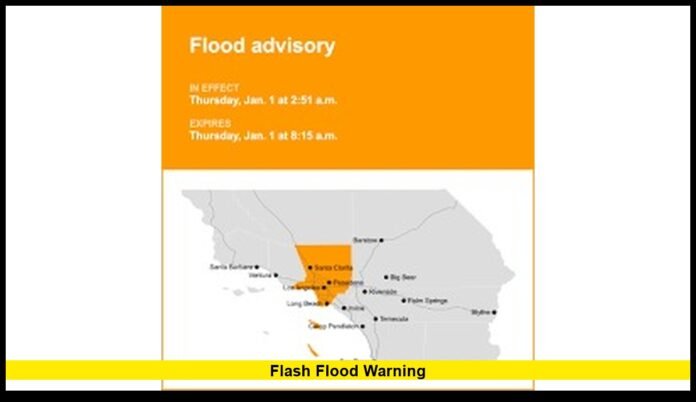

A flash flood warning signals immediate danger, and as of today, communities across the United States continue to face heightened flood risks due to intense rainfall, saturated ground, and rapidly changing weather conditions. These warnings are issued only when flooding is occurring or expected within a very short time frame, making fast response essential.
Recent storms have demonstrated how quickly conditions can escalate. Roads can become impassable within minutes, waterways can overflow without notice, and neighborhoods can be cut off before help arrives. Understanding why flash flood warnings are issued, where risks are highest, and how people should respond can reduce injuries, damage, and loss of life.
What a Flash Flood Warning Really Means
A flash flood warning is the most urgent flood alert used for sudden flooding events. It indicates that water is already rising rapidly or will do so very soon.
This warning differs from general flood alerts because it reflects speed and severity. Flash floods often develop in less than six hours, sometimes much faster. In extreme cases, water levels rise in minutes.
Key characteristics include:
- Rapid accumulation of water
- Little to no warning time
- High risk to life and infrastructure
- Immediate need for protective action
When this warning appears, emergency officials urge residents to move to higher ground and avoid travel until conditions improve.
Why Flash Flood Warnings Are Being Issued More Often
Several factors contribute to the increasing frequency of flash flood warnings across the U.S.
Intense Rainfall in Short Time Periods
Many recent storms have delivered large amounts of rain in brief windows. When rain falls faster than soil and drainage systems can handle, runoff builds instantly.
Urban areas face greater risk because pavement prevents absorption. Water flows quickly into streets, underpasses, and low-lying neighborhoods.
Saturated Soil from Back-to-Back Storms
Even moderate rainfall can cause flooding when ground is already soaked. Successive storms leave little time for water to drain or evaporate.
This condition is common during winter storm cycles and during prolonged wet seasons.
Wildfire Burn Scars
Regions impacted by wildfires are particularly vulnerable. Burned land loses vegetation that normally slows water flow. Soil structure changes, causing rain to run off instead of soaking in.
As a result, flash floods and debris flows occur faster and with greater force in burn scar areas.
Regions Currently Facing Elevated Flash Flood Risk
West Coast Storm Activity
California continues to experience strong winter storms capable of producing flash flood conditions. Coastal regions, valleys, foothills, and mountain communities remain under close observation due to repeated rainfall.
Urban flooding, hillside runoff, and roadway washouts have already been reported during recent storms.
Pacific Northwest River and Drainage Concerns
Washington and Oregon face flood risks from heavy rain combined with elevated river levels. Levee systems, drainage channels, and low-lying communities are monitored closely during prolonged rain events.
Snowmelt combined with rainfall can further intensify runoff in higher elevations.
Interior States and Urban Centers
While coastal storms receive more attention, flash flood warnings also affect inland states. Cities with aging drainage infrastructure or dense development can experience sudden flooding during strong thunderstorms.
Low-lying neighborhoods and areas near creeks or storm channels are especially vulnerable.
Flash Flood Warning vs Other Flood Alerts
Understanding alert terminology helps people respond correctly.
- Flood Watch
Flooding may occur. Preparation is advised. - Flood Warning
Flooding is happening or expected along rivers or low areas. - Flash Flood Warning
Flooding is imminent or already occurring. Immediate action is required.
Confusing these alerts can delay response and increase risk.
How Authorities Detect Flash Flood Conditions
Meteorologists use a combination of tools to identify dangerous flood scenarios:
- Doppler radar tracking rainfall intensity
- Rain gauges measuring accumulation rates
- River and stream sensors detecting rising water
- Ground saturation analysis
- Real-time field reports
Once data confirms rapid flooding potential, warnings are issued without delay to protect lives.
The Dangers of Flooded Roads
Driving during a flash flood is one of the most dangerous choices people make during storms.
Risks include:
- Hidden road damage beneath water
- Sudden drop-offs or missing pavement
- Strong currents pushing vehicles sideways
- Stalled engines and trapped occupants
Most flood-related deaths occur in vehicles. Turning around is always the safer option.
Urban Flooding: A Growing Concern
Cities are particularly vulnerable to flash floods due to limited drainage capacity.
Heavy rain can overwhelm:
- Storm drains
- Underground tunnels
- Subway entrances
- Parking structures
- Basement apartments
Water accumulates quickly and has nowhere to go, increasing property damage and safety risks.
What to Do When a Flash Flood Warning Is Issued
Immediate steps can reduce danger:
- Move to higher ground right away
- Avoid driving or walking through floodwater
- Stay off bridges over fast-moving water
- Follow evacuation instructions if given
- Monitor official alerts for updates
If flooding occurs at night, remain especially cautious. Visibility is reduced, and hazards are harder to detect.
Home Safety During Flash Flood Conditions
Protecting your home starts before water arrives.
Helpful actions include:
- Clearing gutters and drains
- Elevating valuables and electronics
- Sealing basement entry points if possible
- Parking vehicles on higher ground
- Disconnecting electrical systems if flooding threatens interior spaces
After flooding, avoid entering damaged areas until authorities say it is safe.
Community Response and Emergency Services
When flash flood warnings are issued, emergency management teams activate response plans.
Actions often include:
- Road closures
- Swift-water rescue readiness
- Emergency shelter operations
- Public safety announcements
- Utility shutdowns if needed
Cooperation from residents helps responders focus on the most urgent needs.
Long-Term Impacts of Flash Flooding
Flash floods leave lasting effects beyond immediate damage.
Communities may face:
- Infrastructure repairs
- Mold and contamination issues
- Disrupted transportation
- Business closures
- Long recovery periods
Repeated flooding strains local resources and increases economic pressure.
Preparedness Makes a Difference
People who plan ahead respond faster and safer.
Preparation tips:
- Know local flood-prone areas
- Identify multiple evacuation routes
- Keep emergency supplies accessible
- Enable emergency alerts on devices
- Discuss plans with family members
Preparedness reduces panic and confusion when warnings appear.
Seasonal Patterns and Flood Awareness
Flash flood risk varies by season:
- Winter storms bring widespread rain and runoff
- Spring snowmelt increases river overflow
- Summer thunderstorms cause sudden downpours
- Fall tropical remnants can deliver heavy rain inland
Awareness of seasonal threats helps people stay alert year-round.
Why Flash Flood Warnings Should Never Be Ignored
These warnings are issued only when serious danger exists. Ignoring them puts lives at risk.
Fast-moving water does not allow time for second chances. Responding early protects families, neighbors, and first responders.
KKey Points for U.S. Residents
Flash floods develop rapidly and can catch people off-guard, especially when heavy rain falls faster than land or drainage systems can absorb it. In recent weeks, repeated storm systems have brought intense rainfall to parts of the West Coast, the Pacific Northwest, and interior states. These heavy downpours can turn normally dry streets, canyons, and low-lying areas into dangerous streams of fast-moving water in minutes. Because flash flood onset is sudden, it is vital for residents to recognize how quickly conditions can change and act without hesitation when alerts are issued.
When a flash flood warning is broadcast for your area, it means immediate danger is present. This is not a forecast or a possibility; flooding has either begun or is expected very soon. Taking the warning seriously can be the difference between safety and harm. Waiting to see water rising can reduce reaction time and lead to life-threatening situations.
Certain landscapes face significantly higher risk. Urban centers with extensive pavement and limited drainage capacity can see water accumulate within minutes, creating deep, forceful currents in streets and underpasses. Similarly, burn scar areas — where vegetation has been removed by wildfires — struggle to absorb rainfall. Storm water flows unchecked over the ground, carrying debris and sediment that can block channels and intensify flooding. These conditions have already contributed to severe flooding in parts of California in recent months.
Driving during flooding is extremely dangerous, even when water appears shallow. Just a few inches of moving water can sweep vehicles off the road, stalled engines leave occupants trapped, and hidden debris or washed-out pavement can make roads collapse without warning. When encountering flood-covered roads, the safest choice is always to turn around and find an alternate route. Never attempt to cross moving water, no matter the size of the vehicle.
Preparation saves lives. Residents in flood-prone areas should have a safety plan in place before storms arrive. This includes knowing local evacuation routes, keeping emergency supplies on hand, enabling weather alerts on mobile devices, and making decisions early when severe weather threatens. Families should discuss roles and responsibilities ahead of time to avoid confusion during an emergency.
Understanding these points helps communities remain resilient during periods of severe weather. Awareness, readiness, and prompt action can reduce injury, protect property, and support faster recovery when flash floods affect homes and neighborhoods. By taking flash flood warnings seriously and responding quickly, residents can safeguard themselves and those around them.
Looking Ahead
As we move further into early 2026, weather patterns remain dynamic and continue to elevate the significance of a flash flood warning as a critical safety alert for Americans. Current forecasts show that Southern and Central California are entering a period of repeated storm systems, with back-to-back atmospheric rivers expected to deliver heavy rain and runoff from New Year’s Day into the first week of January. These systems will push widespread moisture into the region, raising the likelihood of intense rainfall over short time frames — the exact conditions that trigger quick-onset flooding in both urban and rural landscapes.
Further north, portions of the Pacific Northwest are monitoring elevated river levels and ongoing runoff from recent storms, which could interact with future precipitation to produce additional flash flooding threats. In the Upper Midwest and Great Lakes region, alternating bands of rain and colder air masses are producing a mix of rain-on-snow events and lake-effect precipitation that may challenge existing drainage and flood control infrastructure. Meanwhile, the broader winter outlook suggests above-normal precipitation for parts of the central U.S. and Rockies, meaning that heavy rain — sometimes combined with melting snow — could heighten flooding potential outside of the West Coast.
Communities across the country should therefore remain alert as emergency managers and meteorologists continue to track evolving systems. When a flash flood warning is issued in response to these conditions, swift action and preparedness will be essential to reduce risk, protect lives, and mitigate damage as storm patterns shift in the weeks ahead.
Stay alert, respect flash flood warnings, and share your experience or preparedness tips to help others stay safe during severe weather.