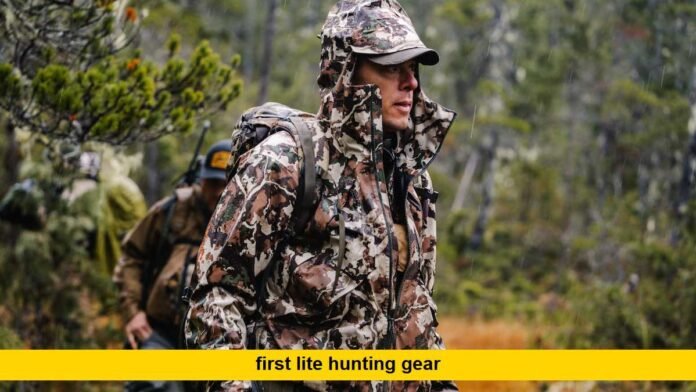

Hunters searching for dependable clothing for changing outdoor conditions often consider first lite hunting gear because of its focus on technical fabrics, merino wool, camouflage, insulation, and hunting-specific apparel. The brand offers clothing designed for a variety of activities, from physically demanding mountain hunts to stationary whitetail hunting in colder weather. Its product selection includes base layers, jackets, pants, bibs, rainwear, gloves, socks, and accessories intended to help hunters remain comfortable while navigating different temperatures and terrain.
Modern hunting clothing is expected to perform several functions at once. It needs to provide warmth without excessive weight, manage moisture during physical activity, allow freedom of movement, and offer appropriate protection from wind and precipitation. Hunters may also need quiet fabrics and camouflage suitable for their surroundings. These requirements have encouraged the development of specialized clothing systems rather than relying on traditional heavy garments alone.
What Makes First Lite Different From Traditional Hunting Clothing?
First Lite focuses on technical hunting apparel designed to work as part of a coordinated clothing system. Instead of treating a jacket or pair of pants as an isolated product, the brand’s approach emphasizes selecting garments according to the conditions and combining them when necessary.
The collection includes lightweight clothing for active hunts, insulating garments for colder temperatures, protective outerwear for rain and wind, and camouflage options designed for different hunting environments.
One of the brand’s most recognizable characteristics is its use of merino wool. Merino wool is valued for its softness, moisture-management properties, natural insulation, and odor resistance. These qualities make it useful for hunters who spend long hours outdoors and may not have access to laundry facilities during multi-day trips.
The clothing lineup also includes synthetic fabrics, insulation materials, stretch construction, and technical designs intended to meet the needs of hunters who move through difficult terrain or experience rapidly changing weather.
The result is a product range covering multiple hunting seasons and activities instead of being limited to one particular type of hunting.
Merino Wool and Its Role in Hunting Apparel
Merino wool has become an important material in performance outdoor clothing. Unlike traditional coarse wool, merino fibers are generally softer and more comfortable against the skin, making them suitable for base layers and garments worn for extended periods.
First Lite uses merino wool across different clothing weights and garment styles. These products are intended to support hunters who need clothing that can regulate comfort as activity levels and temperatures change.
Moisture management is one of the most important benefits associated with merino wool. During a hike or climb, hunters may produce sweat even when the surrounding temperature is cold. Clothing that manages moisture can help reduce discomfort when the hunter slows down or stops moving.
Temperature regulation is another advantage. Wool can provide insulation while allowing moisture vapor to move through the fabric. This can make it useful during hunting days that begin in cold conditions, become warmer during physical activity, and cool down again later.
Odor resistance is also relevant for extended trips. Merino wool naturally resists odor buildup better than many conventional fabrics under certain conditions. However, this does not mean that wool eliminates human scent or replaces proper clothing care and scent-management practices.
Comfort and quietness may also matter. Soft wool garments can be comfortable for prolonged use, while some wool fabrics may produce less noticeable noise than certain synthetic materials when moving through vegetation.
These characteristics explain why merino wool clothing is often considered for hunting base layers and insulating garments.
Understanding the Different Merino Wool Weights
Choosing the right wool weight is important because the warmest garment is not necessarily the best choice for every hunt.
Lightweight Merino
Lightweight merino clothing is designed for warmer temperatures, high activity, and situations where hunters need breathable clothing without unnecessary insulation.
These garments may be useful during early-season hunts, scouting trips, hiking, or physically demanding hunts where body heat increases quickly. Lightweight shirts and leggings can also serve as the foundation of a layering system when additional clothing is carried for changing conditions.
Midweight Merino
Midweight merino clothing provides a balance between warmth and versatility. It may be suitable for cool mornings, fall hunting, moderate temperatures, and layering beneath jackets or outerwear.
Hunters often prefer versatile garments that can be worn across different seasons rather than clothing that is useful only during a narrow temperature range.
Heavyweight Merino
Heavyweight merino garments are designed for colder conditions and situations where additional insulation is needed. They may be used during late-season hunting, cold mornings, or periods when hunters remain stationary for extended periods.
The main consideration is managing body heat. Heavy clothing can become uncomfortable during strenuous movement, potentially leading to sweat accumulation. Hunters should select insulation according to the expected activity level rather than temperature alone.
The Importance of a Layering System
A well-planned layering system allows hunters to adapt clothing to changing conditions throughout the day.
The base layer sits closest to the skin and helps manage moisture while providing a foundation for additional clothing. Lightweight or midweight merino wool may be selected according to temperature and activity.
The midlayer adds insulation. It may consist of a hoodie, fleece, wool garment, vest, or another insulating piece that can be worn over the base layer.
The outer layer provides protection from environmental conditions. Depending on the hunt, this may include a wind-resistant jacket, waterproof shell, insulated coat, or protective pants.
Layering makes it easier to adjust clothing. A hunter hiking uphill may remove a midlayer to avoid overheating, then put it back on when reaching a resting point. During a stationary hunt, additional insulation may become more important because the body is producing less heat through movement.
This approach can be particularly useful in mountain environments, where temperatures and weather conditions may change considerably during a single hunting day.
Hunting Pants Designed for Movement and Durability
Hunting pants are an essential part of any outdoor clothing system. They need to provide comfortable movement while handling contact with vegetation, rocks, dirt, and other elements encountered in the field.
First Lite offers pants designed for different hunting environments and activity levels. Depending on the product, features may include stretch materials, reinforced areas, ventilation, practical pockets, and designs intended to improve mobility.
The 308 Pant is one of the company’s recognizable hunting pant options. It is associated with a practical hunting design intended to support movement and field use.
Other pant styles, including the Corrugate Foundry Pant, emphasize different combinations of stretch, durability, and functional construction.
Hunters should consider several factors when selecting pants:
- Comfort during long periods of walking
- Stretch and mobility when climbing or kneeling
- Durability in brush and rough terrain
- Ventilation during physically demanding activity
- Pocket placement and storage
- Compatibility with base layers
- Suitability for the expected weather
The ideal pair of hunting pants depends on the terrain, hunting style, temperature, and amount of movement expected during the trip.
Jackets, Hoodies, and Insulating Layers
First Lite’s jacket collection includes garments intended for different levels of warmth and protection. Lightweight jackets may be useful during active hunting, while insulated options can provide additional warmth during cold-weather conditions.
Hoodies and quarter-zip garments are also important components of a flexible clothing system. They can provide insulation while allowing hunters to regulate heat through zippers, adjustable collars, or removable layers.
Some hunting garments incorporate features such as thumb loops, pockets, integrated hoods, and specialized designs intended for outdoor use. The usefulness of these features depends on the hunter’s preferences and conditions.
For western hunters, mobility and packability may be especially important. A jacket that can be compressed and carried in a backpack may provide valuable protection when weather changes.
For whitetail hunters sitting in a tree stand, insulation and wind protection may take priority. A garment designed for active hiking may not provide enough warmth during prolonged stationary periods.
Bibs and Cold-Weather Clothing
Hunting bibs provide additional coverage and may be particularly useful during colder hunts. They cover more of the body than standard pants and can help reduce gaps between the lower body and upper clothing.
Insulated bibs may be useful for hunters who spend extended periods sitting in blinds, tree stands, or other stationary locations. Some hunting bibs are also designed with features that support movement and practical field use.
Cold-weather clothing should be selected carefully. Too little insulation can lead to discomfort, while excessive insulation during active movement may increase sweating.
Hunters preparing for late-season trips may consider heavyweight base layers, insulated pants or bibs, a warm jacket, wind-resistant outerwear, gloves, and headwear as part of a complete system.
Rain Protection and Wind-Resistant Clothing
Weather protection is a major consideration when preparing for a hunting trip. Rain, snow, and wind can affect comfort and make it more difficult to maintain warmth.
First Lite offers rainwear designed to provide protection from precipitation. Waterproof jackets and pants can be important for hunters who expect wet weather or spend time in exposed environments.
Rainwear should be evaluated according to its intended use. Hunters may need a lightweight shell that packs easily, or they may prefer more substantial protection for prolonged exposure.
Wind-resistant garments can also be useful when temperatures are moderate but wind makes conditions feel colder. A protective outer layer can reduce exposure while allowing the clothing underneath to provide insulation.
Hunters should remember that waterproof protection and insulation serve different purposes. A rain shell may help keep clothing dry but may not provide significant warmth on its own.
Camouflage Patterns for Different Hunting Environments
Camouflage is designed to help break up a hunter’s outline and reduce visual contrast with the surrounding environment. Its usefulness depends on vegetation, terrain, lighting, distance, movement, and the species being hunted.
First Lite offers camouflage patterns associated with different hunting environments and pursuits.
Western hunting patterns are intended for landscapes that may include mountains, grasslands, timber, and open terrain. Whitetail-focused patterns are designed with woodland environments in mind, while waterfowl patterns are associated with marshes, wetlands, flooded fields, and similar settings.
Hunters should select camouflage according to where they plan to hunt rather than assuming one pattern is suitable for every environment.
Camouflage can contribute to concealment, but positioning, movement, wind direction, and awareness of surroundings remain important.
Gear for Different Hunting Styles
The clothing required for western hunting can differ substantially from the clothing needed for whitetail or waterfowl hunting.
Western Big-Game Hunting
Western hunts may involve hiking long distances, climbing elevation, carrying a backpack, and moving through changing weather.
Breathable base layers, stretch pants, lightweight midlayers, packable insulation, wind protection, and rainwear can all be useful. The clothing system should allow hunters to adjust warmth without carrying excessive weight.
Whitetail Hunting
Whitetail hunters may spend hours sitting in a tree stand or ground blind. Quiet materials, insulation, wind protection, and comfortable clothing are often priorities.
Cold-weather layers may be especially important during late-season hunts, when remaining stationary can make temperatures feel more challenging.
Waterfowl Hunting
Waterfowl hunting often involves wet environments and exposure to cold wind. Waterproof outerwear, insulated clothing, protective pants or bibs, gloves, and appropriate camouflage can help hunters prepare for these conditions.
Turkey Hunting
Turkey hunters may walk through wooded areas, move between locations, and remain still during setups. Lightweight, breathable clothing and camouflage may be useful, especially during spring hunting when temperatures can change throughout the day.
Late-Season Hunting
Late-season hunting requires attention to insulation, wind protection, and protection from snow or moisture. Heavy base layers, insulated jackets, bibs, gloves, warm socks, and headwear may become important components of the clothing system.
How to Choose the Right Hunting Clothing
Before purchasing hunting apparel, hunters should evaluate their expected conditions and priorities.
Weather should be the first consideration. Warm-weather hunts require breathable clothing, while cold-weather trips may require heavier insulation and protective outerwear.
Activity level is equally important. Hunters who hike and climb may need lightweight garments that allow ventilation and movement. Hunters who sit for long periods may need more insulation.
Terrain can influence clothing selection. Rough brush may require more durable pants, while wet environments may make waterproof protection more important.
Budget also matters. Building a complete clothing system can be expensive, so hunters may benefit from prioritizing essential garments and adding specialized pieces over time.
Is First Lite Hunting Apparel Worth Considering?
The value of premium hunting clothing depends on how often it is used and the conditions in which it performs.
Hunters who spend many days outdoors may appreciate specialized fabrics, moisture management, insulation, quiet materials, and clothing designed for particular hunting pursuits. Merino wool may also be attractive for extended trips because of its comfort and natural odor-resistant properties.
However, hunters do not necessarily need to purchase an entire premium clothing collection. A practical system built around a few essential garments may be sufficient for occasional hunting or mild weather.
Buyers should compare fabric construction, insulation, fit, durability, weather protection, and intended use before making a purchase. A garment that performs well during a mountain hike may not be the best option for a cold, stationary tree-stand hunt.
Current Product Availability and Seasonal Changes
Hunting apparel collections can change as brands introduce new products, adjust colors, update designs, or discontinue certain items. Availability may also vary by size, season, retailer, and promotional period.
First Lite’s product range includes base layers, hunting pants, jackets, bibs, insulation, rainwear, gloves, headwear, socks, and accessories. Seasonal collections may emphasize different products depending on the hunting calendar and weather conditions.
Buyers should review current product details before purchasing, particularly when selecting garments for a specific hunt. Features, prices, colors, and availability can change over time.
How to Maintain Hunting Clothing
Proper care can help preserve the performance and lifespan of hunting apparel.
Merino wool clothing should generally be washed according to its care label. Cold water, gentle washing cycles, mild detergents, and air drying may help reduce unnecessary wear.
Hunters should avoid using excessive heat or harsh cleaning products unless the garment’s instructions specifically allow them. Zippers should be secured before washing, and garments should be stored completely dry.
Rainwear and technical outer layers may require specialized care to maintain their protective properties. Following the manufacturer’s instructions is important because different materials can have different maintenance requirements.
Final Thoughts
First Lite’s hunting apparel lineup focuses on helping hunters prepare for different weather conditions, activity levels, and hunting environments. Its selection includes merino wool base layers, technical pants, insulating jackets, bibs, rainwear, camouflage, and accessories designed to work together as a clothing system.
The brand’s emphasis on layering allows hunters to adjust clothing as temperatures and activity change. This flexibility can be useful during hunts that involve long hikes, cold mornings, warm afternoons, wind, rain, or extended periods of inactivity.
The best clothing setup ultimately depends on the individual hunt. Hunters should prioritize comfort, fit, mobility, insulation, moisture management, and weather protection instead of purchasing garments solely because they belong to a premium collection.
Share your thoughts in the comments, and stay tuned for more updates on hunting apparel, outdoor equipment, and gear that can help prepare you for your next adventure.