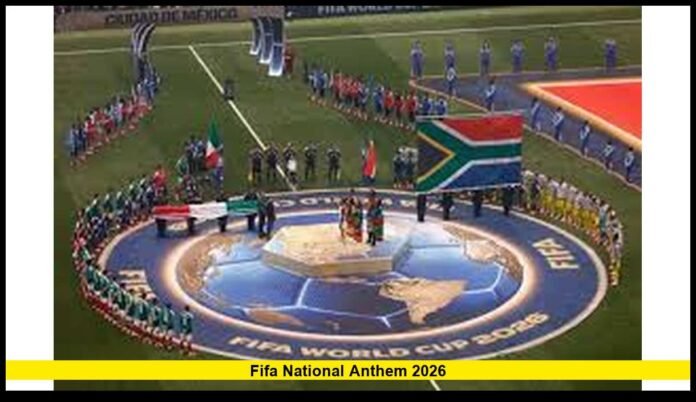

The fifa national anthem remains one of the most powerful and emotional elements of international football, bringing together players, coaches, and supporters in a shared moment before every match. As the global game continues to evolve, anthem ceremonies have become more than a pre-kickoff tradition. They now serve as a symbol of national pride, sporting excellence, and the unique atmosphere that only major international tournaments can create.
From packed stadiums filled with singing supporters to emotional players representing their countries on the world stage, national anthem moments continue to define some of football’s most memorable scenes. While goals and trophies often dominate headlines, many fans remember the passion displayed before the opening whistle just as vividly as the action that follows.
Why National Anthems Matter in International Football
International football carries a different emotional weight compared to club competitions. Players are not only competing for victories and championships; they are representing their nations in front of a global audience.
National anthems provide a moment of reflection before the intensity of competition begins. For athletes, hearing their country’s anthem while standing alongside teammates can be a career-defining experience. Many players have described anthem ceremonies as among the most emotional moments of their professional lives.
For supporters, the anthem offers an opportunity to unite behind a common identity. Fans from different cities, backgrounds, and generations come together under one flag and one song, creating a powerful sense of belonging.
This unique connection explains why anthem ceremonies remain one of the most anticipated traditions in international football.
The Evolution of Pre-Match Ceremonies
Football has changed dramatically over the decades. Stadium technology, broadcasting capabilities, and fan engagement strategies have transformed the way matches are presented around the world.
Pre-match ceremonies have evolved alongside these developments.
Earlier generations experienced relatively simple anthem presentations. Teams lined up, the anthem played, and the match began shortly afterward. Modern tournaments often feature larger visual displays, advanced lighting effects, giant national flags, and coordinated stadium presentations.
These additions have helped create a more immersive experience for both in-person spectators and television audiences.
While the core tradition remains unchanged, the presentation surrounding it has become increasingly sophisticated.
A Symbol of National Pride
National anthems serve as powerful symbols of identity.
When athletes wear their country’s colors and hear the anthem before kickoff, they carry the hopes and expectations of millions of supporters. The moment often reminds players of the sacrifices made throughout their careers to reach the international stage.
Many football legends have spoken about the emotional impact of standing shoulder-to-shoulder with teammates while their nation’s anthem plays.
The significance extends beyond the players themselves. Families, communities, and entire countries often view these moments as celebrations of national achievement.
In a sport followed by billions of people worldwide, few traditions carry the same emotional importance.
Memorable Anthem Moments in World Cup History
World Cup tournaments have produced countless unforgettable anthem scenes.
Supporters have witnessed players singing passionately, veterans shedding tears before major matches, and entire stadiums joining together in powerful displays of national pride.
Some anthem performances have become iconic because they captured the emotions surrounding a particular team or tournament. Whether celebrating a historic appearance, honoring a football tradition, or preparing for a championship match, these moments often resonate long after the final score is forgotten.
Television broadcasts regularly focus on players during anthem ceremonies because their reactions reveal the magnitude of the occasion.
Those images frequently become defining memories of international competitions.
How Fans Shape the Anthem Experience
The atmosphere inside a stadium plays a major role in the impact of a national anthem.
Supporters often begin singing before the official music starts. As the anthem continues, thousands of voices combine to create a unique environment that cannot be replicated elsewhere.
In many countries, fans view anthem participation as an essential part of matchday culture. Supporters proudly wear national colors, wave flags, and sing together with remarkable intensity.
The collective energy generated during these moments often influences the emotional tone of the match.
Players frequently acknowledge the importance of crowd support, noting that anthem ceremonies can provide an early boost of motivation before kickoff.
The interaction between athletes and supporters helps make international football one of the most emotionally engaging sporting experiences in the world.
Technology Enhances the Matchday Spectacle
Modern stadiums have transformed the way anthem ceremonies are presented.
Large high-definition screens display player introductions, national symbols, and live crowd reactions. Advanced sound systems ensure anthem performances reach every corner of the venue. Lighting technology adds visual effects that enhance the overall atmosphere.
Broadcasters have also benefited from technological advances.
Multiple camera angles, close-up player shots, aerial views, and enhanced audio capture the emotion of anthem ceremonies for viewers watching at home.
These innovations help bring fans closer to the action while preserving the significance of the tradition itself.
As stadium technology continues to improve, anthem presentations are likely to become even more immersive.
The Role of Music in Football Culture
Music has always played a central role in football culture.
Supporters create chants, songs, and traditions that become closely associated with their national teams. Tournament organizers often incorporate music into opening ceremonies, celebrations, and promotional events.
National anthems occupy a special place within this broader musical landscape.
Unlike fan chants or entertainment performances, anthems represent official national identity. They connect sporting competition with history, culture, and shared heritage.
This combination of music and national representation helps explain why anthem ceremonies remain among the most respected traditions in global sport.
Players and the Emotional Weight of Representation
Representing a national team often brings a level of responsibility that differs from club football.
Athletes understand that their performances will be closely followed by supporters across their country. The anthem ceremony serves as a reminder of that responsibility.
For younger players, hearing the anthem before their first international appearance can be particularly emotional. Years of training, competition, and personal sacrifice culminate in a moment that many dream about from childhood.
Veteran players often experience similar emotions despite years of experience.
The anthem provides a brief pause before the pressure and excitement of competition take over.
These shared experiences help strengthen bonds within national team squads.
A Global Tradition That Connects Millions
Football remains the world’s most popular sport because it brings people together across cultures and borders.
National anthem ceremonies reflect that global appeal.
Although countries have different languages, histories, and traditions, the experience of supporting a national team creates common ground for millions of fans. Supporters understand the emotions involved regardless of which country is playing.
This universal connection helps explain why anthem ceremonies receive such widespread attention during major tournaments.
The tradition serves as a reminder that football is about more than results. It is also about identity, community, and shared experiences.
The Growing Importance of Matchday Presentation
Modern sporting events compete for audience attention in an increasingly crowded entertainment landscape.
As a result, organizers place significant emphasis on creating memorable matchday experiences.
Anthem ceremonies have become an important component of that strategy.
By combining tradition with innovative presentation techniques, tournament organizers aim to enhance fan engagement while preserving the authenticity of the moment.
Successful ceremonies strike a balance between spectacle and respect, ensuring that the anthem remains the central focus.
This approach has helped maintain the relevance of anthem traditions in an era of rapid technological change.
How International Competitions Preserve Tradition
Football continuously evolves, but certain traditions remain essential.
National anthems represent one of the sport’s most enduring rituals. Despite changes in tournament formats, broadcasting methods, and stadium design, anthem ceremonies continue to occupy a special place in the matchday experience.
Organizers recognize the importance of protecting these traditions while adapting to modern expectations.
As a result, anthem presentations often combine historic elements with contemporary production techniques.
The balance between tradition and innovation helps ensure that future generations can experience the same emotions that have defined international football for decades.
The Lasting Impact of FIFA National Anthem Ceremonies
The fifa national anthem tradition continues to hold a unique position in global football. It serves as a bridge between players and supporters, between past and present, and between national identity and sporting competition.
Every tournament introduces new stars, new storylines, and new champions. Yet the anthem ceremony remains a constant presence, reminding everyone of what makes international football special.
Whether viewed inside a packed stadium or from a living room thousands of miles away, these moments capture the spirit of the game in a way few other traditions can match.
As football continues to grow around the world, anthem ceremonies will remain a powerful symbol of pride, unity, and the enduring connection between nations and the sport they love.