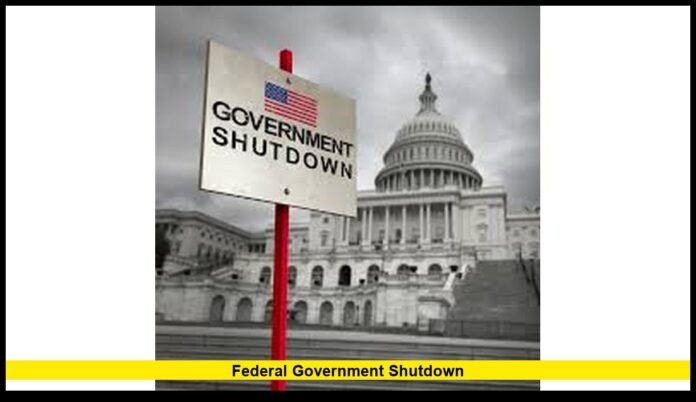

The federal government shutdown threat in the United States is drawing intense national attention as Congress races to finalize federal funding before the current deadline. With several major spending bills approved and others still unresolved, lawmakers are under growing pressure to prevent a lapse in government operations that could disrupt services, delay paychecks, and stall critical programs.
Where the Funding Process Stands
Congress must pass 12 annual appropriations bills each fiscal year to fully fund the federal government. These bills cover everything from national defense and homeland security to education, healthcare, transportation, and housing programs.
As of today, lawmakers have approved multiple appropriations packages that together fund a large portion of federal agencies for the remainder of the fiscal year. These measures ensure continued operations for departments such as Justice, Commerce, Interior, and several science and environmental agencies.
However, several of the most politically sensitive bills remain under negotiation, including funding for:
- Homeland Security
- Labor
- Health and Human Services
- Education
- Transportation
- Housing and Urban Development
Until all remaining appropriations are enacted, the risk of a funding gap remains.
Why a Shutdown Is Still on the Table
A shutdown occurs when Congress fails to pass either full-year spending bills or a temporary continuing resolution to keep agencies funded. Even with progress on multiple bills, the absence of finalized funding for all departments means parts of the government could run out of money if no interim agreement is reached.
The legislative calendar adds urgency. Lawmakers have limited floor time to debate, amend, and vote on the remaining measures. Any delays caused by political disputes or procedural hurdles could push negotiations beyond the deadline.
In such cases, Congress typically turns to a short-term funding extension to maintain current spending levels while talks continue. Whether leaders can secure enough bipartisan support for such a measure, if needed, remains a key question.
Political Divisions Driving the Stalemate
Budget negotiations this year reflect deep divisions over national priorities. Key areas of disagreement include:
- Border security and immigration enforcement funding
- Domestic spending levels for healthcare and education
- Conditions and policy riders attached to appropriations bills
- Defense and national security allocations
While leaders in both parties publicly state they want to avoid a shutdown, internal divisions within each chamber have complicated efforts to move quickly.
Some lawmakers argue for tighter spending controls and stricter policy conditions, while others push for expanded funding for social programs and infrastructure. These differences must be resolved before final bills can clear both chambers and reach the president’s desk.
What a Federal Government Shutdown Would Mean
If funding lapses, non-essential federal operations would pause. Past shutdowns have shown that impacts can include:
- Furloughs for hundreds of thousands of federal workers
- Delays in processing tax refunds, visas, and passports
- Closure of national parks and museums
- Disruptions to housing assistance, small business loans, and regulatory services
- Payment delays for government contractors
Essential services such as air traffic control, border security, and military operations would continue, but many support functions would operate with reduced staff.
Economic and Public Impact
Even short shutdowns can have measurable economic effects. Consumer confidence often dips, financial markets react to political uncertainty, and small businesses that rely on federal contracts or permits may face cash flow problems.
State and local governments also feel the strain, particularly when federal grants or reimbursements are delayed. Healthcare providers, universities, and transportation agencies that depend on federal funding can experience operational disruptions.
For federal employees, shutdowns bring uncertainty over pay and benefits, affecting household finances and morale.
Lessons From Previous Shutdowns
Recent shutdowns have underscored how quickly disruptions can ripple through the economy and public services. Delayed inspections, slowed benefit processing, and postponed infrastructure projects all create backlogs that can take months to resolve even after funding is restored.
These experiences are shaping the current negotiations, with many lawmakers citing the need for stability and predictability in government funding.
What Happens Next in Congress
In the coming days, congressional leaders are expected to:
- Finalize negotiations on outstanding appropriations bills
- Attempt to assemble bipartisan voting coalitions
- Prepare contingency plans for a short-term funding extension if needed
- Accelerate floor votes as the deadline approaches
If full-year funding cannot be completed in time, a temporary spending measure would be required to prevent a shutdown while talks continue.
Why This Moment Matters
The current standoff highlights broader questions about fiscal governance and political cooperation in Washington. Each shutdown threat reinforces concerns about the long-term reliability of the federal budgeting process and its impact on public trust.
For millions of Americans, the outcome will determine whether government services continue without interruption or face another period of uncertainty.
As negotiations enter their final phase, the path Congress chooses will decide whether the nation avoids disruption or faces yet another funding standoff.
Stay engaged and share your thoughts on how a potential shutdown could affect you or your community.