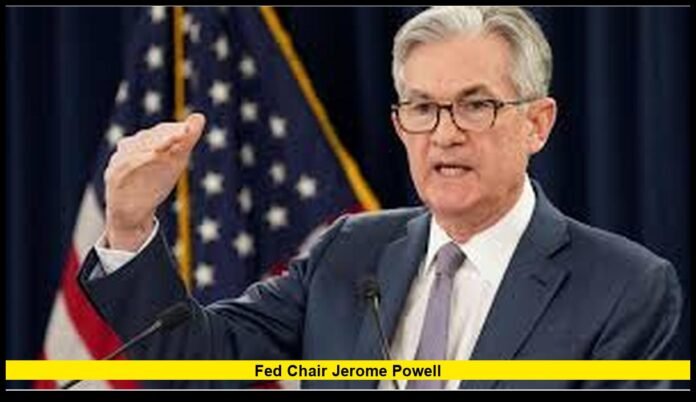

Fed Chair Jerome Powell remains the central figure guiding U.S. monetary policy in 2026, as the Federal Reserve balances inflation control, economic growth, and financial stability in a complex post-pandemic environment. His leadership continues to shape interest rates, market expectations, and the broader economic outlook for households, businesses, and investors across the United States.
Powell, who has served as chair since 2018, leads the Federal Open Market Committee, the body responsible for setting the federal funds rate and directing other key monetary tools. His current term as chair is scheduled to conclude in May 2026, while his position as a member of the Board of Governors extends into 2028. This timeline places him at a critical juncture, with policy choices made this year likely to influence economic conditions well beyond the end of his chairmanship.
Economic Landscape Entering 2026
The U.S. economy enters 2026 after several years of significant monetary tightening followed by a gradual shift toward stabilization. Inflation, which surged earlier in the decade, has moderated from its peaks, though price pressures remain an ongoing focus for policymakers. At the same time, the labor market has shown resilience, with steady job creation and historically low unemployment rates, even as growth has cooled from earlier highs.
Powell has consistently emphasized that the Federal Reserve’s dual mandate guides every decision:
- Achieving price stability over the long term
- Supporting maximum sustainable employment
These goals are pursued with careful attention to financial system health, global economic conditions, and domestic demand trends. The balance between controlling inflation and avoiding unnecessary economic slowdown continues to define the policy environment.
Interest Rate Strategy and Policy Tools
Interest rates remain the most visible instrument under Powell’s leadership. The federal funds rate influences borrowing costs throughout the economy, affecting mortgages, auto loans, credit cards, student loans, and business financing. Movements in this benchmark rate also shape asset prices, currency values, and capital flows.
In recent policy meetings, the Federal Reserve has maintained a cautious, data-driven approach. Powell has underscored several guiding principles:
- Decisions depend on confirmed economic trends, not short-term market reactions
- Inflation must show sustained progress toward the long-run target before policy is significantly eased
- The labor market must remain strong without generating renewed price pressures
- Financial conditions should support growth while avoiding excess risk-taking
Beyond interest rates, the Fed continues to manage its balance sheet, using tools such as securities holdings and liquidity facilities to ensure smooth functioning of financial markets. These measures play a key role in maintaining confidence during periods of global uncertainty.
Communication and Forward Guidance
One of Powell’s most influential responsibilities is communication. Statements, press conferences, and congressional appearances are closely followed by investors, economists, and policymakers. The clarity and consistency of these messages help shape expectations about future policy, which in turn affect financial conditions even before any formal action is taken.
Key themes in Powell’s recent communication include:
- The importance of patience in evaluating inflation trends
- The need for flexibility as economic data evolve
- A commitment to transparency in explaining policy choices
- The long-term focus on economic stability rather than short-term market movements
This emphasis on clear guidance aims to reduce uncertainty and prevent abrupt shifts in financial conditions that could disrupt economic activity.
Impact on Households and Businesses
The decisions made under Powell’s leadership reach far beyond financial markets. They influence everyday economic life in tangible ways:
- Homebuyers and renters feel changes through mortgage rates and housing affordability
- Small businesses see shifts in the cost of credit and investment planning
- Consumers experience the effects in loan payments and savings returns
- Workers are affected by hiring trends tied to overall economic growth
By steering policy to contain inflation while supporting employment, the Federal Reserve under Powell seeks to create an environment where purchasing power is preserved and job opportunities remain strong.
Institutional Role and Central Bank Independence
The position of Fed Chair Jerome Powell carries significant institutional responsibility. The Federal Reserve’s credibility depends on its ability to make decisions based on economic analysis rather than political pressure. Maintaining this independence is widely viewed as essential for anchoring inflation expectations and ensuring long-term financial stability.
Powell has repeatedly affirmed:
- The importance of objective, research-based policy
- The legal and structural safeguards that protect the Fed’s decision-making process
- The need for continuity and professionalism within the central banking system
This approach supports confidence among domestic and international investors that U.S. monetary policy remains focused on long-term economic health.
Global Context and U.S. Leadership
The Federal Reserve’s actions have global implications. As the issuer of the world’s primary reserve currency, U.S. monetary policy influences capital flows, exchange rates, and financial conditions across many economies. Powell’s role therefore extends beyond domestic considerations, requiring close attention to international developments such as:
- Growth trends in major trading partners
- Movements in global inflation
- Financial market stability in emerging and advanced economies
- Cross-border capital and currency dynamics
Coordination and communication with other central banks help ensure that policy adjustments are understood and that global financial markets remain orderly.
Looking Ahead to the End of the Chair Term
With Powell’s chair term set to conclude in May 2026, attention is also focused on leadership continuity and policy direction. The transition period is important for maintaining stability, as markets closely watch signals about future priorities and the composition of the Federal Reserve’s leadership.
During the remainder of his term, several issues are likely to remain at the forefront:
- The timing and pace of any further adjustments to interest rates
- Ongoing efforts to ensure inflation remains on a stable downward path
- Monitoring of labor market conditions for signs of overheating or weakening
- The evolution of financial conditions as global economic cycles shift
Powell’s experience and steady approach have been central to navigating periods of both rapid inflation and subsequent stabilization. His emphasis on careful analysis and measured action has aimed to reduce the risk of policy errors that could undermine growth or price stability.
Why Powell’s Leadership Continues to Matter
The influence of Fed Chair Jerome Powell extends to virtually every corner of the U.S. economy. From the cost of buying a home to the return on a savings account, from business investment decisions to government borrowing costs, the effects of monetary policy are widespread and enduring.
As 2026 progresses, the Federal Reserve under Powell’s guidance remains focused on:
- Preserving the gains made in lowering inflation
- Supporting a durable and inclusive labor market
- Safeguarding the stability of the financial system
- Communicating clearly with the public and markets
These priorities underscore the central role of the Fed chair in shaping economic conditions and maintaining confidence in the nation’s financial framework.
The coming months will be closely watched as Powell continues to lead at a pivotal time for the U.S. economy, with policy choices that will influence growth, stability, and opportunity for years to come.