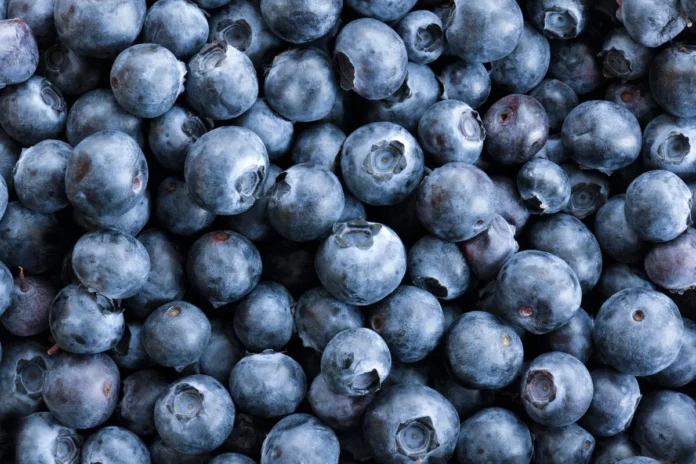

In the present context (2026), the blueberry recall situation includes both a current active recall and a previous 2025 recall involving organic blueberries and listeria contamination.
The earlier incident you referenced remains accurate as historical context. In June 2025, Alma Pak International LLC voluntarily recalled about 400 boxes (roughly 12,000 pounds) of organic blueberries after routine testing detected Listeria monocytogenes. The U.S. Food and Drug Administration (FDA) escalated that recall to a Class I level on July 1, 2025, indicating a reasonable probability that consuming the contaminated fruit could cause serious illness or death. The affected product was shipped mainly to a single customer in North Carolina and did not widely reach retail shelves.
However, in the current 2026 context, a separate and more recent recall is drawing attention. Nearly 60,000 pounds of frozen blueberries from Oregon Potato Company (Willamette Valley Fruit Company) were recalled and also classified by the FDA as Class I due to potential listeria contamination. This recall primarily involves bulk food-service distribution rather than typical grocery products.
Current Recall Status (Latest Update)
As of February 2026, a significant blueberry recall is active in the United States involving frozen blueberries distributed through bulk supply channels. The recall affects roughly 55,000 to 60,000 pounds of product and has drawn attention because of the potential health risk associated with contamination. The recall was issued by Oregon Potato Company LLC, operating under Willamette Valley Fruit Company, after concerns emerged about possible bacterial contamination.
Federal regulators reviewed the situation and the U.S. Food and Drug Administration (FDA) elevated the action to a Class I recall, which represents the agency’s most serious recall category. This classification indicates there is a reasonable probability that consuming the affected product could cause serious health consequences or, in rare cases, life-threatening illness. Class I recalls are typically issued when contamination risks involve pathogens capable of causing severe infection, particularly among vulnerable populations.
The recalled blueberries were primarily distributed in bulk formats intended for food-service, manufacturing, or institutional use rather than standard retail grocery packaging. Because of this distribution pattern, most everyday consumers are unlikely to have purchased the affected products directly, though businesses that use bulk frozen fruit should review supplier notices and product lot information carefully to ensure any impacted inventory is removed from use.
What You Need to Know About the FDA Blueberry Recall Listeria Alert (2026)
In 2026, the U.S. Food and Drug Administration (FDA) intensified a blueberry recall after identifying the potential presence of Listeria monocytogenes in bulk organic blueberries distributed through commercial supply channels. The recall involves blueberries packaged in 30-pound boxes, a format commonly used by food-service operators and food manufacturers rather than typical grocery retail sales. Because of this limited distribution, the risk to everyday consumers is considered lower, but businesses handling bulk frozen or organic blueberries have been urged to review supplier notices and product identification details carefully.
The FDA classified the action as a Class I recall, the agency’s highest risk level. This designation indicates a reasonable probability that consuming the affected blueberries could result in serious health consequences or, in rare cases, death. Class I recalls are typically issued when contamination risks involve pathogens capable of causing severe infection, prompting swift removal of products from circulation and heightened monitoring across the supply chain.
The concern centers on Listeria monocytogenes, a bacterium that causes listeriosis, a potentially serious infection. Early symptoms often include fever, muscle aches, nausea, and diarrhea, but severe cases may progress to neurological complications such as headaches, stiff neck, confusion, loss of balance, or convulsions. Pregnant individuals, newborns, older adults, and people with weakened immune systems face the greatest risk of severe illness, making rapid recall action critical to protect public health.
Why This FDA Blueberry Recall Listeria Is Critical (2026 Context)
The FDA blueberry recall involving a listeria risk is considered critical because listeriosis remains one of the most severe foodborne illnesses in the United States, contributing to an estimated 260 deaths each year. Although infections are relatively rare compared with other foodborne illnesses, listeria is responsible for a disproportionately high number of hospitalizations and fatalities. A key concern is that Listeria monocytogenes can grow even at refrigeration temperatures, meaning contaminated fresh or frozen produce may still pose a risk during normal storage. This makes recalls involving berries and other ready-to-use foods particularly significant for public health officials and the food industry.
In the broader 2026 context, the recall underscores the importance of strict safety controls across produce supply chains, including testing, traceability, and rapid response procedures when contamination is suspected. Bulk distribution channels — commonly used by food-service providers and manufacturers — can amplify risk if contaminated ingredients are incorporated into multiple products before detection.
A previous recall involving Alma Pak International LLC demonstrated how internal testing can identify contamination early and trigger voluntary action before widespread consumer exposure occurs. While that earlier event serves as an example rather than the primary current recall, it highlights ongoing industry challenges in preventing contamination and maintaining consistent food-safety standards across growing, processing, and distribution stages.
What Consumers Should Do Immediately (Present Guidance — 2026)
Consumers should take precautionary steps if they believe they may have purchased or handled blueberries connected to a current listeria-related recall. Instead of relying on older lot numbers from past incidents, the most important step today is to check recent recall notices, packaging details, and supplier communications for any product identification tied to the latest alert. This includes reviewing brand names, package sizes, “best by” dates, and distributor notifications, especially for frozen or bulk blueberries used in food-service settings.
If your blueberries appear in a recent recall notice or you cannot confirm their origin, do not consume the product. Place the berries in a sealed bag and dispose of them to prevent cross-contamination, or return them to the retailer or supplier when return instructions are provided. It is also recommended to clean and sanitize any surfaces, containers, or utensils that came into contact with the berries, since Listeria monocytogenes can survive and spread in refrigerated environments.
Consumers should watch for symptoms of listeriosis, including fever, muscle aches, nausea, diarrhea, or flu-like illness. Pregnant individuals, older adults, newborns, and people with weakened immune systems face higher risk. Seek medical attention promptly if symptoms develop after eating potentially affected blueberries, as early treatment is important.
Key Points Summary
- FDA blueberry recall listeria involves 400 boxes of organic blueberries.
- Recall issued by Alma Pak International LLC, Georgia.
- Products shipped to one North Carolina customer.
- Lot numbers affected: 13325 G1060 and 13325 G1096.
- Listeria contamination poses severe health risks, especially for vulnerable populations.
- Consumers urged to avoid consumption and report symptoms immediately.
Understanding the Broader Impact of the FDA Blueberry Recall Listeria
The FDA continues to prioritize consumer safety by issuing rapid recalls when foodborne pathogens are detected. This blueberry recall is part of a wider trend of listeria contamination in fresh produce, emphasizing the need for vigilance at every stage of food production and distribution.
Consumers should stay informed about recalls and practice safe food handling. Refrigerated foods, especially fresh fruits like blueberries, must be stored properly and checked regularly for recall notices.
Stay Safe and Informed
If you have recently purchased organic blueberries, verify the lot numbers carefully. Early recognition and treatment of listeriosis can prevent serious health complications. Stay tuned to FDA announcements and trusted health sources for the latest updates on this recall.
Protect your family by acting quickly and responsibly. Reporting any suspected cases of listeriosis to healthcare providers helps public health officials track and contain outbreaks.
Receive timely updates on food recalls and safety alerts by subscribing to trusted news sources.