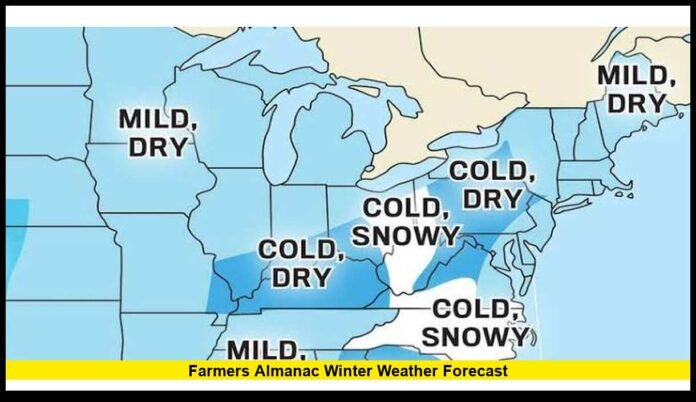

The Farmers’ Almanac winter weather forecast for 2026–2027 is giving Americans an early look at what could be an active and highly variable winter. The outlook points to major differences from one region to another, with some areas facing storms and heavy precipitation while others could experience drier conditions and sudden cold outbreaks.
The forecast covers the winter months ahead and is intended as a broad seasonal guide. It does not predict the exact temperature or snowfall for a particular day months in advance. Local forecasts will become much more useful when individual storms move closer.
Still, the latest outlook offers several important clues for people planning for winter travel, snow, ice, heating needs and outdoor activities.
What the Farmers’ Almanac Winter Forecast Says
The 2026–2027 outlook describes a winter that could change quickly.
Instead of one weather pattern dominating the entire United States, conditions are expected to vary significantly by region. Some locations could see frequent storms, while others may experience stretches of relatively quiet weather followed by brief periods of intense cold.
The main themes include:
- Stormy and wetter conditions across parts of the South
- Periods of snow and mixed precipitation in the Northeast
- Sudden cold outbreaks across northern states
- Variable snowfall in the Pacific Northwest
- Drier conditions across portions of the northern Plains and Midwest
- Potentially significant snow in parts of the southern Rockies
These differences are important because winter weather can look very different just a few hundred miles away.
A Closer Look at the Northeast
The Northeast could experience a complicated winter weather pattern.
Temperatures may move up and down throughout the season. That can create several types of precipitation during the same storm.
A storm could begin with rain along the coast. As colder air moves into the region, conditions could change to sleet, freezing rain or snow.
Inland areas may have better chances for accumulating snow, especially during colder periods.
January and February could be particularly important for winter storms. However, the seasonal forecast cannot determine the exact dates of major snowstorms.
Residents in New England, New York and surrounding areas should continue to rely on updated forecasts as each storm approaches.
Southern States Could See More Storm Activity
The South is another region to watch during the upcoming winter.
The latest outlook points to an active storm track across parts of the southern United States. Texas and areas farther east could experience several rounds of rain and storms.
Cold air could sometimes move south at the same time.
When moisture and colder air meet, the result can be significant winter weather. Depending on temperatures, precipitation could fall as rain, freezing rain, sleet or snow.
This could make the winter especially changeable across parts of the South.
Residents should not assume that a generally warm climate means they can ignore winter preparation. Short periods of freezing weather can create problems for roads, pipes and vehicles.
Texas Winter Weather Outlook
Texas could see several changes in weather during the 2026–2027 winter.
The state’s location makes it vulnerable to both Gulf moisture and cold air moving south from the Plains. When those two ingredients come together, winter storms can develop.
Northern and western Texas generally have more opportunities for snow and freezing temperatures than the Gulf Coast. However, major temperature differences can occur across the state during the same weather system.
The Farmers’ Almanac winter weather forecast suggests that Texans should be prepared for periods of storms and colder conditions rather than expecting a consistently mild season.
That does not mean snow is guaranteed in every part of Texas. Local temperatures will determine whether winter precipitation falls as rain, ice or snow.
What to Expect Across the Midwest
The Midwest could see a mix of dry periods, snow events and sudden temperature changes.
Parts of the northern Plains and Upper Midwest are expected to lean drier overall. Even so, a drier seasonal pattern does not eliminate the possibility of major snowstorms.
Individual storms can still produce heavy snow, strong winds and dangerous travel conditions.
Cold outbreaks may also be brief but intense. Temperatures can fall sharply after a storm passes, creating dangerous wind chills.
The central Midwest could see a somewhat different pattern, with periods of breezy and drier weather mixed with winter storms.
For residents, the key issue will be variability. A mild week does not necessarily mean the rest of the winter will remain mild.
Great Lakes Could See Snow and Ice
The Great Lakes region is another area where winter precipitation could become significant.
Cold air moving across the lakes can produce snow, particularly when moisture and favorable winds come together.
Some storms could also bring sleet or freezing rain.
These conditions can make travel difficult. Snow and ice can also develop quickly when temperatures remain near freezing.
The seasonal outlook cannot provide exact snowfall totals for individual Great Lakes communities. Local conditions will depend on each storm’s path and temperature profile.
Pacific Northwest Snowfall May Be Inconsistent
The Pacific Northwest could have a changeable winter.
Mountain areas may receive substantial snowfall during some storm systems. Lower elevations could see more rain or a mixture of rain and snow.
This could make the winter less consistent for ski areas and other outdoor recreation businesses.
Snowpack is also important beyond recreation. Mountain snow contributes to water supplies in many parts of the West.
However, it is too early to determine exactly how much snow individual mountain ranges will receive.
The broader seasonal forecast should therefore be treated as an indication of possible patterns rather than a precise snowfall prediction.
Southern Rockies Could See Significant Snow
The southern Rockies could benefit from an active winter storm pattern.
Higher elevations have a greater chance of receiving snow when moisture-rich systems move across the region.
Snowfall in the mountains can also remain important for winter recreation and water resources.
Lower elevations may experience very different conditions.
A storm can produce heavy snow in the mountains while bringing rain to nearby lower-elevation communities. This is another example of why regional forecasts cannot replace local weather information.
Why El Niño Matters This Winter
One of the major climate factors connected with the 2026–2027 winter is El Niño.
El Niño occurs when ocean temperatures become warmer than normal across parts of the tropical Pacific Ocean. This warming can influence atmospheric circulation and alter the position of the jet stream.
Those changes can affect winter weather across North America.
A developing El Niño often favors wetter conditions across portions of the southern United States. It can also contribute to warmer and drier conditions in some northern areas.
However, El Niño is not a guarantee of specific weather in a particular city.
Other atmospheric patterns can strengthen or weaken its influence. Individual storms also depend on short-term conditions that cannot be predicted accurately months ahead.
Why the Winter Could Change Quickly
Rapid changes are one of the biggest themes of the 2026–2027 outlook.
A region could experience mild temperatures one week and much colder weather the next.
Cold fronts can move quickly across the country. Storm systems can also change precipitation from rain to snow or ice within a matter of hours.
The Northeast is particularly sensitive to these changes because temperatures often hover near freezing during winter storms.
The South can experience similar problems when cold air moves into an area at the same time that a storm brings moisture.
This makes updated forecasts especially important during major winter weather events.
What the Forecast Means for Snow
Snowfall is expected to vary widely across the country.
Some northern areas could experience several snow events. Parts of the Northeast may see periods of heavy snow and mixed precipitation. Mountain areas in the West could also receive significant snowfall.
Other regions may experience more rain than snow.
Temperature will be one of the deciding factors.
A storm does not automatically produce snow simply because it occurs during winter. If surface temperatures remain above freezing, precipitation may fall as rain.
A small temperature difference can also change snow into sleet or freezing rain.
What the Forecast Means for Winter Travel
Winter weather can have a major effect on travel.
Snow, ice, strong winds and rapidly changing temperatures can create hazardous driving conditions. Airports can also experience delays when major storms affect busy travel corridors.
People planning winter trips should use the seasonal outlook as a planning tool rather than a travel-day forecast.
Before traveling, drivers should check the latest road conditions and weather warnings. Air travelers should also check for weather-related delays closer to departure.
The most useful information will come from forecasts issued shortly before a storm.
How Accurate Is a Long-Range Winter Forecast?
Long-range forecasts are different from short-range weather predictions.
A seasonal forecast can identify broad trends. It cannot reliably tell readers exactly what the weather will be on a specific date several months away.
The Farmers’ Almanac has published long-range weather forecasts for more than 200 years. Its approach uses a proprietary forecasting method and historical weather patterns.
The publication’s seasonal forecasts are popular with readers who want an early indication of what winter could bring.
For practical decisions, however, people should combine the seasonal outlook with updated forecasts from professional weather services.
That approach provides both a broad seasonal perspective and more precise information when individual weather events develop.
When Does Winter 2026–2027 Begin?
Meteorological winter begins on December 1, 2026, and runs through February 28, 2027.
Astronomical winter begins later, on December 21, 2026, with the winter solstice.
Weather does not follow these dates exactly. Cold temperatures and snow can arrive before December in northern states, while some southern areas may remain relatively mild well into the season.
The Farmers’ Almanac forecast looks at the broader winter period rather than a single starting date.
How to Prepare for the Coming Winter
The latest forecast gives households plenty of time to prepare.
Before winter arrives, homeowners can check heating systems and inspect exposed pipes. Drivers can also prepare vehicles for cold temperatures and winter road conditions.
Useful preparations include:
- Checking heating equipment
- Inspecting vehicle tires
- Keeping snow and ice removal supplies available
- Protecting exposed pipes
- Preparing an emergency supply kit
- Checking weather alert settings
- Reviewing winter travel plans
Preparation becomes even more important in areas that can experience sudden temperature drops.
Even a relatively mild winter can include a few dangerous storms.
Farmers’ Almanac Winter Forecast vs. Daily Weather Reports
The two types of forecasts serve different purposes.
The Farmers’ Almanac winter weather forecast provides a broad view of the season. It can help readers think about winter preparation and possible regional trends.
Daily and short-range forecasts provide much more detail.
They can track the development of a particular storm and provide updated information about precipitation, temperature, wind and timing.
For example, a seasonal forecast may indicate that a region could have a stormy winter. A short-range forecast can later tell residents whether a specific storm is likely to arrive on Wednesday or Thursday.
Both types of information can be useful, but they should not be treated as interchangeable.
Latest Update as of August 11, 2026
As of August 11, 2026, the Farmers’ Almanac’s 2026–2027 winter outlook points toward a season with strong regional differences.
The South could experience an active storm pattern and periods of heavy precipitation. Texas and parts of the Southwest may see storms accompanied by occasional cold air.
The Northeast could face a mixture of snow, rain, sleet and freezing rain. The northern Plains and Upper Midwest may trend drier overall but could still experience powerful cold outbreaks and snowstorms.
The Pacific Northwest is expected to have variable snowfall, while the southern Rockies could receive significant snow at higher elevations.
The exact conditions for individual cities remain uncertain this far ahead.
What to Watch Before Winter Arrives
Several developments will become clearer as the season approaches.
Forecasters will continue watching Pacific Ocean temperatures and atmospheric circulation. The strength and location of the winter storm track will also be important.
Changes in these patterns could affect how much snow and rain different regions eventually receive.
By late fall and early winter, forecasts for individual storms will become much more reliable.
Until then, the seasonal outlook provides an early guide for preparation.
Final Thoughts
The Farmers’ Almanac winter weather forecast 2026–2027 points to a season that could bring very different conditions across the United States.
The South may see more storms and precipitation. The Northeast could deal with a complicated mix of snow, ice and rain. Northern states may experience sudden cold outbreaks, while the Pacific Northwest could have an inconsistent snow season.
The forecast offers useful information for early winter planning, but it should not be treated as a day-by-day prediction.
As the season gets closer, updated local forecasts will provide a clearer picture of temperatures, snowfall, ice and storm timing. For now, the best approach is to prepare for changing conditions and remain flexible as winter develops.
What kind of winter are you expecting in your area? Share your thoughts in the comments and stay tuned for more updates as the 2026–2027 winter season approaches.