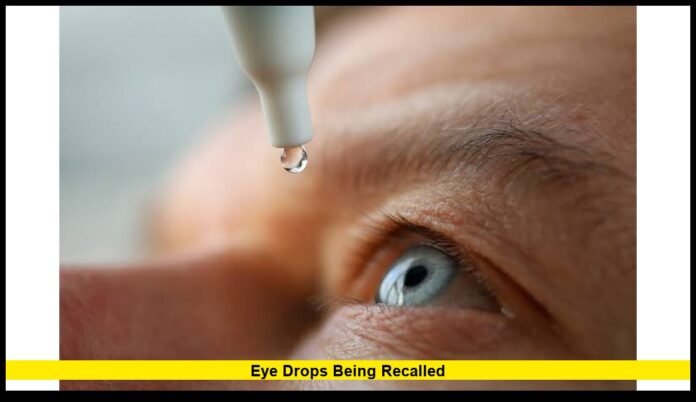

Eye drops being recalled have become a major health concern for U.S. consumers as several products have recently faced removal from the market because of safety and quality issues. Recent recall actions have involved concerns such as possible contamination, sterility problems, and foreign material found in certain products. Consumers who regularly use artificial tears, redness relief drops, or prescription eye medications are paying close attention to recall announcements and product details.
The latest recall activity includes multiple eye drop products sold across the United States. Some recalls involve large numbers of bottles distributed through pharmacies, retailers, and online stores. Health officials continue to remind consumers to check product information carefully and stop using affected products if their bottles match recall details.
Recent Eye Drop Recall Updates Affecting U.S. Consumers
Several eye drop recalls have gained attention because of potential risks linked to product quality. Manufacturers often issue voluntary recalls when they identify concerns during testing, manufacturing reviews, or quality checks.
One recent recall involved Rohto Cooling Eye Drops products. The recall affected millions of cartons because the company could not confirm sterility for certain products. The affected items included several versions designed for dryness, redness relief, and eye comfort.
Another major recall involved prescription prednisolone acetate ophthalmic suspension manufactured by Lupin Pharmaceuticals. The recall involved more than 2.5 million bottles after concerns about a foreign substance in specific products.
A newer recall involved Clear Eyes Maximum Itchy Eye Relief drops. The recall affected more than 39,000 bottles after concerns about possible sterility issues.
These actions show why consumers should review recall notices even when they have used the same product for a long time without problems.
Why Eye Drop Safety Recalls Are Important
Eye drops require strict safety standards because they are applied directly to the eye. The eye has natural protective barriers, but contaminated products can create health risks.
Manufacturers must maintain sterile conditions during production and packaging. If a company cannot guarantee that a product remains free from harmful microorganisms, a recall may be issued.
Common reasons behind eye drop recalls include:
- Possible bacterial or fungal contamination
- Lack of assurance that a product is sterile
- Foreign particles inside bottles
- Manufacturing quality concerns
- Packaging problems that may affect product safety
A recall does not always mean every product from a company is unsafe. Many recalls involve specific batches, lot numbers, expiration dates, or package sizes.
Eye Drop Products Recently Linked to Recall Notices
Consumers should carefully check their bottles because recall notices often apply only to certain products.
| Product | Main Concern | Recall Status |
|---|---|---|
| Rohto Cooling Eye Drops | Sterility concerns | Certain products recalled |
| Prednisolone Acetate Ophthalmic Suspension | Foreign substance concern | Specific bottles recalled |
| Clear Eyes Maximum Itchy Eye Relief | Potential sterility issue | Specific bottles recalled |
The safest approach is to compare the exact product information on the bottle with the details provided in official recall announcements.
How to Identify Recalled Eye Drops
Many consumers may recognize a brand name but still need additional information to know whether their product is affected.
Important details to check include:
- Product name
- Lot number
- Expiration date
- Bottle size
- Manufacturer information
The lot number is especially important because recalls often involve only certain production batches. Two bottles with the same brand name may not have the same safety status.
Consumers should avoid relying only on social media posts or online discussions. Product details should always be checked carefully before deciding whether to continue using an eye drop.
What Consumers Should Do If They Have Recalled Eye Drops
Anyone who discovers that they have a recalled eye drop product should stop using it until they confirm the next steps.
Recommended actions include:
- Stop using the affected product
- Keep the packaging for product identification
- Follow manufacturer return or disposal instructions
- Contact a pharmacist or healthcare provider if the product is medically necessary
People using prescription eye drops should speak with their healthcare provider before making changes to treatment. Suddenly stopping some medications without medical guidance may create additional health concerns.
Signs That May Require Medical Attention
Most people who use eye drops will not experience serious problems. However, consumers should pay attention to unusual symptoms after using a recalled product.
Possible warning signs include:
- Eye pain
- Increased redness
- Swelling
- Vision changes
- Light sensitivity
- Unusual discharge
- Persistent irritation
Anyone experiencing these symptoms should seek medical advice. Quick attention can help address possible eye problems before they become more serious.
How Eye Drop Manufacturing Problems Can Lead to Recalls
Eye drop production involves careful controls to prevent contamination. Companies must monitor equipment, ingredients, packaging systems, and testing procedures.
Problems can occur when manufacturers identify issues that affect product reliability. Even when no widespread illness has been reported, companies may choose to recall products as a precaution.
Sterility concerns receive special attention because eye products are designed to be placed directly on sensitive tissue. A quality issue that may seem minor with another type of product can become more significant with eye medications.
Consumer Awareness Has Increased Around Eye Product Safety
Recent recall announcements have made many Americans more aware of how important product checks can be. Many consumers now look at expiration dates and packaging details before using eye products.
Artificial tears and lubricating drops are common household items, especially among people who experience dry eyes or irritation. Because these products are widely available, safety notices can affect a large number of consumers.
Retailers and pharmacies also play an important role by removing recalled products from shelves and informing customers when necessary.
Why Accurate Recall Information Matters
When a popular health product is recalled, information can spread quickly online. However, not every post contains complete or accurate details.
Incorrect information can cause unnecessary concern or lead consumers to stop using safe products. It can also make it harder for people to identify the products that actually require action.
Consumers should focus on confirmed recall information, product labels, and healthcare guidance when making decisions about eye medications.
Staying Updated About Eye Drop Safety Alerts
Eye product recalls can change as manufacturers complete investigations and regulators review additional information. Consumers who regularly use eye drops should continue checking for new safety announcements.
Keeping product packaging until the bottle is finished can also help. Labels often contain the information needed to identify whether a product belongs to a recalled batch.
The recent attention around eye drops being recalled highlights the importance of careful product checks and quick action when safety concerns appear. Consumers can protect their eye health by staying informed, checking product details, and following recall instructions when necessary.
Share your thoughts in the comments and stay aware of the latest eye drop safety updates to help protect your health and your family.