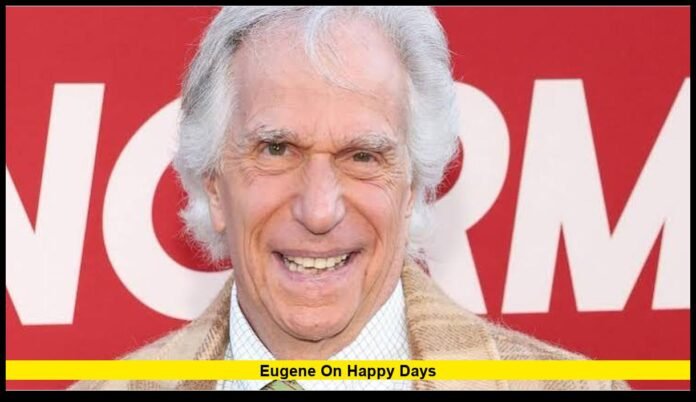

For decades, Happy Days has remained one of the most cherished sitcoms in American television history. Even years after its final episode aired, the series continues to generate conversations among longtime fans and younger viewers discovering the show for the first time. Recent remarks from Henry Winkler have renewed interest in one of the sitcom’s lesser-known recurring characters, Eugene Belvin, prompting audiences to revisit his appearances and his place within the show’s enduring legacy.
Although Eugene never ranked among the series’ biggest stars, his memorable personality and recurring appearances helped enrich the later seasons. His return to public discussion highlights how even supporting characters can leave a lasting impression on audiences long after a television series ends.
A Renewed Interest in a Familiar Face
Classic television often experiences fresh waves of popularity thanks to streaming platforms, anniversary celebrations, and cast reunions. This time, attention shifted toward Eugene after Henry Winkler reflected on his years working on Happy Days during a recent fan event.
While discussing the atmosphere behind the scenes, Winkler described the cast as a close-knit group that believed success belonged to everyone involved. During the conversation, he recalled a recurring guest actor who frequently talked about receiving fan mail. Winkler explained that he reminded the actor that the production valued teamwork over individual recognition.
Although he did not identify the performer by name during his remarks, fans quickly connected the story to Eugene Belvin, bringing renewed attention to the recurring student character.
The discussion spread rapidly across entertainment media, leading many viewers to revisit Eugene’s episodes and learn more about the actor behind the role.
Who Was Eugene Belvin?
Eugene Belvin appeared during the later years of Happy Days as a student at Jefferson High School. He became part of the younger group of characters introduced after the series gradually shifted its focus toward Joanie Cunningham, Chachi Arcola, and other high school students.
Unlike the confident or rebellious personalities often featured on the show, Eugene stood out because of his shy and awkward nature. His intelligence and sincerity made him easy to like, even when he found himself in humorous or embarrassing situations.
Rather than serving as a central figure, Eugene added depth to classroom stories and school-related episodes. His personality complemented the show’s main cast without overshadowing its established stars.
The Actor Behind Eugene
Denis Mandel portrayed Eugene Belvin in ten episodes across Seasons 8 and 9.
Although viewers recognized him for his acting, Mandel built a successful career in television comedy as both a writer and performer. His experience in comedy helped shape Eugene into a distinctive character whose humor relied more on personality than exaggerated antics.
His portrayal captured several qualities that made Eugene memorable:
- Thoughtful
- Intelligent
- Nervous
- Honest
- Socially awkward
- Good-hearted
These characteristics helped him stand apart from many other recurring teenagers who appeared during the later seasons.
How Eugene Fit Into the Series
By the time Eugene joined the cast of recurring characters, Happy Days had already undergone several important changes.
The early seasons primarily followed Richie Cunningham and his friends. As the show evolved, Fonzie became its breakout star, eventually sharing much of the spotlight with newer characters including Joanie and Chachi.
Jefferson High School became an increasingly important setting, allowing writers to introduce fresh students with different personalities.
Eugene naturally fit into this environment.
His classroom interactions, friendships, and occasional romantic misadventures created additional story possibilities while preserving the show’s lighthearted tone.
A Different Kind of Comedy Character
Many sitcoms rely on loud personalities for laughs.
Eugene represented the opposite approach.
Instead of dominating scenes, his humor came from his awkward reactions, genuine innocence, and attempts to navigate everyday teenage situations.
His character often reflected experiences many viewers could recognize:
- Wanting to fit in
- Feeling uncomfortable in social settings
- Trying to impress classmates
- Learning from embarrassing moments
- Building confidence over time
These relatable qualities helped audiences connect with him despite his relatively limited screen time.
Henry Winkler’s Recent Reflections
Henry Winkler continues to be one of the most respected figures associated with Happy Days. Throughout recent interviews and convention appearances, he has frequently shared stories about filming the iconic sitcom.
His latest comments focused less on specific episodes and more on the culture behind the cameras.
According to Winkler, the cast worked together rather than competing against one another. Every actor contributed to the success of each episode, regardless of the size of the role.
His recollection involving the recurring actor who portrayed Eugene emphasized that philosophy.
Many fans interpreted the story not as criticism but as another example of the values that helped define one of television’s most successful ensemble casts.
Life at Jefferson High
Jefferson High School became an important backdrop during the later seasons.
Many stories centered around:
- Classroom activities
- Student friendships
- School dances
- Dating
- Auto shop classes
- Athletic events
Eugene frequently appeared within these settings, interacting with classmates while providing comic relief.
His presence helped establish Jefferson High as more than simply a location. It became a community filled with recognizable personalities who contributed to the show’s charm.
The Importance of Supporting Characters
Television history often celebrates lead actors while overlooking recurring performers.
Yet supporting characters frequently make fictional worlds feel authentic.
On Happy Days, recurring students, neighbors, teachers, and friends expanded the universe beyond the Cunningham family and Fonzie.
Characters like Eugene added variety without changing the show’s familiar formula.
Their appearances allowed writers to introduce new situations while keeping the main cast connected to everyday community life.
Ten Memorable Appearances
Although Eugene appeared in only ten episodes, his recurring role gave audiences enough opportunities to become familiar with his personality.
His appearances generally included:
- School-related comedy
- Classroom scenes
- Group activities
- Student friendships
- Humorous misunderstandings
- Romantic situations
- Interactions with Fonzie
Because his appearances were spread across multiple episodes, viewers watched his personality develop naturally rather than through a single storyline.
How the Series Changed During Eugene’s Years
The arrival of Eugene coincided with one of the biggest transitions in Happy Days.
Richie Cunningham’s departure required the writers to introduce additional younger characters capable of supporting new stories.
Instead of attempting to replace earlier favorites directly, the show expanded the high school setting.
This approach introduced audiences to several recurring students who each brought something unique.
Eugene represented the quieter side of that new generation.
His personality contrasted nicely with more outgoing classmates, giving writers additional opportunities for humor and character interaction.
Why Fans Still Remember Him
Not every television character needs dozens of episodes to leave an impression.
Some become memorable simply because they offer something different.
Eugene’s awkward charm continues to resonate with longtime viewers because he represented an ordinary teenager trying to find his place among more confident classmates.
Many fans appreciate that his character never relied on exaggerated stereotypes.
Instead, he felt believable.
That authenticity remains one reason viewers continue discussing him decades after the show originally aired.
The Lasting Appeal of Happy Days
Few sitcoms have enjoyed the longevity of Happy Days.
Premiering in 1974, the series became one of ABC’s biggest successes and remained on television for eleven seasons.
Its popularity helped introduce audiences to unforgettable characters while celebrating friendship, family, and optimism.
The show’s influence can still be seen throughout modern television.
Many family sitcoms borrowed elements that Happy Days helped popularize, including ensemble storytelling, recurring neighborhood characters, and warm-hearted humor.
Because of this lasting popularity, even relatively small roles continue attracting attention whenever cast members share behind-the-scenes memories.
Henry Winkler’s Enduring Connection With Fans
Henry Winkler remains closely associated with his legendary portrayal of Arthur “Fonzie” Fonzarelli.
Despite building a remarkable career beyond Happy Days, he continues to embrace the series and regularly shares memories during public appearances.
Fans appreciate his willingness to discuss the production honestly while celebrating the friendships that developed over many years.
His recent recollection has once again demonstrated the enduring affection audiences have for every part of the show’s history, including recurring characters who appeared only occasionally.
Television Nostalgia Continues to Grow
Classic television has experienced a resurgence as streaming services introduce older programs to entirely new audiences.
Many younger viewers are discovering Happy Days for the first time, while longtime fans continue revisiting favorite episodes.
This renewed popularity has created fresh interest in supporting performers whose contributions might otherwise have faded from memory.
Characters like Eugene benefit from that renewed attention because modern audiences often enjoy exploring every corner of a beloved television series.
Why Eugene’s Story Still Matters
The renewed conversation surrounding Eugene serves as a reminder that television history is built on more than its biggest stars.
Every recurring character helped shape the atmosphere that made Happy Days such a success.
Eugene represented kindness, intelligence, and everyday teenage uncertainty. His personality balanced the confidence of larger-than-life characters while making Jefferson High feel like a real community filled with different types of students.
Although his time on screen was limited, his role remains part of the broader story that continues to attract fans decades later.
Recent attention has also encouraged viewers to revisit the later seasons, where Eugene quietly became one of the memorable faces supporting the evolving cast.
As classic television continues finding new audiences, characters like Eugene remind viewers that even smaller roles can become lasting pieces of television history. His appearances added warmth, humor, and authenticity to one of America’s most celebrated sitcoms, ensuring that he remains a recognizable part of its enduring legacy.
Do you remember Eugene’s appearances on Happy Days? Share your favorite moments and keep following for more updates on classic television and its unforgettable characters.