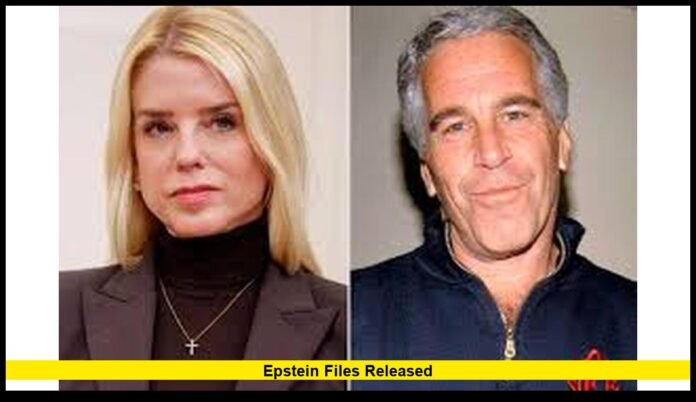

The epstein files released in recent weeks have created a new phase of transparency in the government’s handling of the Jeffrey Epstein investigations. A federal judge in Florida has authorized the Justice Department to unseal grand jury transcripts and additional investigative records following the passage of a new federal transparency law. This shift marks the largest step to date in the ongoing effort to bring decades of sealed material into public view, giving Americans more insight into how the early investigations were conducted.
For years, access to these documents remained limited, with strict secrecy rules surrounding grand jury materials and other sensitive investigative records. The recent legal order now changes that landscape. It directs federal officials to release unclassified documents, many of which have been locked away since the mid-2000s. The release represents a turning point in public access and offers a clearer window into how investigators documented Epstein’s actions, questioned witnesses, and evaluated evidence.
A major shift toward disclosure
The decision to unseal grand jury transcripts is significant because these materials rarely become public. Grand jury records traditionally remain confidential to protect witnesses and the integrity of the legal process. The new transparency law, combined with judicial approval, now supersedes those limits for the Epstein case. This change requires officials to review, redact, and publish unclassified transcripts and exhibits that were once fully shielded from public access.
The ruling affects a wide range of documents tied to the earlier federal probe, opening the door to a fuller understanding of how evidence was gathered and what testimony federal investigators heard behind closed doors. Many Americans have followed the case closely for years, and the new disclosures address long-standing calls for visibility and accountability.
Officials overseeing the release have confirmed that victims’ identities will be protected. Sensitive details involving security matters will also remain redacted. However, the majority of unclassified investigative content is now eligible for public release, signaling a comprehensive shift in access.
Previous releases paved the way
In the past year, multiple rounds of investigative records related to Epstein have already been made public. Those earlier releases included:
- Document collections from oversight reviews
- Financial logs
- Property inventories
- Communications gathered during federal investigations
- Materials seized from Epstein’s multiple residences
These disclosures increased national attention and renewed pressure for deeper transparency. Images, receipts, travel charts, and other records revealed aspects of Epstein’s activities that had not been widely accessible before. As each new batch of documents became public, public interest intensified, prompting calls for even more meaningful access to investigative evidence.
The newly ordered disclosures go further than previous releases. Unlike earlier document dumps, which often featured surface-level inventories or redacted summaries, the upcoming material includes grand jury transcripts and investigative exhibits. These records can offer more direct insight into what investigators learned, how they questioned witnesses, and which pieces of evidence they considered significant.
Scope of the material expected to be released
While the full extent of the upcoming release will depend on ongoing review and redaction, analysts expect the newly unlocked records to include the following types of content:
- Testimony given under oath before the grand jury
- Investigative exhibits used during the federal presentation of the case
- Travel documentation and transportation logs
- Files seized during searches of Epstein’s properties
- Internal investigative materials tied to federal inquiries
- Digital communications gathered during financial and trafficking-related investigations
The new transparency law directs agencies to release unclassified information. This means that much of the documentary material used in the early investigations — some of which has been stored for nearly twenty years — will enter the public domain for the first time.
The keyword requirement also means that the epstein files released so far are only the beginning of a much larger effort to organize and publish investigative records. Additional batches are expected as federal teams continue reviewing the documents.
Redactions and privacy considerations
Although far more records will now become public, officials have confirmed that privacy protections remain a top priority. Identities of victims and sensitive personal information will be removed. This protection aligns with long-standing federal policy and reflects continued support for individuals affected by Epstein’s actions.
Security-related information will also remain redacted when necessary. Some files may include elements tied to law enforcement methods, protected locations, or investigative techniques. These details must remain confidential even under the new law.
The balance between transparency and privacy is central to the release process. Officials aim to provide meaningful access to the public without compromising the dignity or safety of those involved.
Why this release is different from past disclosures
Earlier publications of Epstein-related documents offered partial insight into the scope of his activities. Many Americans sought more detailed investigative content, particularly information showing how the federal system handled the early cases. Some of the previously released material contained summaries, lists, or redacted inventories that did not reflect the full depth of evidence collected.
The new release is different in both content and legal authority. For the first time, grand jury transcripts — including questioning, sworn testimony, and exhibits — will be reviewed for public release. This level of disclosure is rare and usually occurs only when lawmakers enact new transparency requirements, as they did in this case.
Additionally, the legal order allows the government to modify previous protective orders that had blocked documents from being published. This means the collection of releasable material will be broader than what many observers initially expected.
How the process will unfold
The release of the documents will not occur all at once. Federal officials will proceed through several stages:
- Document review
Each file must be examined to determine whether it contains classified information, victim identities, or security-related content. - Redaction and preparation
Officials will remove protected information while preserving readable and meaningful content. - Batch-style publication
Documents will be released in groups rather than as a single archive. This structure reduces error and ensures accuracy. - Supplemental updates
As additional materials become eligible, new batches will be added to the public record.
This phased approach ensures compliance with privacy laws while providing consistent access to new information.
Public reaction and ongoing interest
Public reaction to the new release has been intense. Many Americans have followed developments closely for years, and the latest action gives readers their most detailed view yet into how investigators approached the case.
Victim advocates have emphasized the importance of continued sensitivity. Many support transparency but insist that personal information must remain protected. The release process reflects that priority.
Political reaction has also been strong. Lawmakers who championed the transparency measure view this as a major success for public accountability. They continue to monitor the rollout to ensure that meaningful information reaches the public without unnecessary delays.
Why this release matters to U.S. readers
The Epstein case has remained in national conversation for years because it raises questions about justice, power, and the handling of high-profile investigations. U.S. readers have sought clear, factual insight into how the case unfolded and how federal agencies managed critical decisions.
The newly released documents offer:
- More clarity about the evidence collected
- A deeper look at witness testimony
- Greater understanding of the earlier federal probes
- Insight into investigative methods
- Transparency on how sealed records were maintained
This information is relevant not only to those who followed the case closely but also to anyone interested in transparency in the U.S. justice system.
Looking ahead
As more documents are reviewed and released, readers can expect additional insight into the early investigative years that shaped later actions. The release also sets a precedent for how transparency laws can reshape access to long-protected records.
Close attention will remain on several key questions, including:
- How extensive the redactions will be
- How quickly each batch will be published
- Whether new disclosures will raise further questions about earlier investigative decisions
- How oversight bodies will incorporate the new information
While the process will unfold in stages, the core shift has already occurred: long-protected grand jury materials and investigative records are now moving into public view, offering a new level of understanding for anyone who has followed the case.
The release of these documents marks a defining moment in public access, and readers are encouraged to share their thoughts as new information continues to surface.