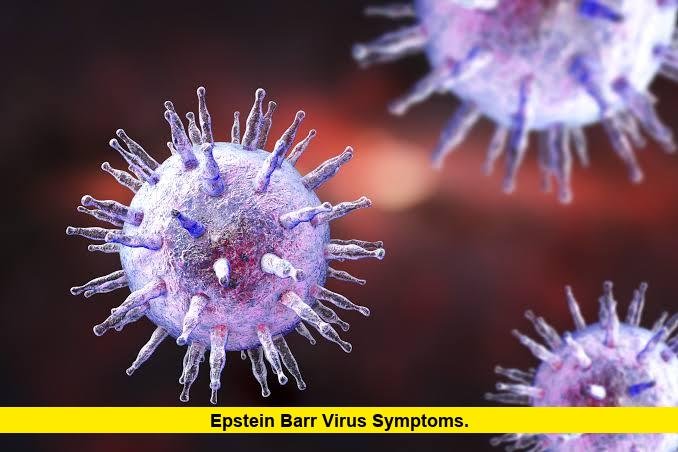

Epstein Barr virus symptoms can range from mild fever and sore throat to severe fatigue, swollen lymph nodes, and prolonged recovery. The virus, commonly called EBV, remains one of the most widespread human infections. Current medical guidance continues to emphasize that many infected people experience no noticeable symptoms, while others develop infectious mononucleosis, often called mono. Recognizing the warning signs can help people understand when to seek medical care, what testing may be necessary, and how to recover safely.
EBV belongs to the herpesvirus family and usually spreads through saliva. Although the initial infection often occurs during childhood, teenagers and young adults are more likely to develop the recognizable symptoms of mono. Most symptomatic people improve within two to four weeks, but fatigue can persist for several additional weeks or months.
There is no specific cure that eliminates EBV from the body. Treatment generally focuses on rest, hydration, symptom relief, and preventing complications. Understanding how the infection develops is essential because its symptoms can resemble those of influenza, strep throat, COVID-19, and other illnesses.
What Is Epstein-Barr Virus?
Epstein-Barr virus is a common virus that infects people worldwide. It is also known as human herpesvirus 4. Most adults have been infected at some point in their lives, although many never remember experiencing an illness associated with it.
After the initial infection, EBV remains in the body in a dormant state. This means the virus can persist without causing noticeable illness. In some circumstances, it can reactivate, although reactivation does not always produce symptoms.
For many people, childhood infection causes few or no obvious problems. Older children, teenagers, and young adults are more likely to develop infectious mononucleosis, which can cause substantial fatigue, fever, throat inflammation, and swollen glands.
EBV infection does not automatically mean someone has mono. Mono describes a recognizable illness that EBV commonly causes, rather than every infection with the virus.
What Are the Most Common Epstein Barr Virus Symptoms?
Symptoms vary depending on a person’s age, immune response, and whether the infection produces an obvious illness. Some people experience only mild discomfort, while others may struggle with fatigue and throat pain for weeks.
The most frequently recognized symptoms include:
- Extreme fatigue: A persistent feeling of exhaustion that can interfere with school, work, exercise, and everyday activities.
- Fever: An elevated body temperature that may accompany other flu-like symptoms.
- Sore throat: Throat pain that can become severe, sometimes with inflamed tonsils and white or yellowish patches.
- Swollen lymph nodes: Enlarged, tender glands, especially in the neck and sometimes in the armpits.
- Headache: Pain or pressure that may develop alongside fever and general discomfort.
- Muscle aches: General body aches that can make normal activities uncomfortable.
- Skin rash: A rash may develop during the infection or after certain antibiotics are taken.
- Reduced appetite: Some people feel less interested in eating while they are unwell.
Not everyone develops every symptom. A person may experience profound fatigue and swollen glands without a severe sore throat. Another person may primarily notice fever and throat pain.
The combination of symptoms, their duration, and a medical examination can help a healthcare professional determine whether EBV is a possible explanation.
Early Symptoms of Epstein-Barr Virus
The early stage of EBV infection can be difficult to recognize because the symptoms often resemble an ordinary viral illness. Some people initially notice a general feeling of being unwell before more distinctive symptoms appear.
Early warning signs can include tiredness, headaches, reduced appetite, mild fever, muscle aches, and a scratchy or painful throat. Swollen lymph nodes may develop as the immune system responds to the infection.
Symptoms do not necessarily appear simultaneously. Fatigue may begin before the sore throat becomes severe, and fever may fluctuate during the illness.
The timing also matters. Symptoms of infectious mononucleosis typically begin around four to six weeks after infection, although timing can vary, particularly in young children.
Because the early signs overlap with many other infections, symptoms alone cannot confirm EBV. Testing may be appropriate when symptoms are persistent, severe, or consistent with mono.
How Epstein-Barr Virus Symptoms Differ in Children and Adults
Age can influence how EBV infection appears. Young children frequently experience no noticeable symptoms or develop mild signs that resemble common childhood illnesses.
Older children, teenagers, and young adults are more likely to experience the classic symptoms of infectious mononucleosis. These can include marked fatigue, fever, swollen lymph nodes, and a severe sore throat.
Adults can develop similar symptoms, although the severity and duration vary. Some adults experience prolonged tiredness that makes returning to work, exercising, or maintaining normal routines difficult.
The following comparison summarizes common patterns.
| Age group | Typical symptom pattern |
|---|---|
| Young children | Often no symptoms or mild, nonspecific illness |
| Teenagers | More recognizable mono symptoms, including fever, sore throat, and fatigue |
| Young adults | Potentially pronounced fatigue, swollen glands, and throat inflammation |
| Older adults | Symptoms vary; other medical conditions may complicate assessment |
These are general patterns, not rules. EBV can affect people of any age, and symptoms alone cannot establish when someone acquired the infection.
How Long Do Epstein-Barr Virus Symptoms Last?
The recovery period depends on the severity of the illness and the symptoms involved. Most people with infectious mononucleosis begin feeling better within two to four weeks.
However, fatigue often lasts longer than fever or throat pain. Some people need several additional weeks to regain their usual energy levels. Occasionally, fatigue continues for six months or longer.
A gradual return to normal activities is generally more appropriate than immediately resuming strenuous exercise. Pushing through significant exhaustion can make daily life harder during recovery.
People should also remember that improvement does not necessarily mean the virus has disappeared. EBV remains in the body after the initial infection, usually in a dormant state.
If symptoms persist, worsen, or interfere significantly with daily functioning, a healthcare professional can assess whether the recovery remains consistent with mono or whether another condition needs investigation.
Can Epstein-Barr Virus Cause Severe Fatigue?
Yes. Severe fatigue is one of the most characteristic features of symptomatic EBV infection, particularly infectious mononucleosis.
This exhaustion differs from ordinary tiredness after a busy day. People may struggle to concentrate, complete household tasks, attend classes, or maintain their usual work schedule.
The fatigue can continue after the fever and sore throat have improved. That difference can make recovery frustrating, especially for people who expect all symptoms to disappear together.
Rest, adequate fluids, nutritious meals, and a gradual return to activity can support recovery. There is no established treatment that guarantees an immediate return of energy.
Persistent fatigue should not automatically be attributed to EBV. Sleep problems, anemia, thyroid disorders, medication effects, and other infections can cause similar symptoms. Medical evaluation can help identify the underlying reason.
Less Common Symptoms and Possible Complications
Although most EBV infections do not cause serious complications, some people develop symptoms involving the liver, spleen, or other organs.
Possible additional signs include:
- Enlarged spleen: The spleen may become swollen during mono, increasing the risk of rupture.
- Liver inflammation: Some people develop hepatitis or abnormal liver enzyme levels.
- Jaundice: Yellowing of the skin or whites of the eyes can occur when liver function is affected.
- Skin rash: A rash can develop during the infection, including after exposure to certain antibiotics.
- Severe tonsil swelling: Inflamed tonsils may interfere with swallowing or breathing in serious cases.
Rarely, EBV can cause neurological complications or other serious organ problems. People with weakened immune systems may face additional risks.
EBV is also associated with certain cancers, including some lymphomas and nasopharyngeal cancer. However, these outcomes are uncommon, and having EBV does not mean a person will develop cancer.
When Are Epstein-Barr Virus Symptoms a Medical Emergency?
Most cases of mono improve without hospitalization. Certain symptoms, however, require immediate medical attention.
Seek emergency care for:
- Sudden, severe abdominal pain, particularly in the upper left abdomen.
- Difficulty breathing.
- Inability to swallow saliva or severe throat swelling.
- Fainting or signs of significant internal bleeding.
Sudden abdominal pain is particularly important because an enlarged spleen can rupture. This complication can cause life-threatening internal bleeding.
Contact a healthcare professional promptly if you develop persistent fever, worsening throat pain, dehydration, yellowing of the skin or eyes, or symptoms that do not improve as expected.
People with weakened immune systems should seek medical advice early when they suspect an EBV infection. A clinician can determine whether testing or closer monitoring is necessary.
How Is Epstein-Barr Virus Diagnosed?
Healthcare professionals usually begin by reviewing symptoms, their duration, recent exposures, and relevant medical history. A physical examination may reveal swollen lymph nodes, inflamed tonsils, or an enlarged spleen.
Blood tests can help confirm the diagnosis when necessary. Common options include:
- Complete blood count: This can identify changes in white blood cells that may occur during mono.
- Monospot test: This detects certain antibodies associated with infectious mononucleosis. It can produce false-negative results, particularly early in illness, and is not reliable in every patient.
- EBV antibody testing: Specific antibodies can help distinguish a recent infection from a past infection.
The interpretation of EBV antibody results depends on which antibodies appear and when testing occurs. A positive antibody result does not automatically mean the virus is currently causing symptoms.
Healthcare professionals may also investigate other causes of fever, sore throat, or fatigue. Strep throat, influenza, COVID-19, and other infections can produce similar symptoms.
How Are Epstein-Barr Virus Symptoms Treated?
There is no routinely recommended specific antiviral treatment that cures uncomplicated EBV infection. Care focuses on relieving symptoms and allowing the body to recover.
Helpful measures include:
- Get adequate rest. Reduce strenuous activity when fatigue or fever is significant.
- Drink plenty of fluids. Water and other suitable drinks help prevent dehydration.
- Manage fever and pain. Appropriate over-the-counter medication may help when used according to its label and medical advice.
- Eat regularly. Choose manageable, nutritious meals when appetite is reduced.
- Return to activity gradually. Increase everyday activity according to recovery and medical guidance.
Antibiotics do not treat EBV because it is a virus. They may be necessary if a clinician identifies a separate bacterial infection.
Amoxicillin and ampicillin can trigger a rash in people with mono. Anyone with a suspected EBV infection should discuss appropriate treatment with a healthcare professional rather than taking leftover antibiotics.
Avoid aspirin in children and teenagers unless a healthcare professional specifically directs its use because of the risk of Reye syndrome.
Why Exercise Restrictions Matter During Recovery
One of the most important precautions for people with mono concerns the spleen. EBV can cause the spleen to enlarge, making it more vulnerable to injury or rupture.
Contact sports, heavy lifting, and strenuous exercise can create additional risks during this period. People diagnosed with mono should avoid athletic activity until a healthcare professional determines when it is safe to return.
The appropriate restriction period depends on the individual’s condition and recovery. Do not assume that feeling better means the spleen has returned to normal.
Anyone involved in competitive sports should discuss a safe return-to-play plan with their healthcare professional. Sudden abdominal pain during recovery requires emergency assessment.
Can Epstein-Barr Virus Symptoms Return?
EBV remains in the body after the initial infection. The virus can reactivate, but reactivation does not always cause noticeable illness.
A positive EBV antibody test may reflect an infection from years earlier rather than a new illness. Therefore, fatigue alone or a positive antibody result cannot establish that EBV has reactivated.
People experiencing recurrent or persistent symptoms may need further evaluation for other medical conditions. Those with compromised immune systems may require additional assessment because their risk of complications can be higher.
How Can You Reduce the Risk of EBV Infection?
EBV spreads primarily through saliva. Kissing and sharing items contaminated with saliva can transmit the virus.
Practical precautions include:
- Avoid sharing drinks, cups, utensils, toothbrushes, and lip balm.
- Avoid kissing someone who is currently ill with mono.
- Wash your hands regularly, especially after contact with saliva.
- Avoid sharing personal items that may carry infected saliva.
These measures can reduce exposure, but they cannot eliminate the risk completely. People may spread EBV before recognizing symptoms, and the virus can remain in the body for life.
There is currently no approved vaccine that prevents EBV infection.
Final Thoughts on Epstein-Barr Virus Symptoms
Epstein-Barr virus symptoms range from mild, flu-like discomfort to the prolonged exhaustion and severe sore throat associated with infectious mononucleosis. Most people recover with supportive care, but understanding warning signs, following exercise restrictions, and seeking medical attention when necessary can help prevent serious complications. Because these symptoms overlap with many other illnesses, professional evaluation remains important when the diagnosis is uncertain.
Have you experienced persistent fatigue, a sore throat, or other symptoms associated with EBV? Share your questions in the comments and stay informed about the latest verified health updates.