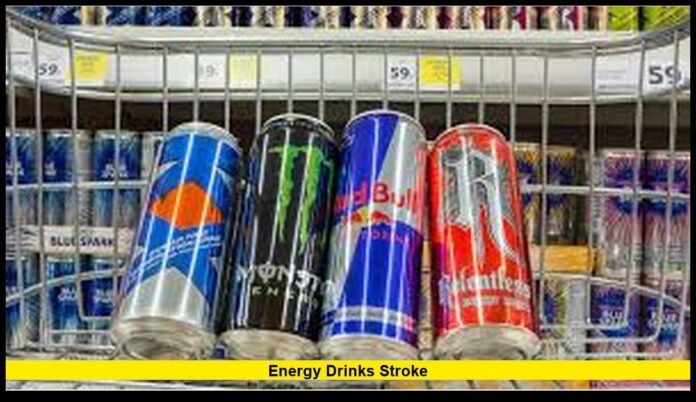

Growing concerns about the impact of high-caffeine beverages have resurfaced after new clinical observations linked excessive daily consumption to a serious neurological event now commonly referred to in medical discussions as an energy drinks stroke. The case at the center of recent attention involved a middle-aged man who suffered an ischemic stroke shortly after routinely drinking large quantities of popular energy beverages. Because the findings were released this week, physicians across the United States are renewing calls for stronger public awareness about stimulant overload and its immediate effects on the cardiovascular and nervous systems.
Short, highly concentrated bursts of caffeine have long been known to elevate blood pressure. But this newly detailed clinical account offers one of the clearest examples of how sustained overuse can push the body into a dangerous medical crisis. The account also emphasizes a vulnerability many consumers underestimate: the combination of caffeine with additional stimulants frequently included in energy beverages. As millions of Americans consume these drinks daily for work, school, and fitness routines, the renewed warnings are urgent and timely.
A closer look at the patient’s sudden medical crisis
According to clinicians, the individual involved was a man in his 50s with no major recent illness. He arrived at a hospital emergency department after experiencing an abrupt onset of left-side weakness, numbness, and difficulty coordinating his steps. Staff measured his blood pressure at an extremely dangerous 254/150 mmHg—numbers high enough to cause immediate damage to blood vessels inside the brain. Emergency imaging later revealed an ischemic stroke located in the thalamus, a region essential for sensory and motor signal processing.
During questioning, the man disclosed that he consumed around eight energy drinks every day. Physicians noted that each can contained a significant amount of caffeine, as well as additional commonly used stimulants. His daily caffeine intake exceeded typical health recommendations by several hundred percent. When hospitalized, he discontinued all energy beverages. Over the following days, his dangerously high blood pressure gradually declined until stabilizing near medical norms.
The detailed recording of these events has elevated the case from an isolated observation to a matter of broader public concern. The direct chain—from heavy stimulant consumption to severe hypertension and then to stroke—mirrors physiological patterns long documented in cardiovascular research. What makes this event notable is how clearly the clinical timeline showcases the impact of large, repeated stimulant doses on blood pressure and brain health.
Why this case matters for American consumers
Energy drinks have evolved from niche products to everyday staples. Workers use them to stay alert during long shifts, students rely on them to push through exams, and gym-goers often treat them as pre-workout supplements. The U.S. energy-drink market continues to grow at a rapid pace, fueled by bold marketing, bright packaging, and a cultural emphasis on productivity.
But doctors are urging consumers to understand the real physiological cost of pushing the body with extreme caffeine intake. The new case underscores four critical realities:
- Stimulant load adds up fast. Many drinks contain far more caffeine than traditional coffee. Some formulations include multiple stimulants that amplify caffeine’s effects.
- Blood pressure responses vary widely. Even people without diagnosed hypertension can experience sharp and prolonged spikes when consuming large quantities.
- Frequent use compounds risk. A single drink may not cause obvious harm, but daily dependence on several cans increases the strain placed on the heart and blood vessels.
- Stroke can occur without longstanding illness. The man involved in the recent medical event did not report major chronic conditions before his sudden neurological decline.
Although the broader population may believe energy drinks are harmless “pick-me-ups,” this medical case shows how powerful these beverages can truly be when consumed in excess.
How stimulant-heavy drinks affect the body
Caffeine operates by stimulating the central nervous system and blocking receptors that normally signal fatigue. Energy beverages, however, often go beyond caffeine alone. Many products add ingredients such as guarana, taurine, ginseng, and B-vitamins. The cumulative result is a rapid activation of the sympathetic nervous system—the system responsible for the body’s “fight or flight” response.
Key physiological effects include:
- Faster heart rate as the heart responds to heightened electrical activity
- Stronger cardiac contractions that increase blood flow pressure
- Narrowing of blood vessels throughout the body
- Elevated blood pressure, which can remain high long after the drink is consumed
- Higher likelihood of arrhythmias, especially in people with underlying vulnerabilities
These effects are normally manageable in small amounts. But when the stimulant load multiplies across several drinks a day, the body experiences near-constant cardiovascular stress. Over time—or in sudden spikes—this stress becomes dangerous.
In the case linked to the energy drinks stroke keyword, the patient’s extremely elevated blood pressure created ideal conditions for a clot to obstruct a critical blood vessel in the brain. Doctors observing the case reported that the man’s blood pressure declined only after he stopped his energy-drink habit, reinforcing the association between stimulant intake and hypertensive crisis.
Understanding how much caffeine is too much
Health guidelines commonly reference a limit of around 400 mg of caffeine per day for most adults. Many energy drinks contain roughly 150–200 mg of caffeine per can, though amounts vary widely. Some specialty products exceed these levels even further.
In the recently documented case, the man consumed around eight cans daily, adding up to more than 1,200 mg of caffeine. According to cardiologists, this amount places immense tension on the heart and vascular system. Even a strong, otherwise healthy body struggles to withstand that level of stimulant load without consequence.
Caffeine in such amounts may also cause:
- Sudden surges in blood pressure
- Severe headaches
- Rapid heartbeat
- Dehydration
- Tremors or restlessness
- Sleep disruption, leading to further reliance on stimulants the next day
This cycle often traps consumers in a pattern where fatigue increases as the body becomes overstressed. As a result, individuals turn to more energy drinks, unknowingly intensifying the problem.
The populations most at risk
While the recent case involves a man in his 50s, health experts warn that many Americans may face similar risks without realizing it. Individuals most vulnerable to complications from energy drinks include:
People with high blood pressure
Anyone whose blood pressure runs above the healthy range faces heightened danger. Caffeine-driven spikes put them closer to stroke thresholds.
Those with heart rhythm disorders
Stimulants can destabilize already sensitive electrical patterns within the heart.
Young adults with long-term consumption habits
College students, warehouse employees, restaurant workers, and delivery drivers often rely heavily on energy drinks during long or overnight shifts.
Individuals combining energy drinks with alcohol
Mixing stimulants with alcohol masks intoxication, places additional strain on the heart, and increases the likelihood of risky behavior.
People taking stimulant-containing medications
Some prescription drugs amplify caffeine’s effects, unintentionally raising cardiovascular load.
Athletes using energy drinks before workouts
Although marketed as performance enhancers, these beverages can overtax the cardiovascular system during intense exercise.
Doctors emphasize that even consumers without these risk factors should use such beverages cautiously. Stroke does not always require years of underlying disease to occur.
Recognizing warning signs before a medical emergency
While the man involved in the recent case reached the hospital quickly, many people may not recognize early warning signs. High blood pressure can exist silently for years, and stimulant-related spikes often go unnoticed until symptoms become severe.
Common red flags include:
- Persistent headaches
- Heart palpitations
- Unusual anxiety or jitteriness
- Numbness or tingling in limbs
- Visual changes
- Trouble speaking clearly
If any of these symptoms appear suddenly or after consuming several caffeinated drinks, seeking emergency care is crucial.
Doctors also encourage Americans to memorize the BE-FAST method for detecting stroke:
- Balance problems
- Eye vision loss
- Facial drooping
- Arm weakness
- Speech difficulty
- Time to call 911
Immediate treatment significantly improves recovery chances. Delay can lead to permanent neurological damage.
Practical safety guidance for consumers
Given the popularity of energy beverages, doctors and public-health experts stress that the goal is not to create fear but to promote informed consumption. Their current guidance includes:
- Check labels for caffeine amounts. Serving sizes may differ from what consumers assume.
- Limit total daily caffeine to medically recommended levels.
- Avoid stacking energy drinks with coffee or pre-workout supplements.
- Stay hydrated, since dehydration intensifies stimulant effects.
- Never rely on energy drinks to replace sleep.
- Seek medical advice if energy-drink use becomes a daily necessity.
Parents should also speak with teenagers about the risks, as adolescents often consume these drinks before sports, school, or gaming sessions.
Impact on public-health discussions
The medical community is using this case to reinforce ongoing national conversations about stimulant safety. Many clinicians argue that energy beverages should be treated more like powerful stimulants than soft drinks, especially given their rapidly increasing caffeine levels. Some health professionals recommend clearer labeling, stronger warnings, and public-education campaigns aimed at younger audiences.
Emergency-room doctors have noted a rise in patients reporting heart palpitations, dizziness, and severe headaches after consuming multiple caffeinated beverages. Although many cases do not escalate to stroke, the growing pattern signals the need for earlier intervention and widespread awareness.
Takeaway for readers
The newly detailed medical account linked to the energy drinks stroke keyword shows a direct chain of events that should alert consumers nationwide. A man with no major recent illness experienced a devastating stroke after habitually consuming eight energy drinks a day. The case demonstrates how powerful and dangerous excessive caffeine intake can be when combined with additional stimulants.
In a country where millions depend on energy beverages to stay awake, keep working, or boost performance, the lesson is clear: the heart and brain can only tolerate so much stimulant pressure before critical systems begin to fail. Moderation, label awareness, and early recognition of symptoms are essential steps for protecting personal health.