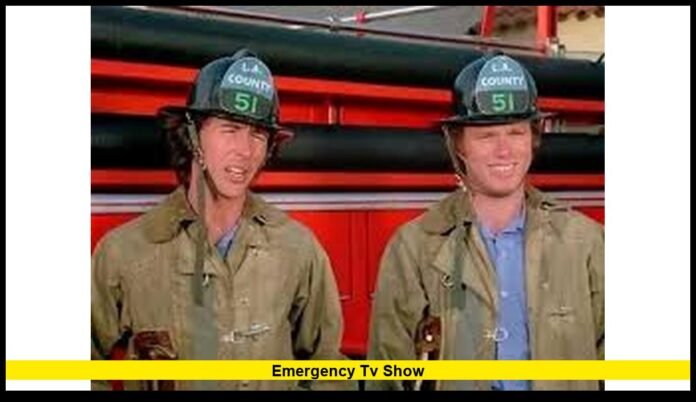

Emergency TV show remains one of the most influential medical dramas ever produced, with its popularity continuing to grow in 2026 as new audiences discover the classic series through streaming platforms. More than 50 years after its television debut, the groundbreaking NBC program still earns praise for its realistic portrayal of firefighters, paramedics, and emergency medicine. Its lasting legacy reaches far beyond entertainment, as it helped introduce millions of Americans to the lifesaving work of emergency medical services.
Unlike many television dramas from the early 1970s, Emergency! continues to feel relevant because it focused on teamwork, public service, and realistic rescue operations instead of relying on exaggerated storylines. The show’s commitment to authenticity has allowed it to remain a favorite among longtime viewers while attracting younger audiences who appreciate classic television.
A Television Series That Changed Medical Drama
When Emergency! premiered on NBC in January 1972, emergency medical services were still developing across many parts of the United States. Most Americans knew little about paramedics or advanced pre-hospital care. Ambulance services often provided only basic transportation, and many communities had not yet established modern EMS systems.
The series helped introduce viewers to a new generation of emergency professionals trained to provide advanced medical treatment before patients reached a hospital. Every episode highlighted the importance of quick decisions, specialized equipment, and coordinated teamwork between firefighters, paramedics, dispatchers, and hospital staff.
That realistic approach distinguished the show from many other dramas of its era and helped create lasting public awareness about emergency medicine.
The Story Behind Emergency!
Created by television producer Robert A. Cinader and producer-director Jack Webb, Emergency! centered on the daily operations of Los Angeles County Fire Department Station 51.
The story primarily followed paramedics Johnny Gage and Roy DeSoto as they responded to a wide variety of emergencies throughout Los Angeles County. Their work brought them into situations involving serious injuries, medical crises, fires, traffic accidents, industrial incidents, and natural disasters.
Each rescue required fast thinking and careful communication with physicians at Rampart General Hospital, where doctors provided medical guidance over radio communication before the patients arrived.
The format gave viewers an inside look at emergency medicine while maintaining exciting action throughout every episode.
Meet the Main Characters
One of the greatest strengths of the series was its memorable cast, whose performances helped build lasting connections with viewers.
Johnny Gage
Played by Randolph Mantooth, Johnny Gage became one of television’s most recognizable paramedics. His confidence, humor, and dedication made him an instant fan favorite. Although he often displayed a playful personality around the station, he became calm and focused whenever patients needed immediate care.
Roy DeSoto
Kevin Tighe portrayed Roy DeSoto, Johnny’s partner and close friend. Roy balanced experience with compassion and professionalism. His calm approach often complemented Johnny’s energetic personality, creating one of television’s most respected partnerships.
Dr. Kelly Brackett
Robert Fuller played Dr. Kelly Brackett, chief physician at Rampart General Hospital. His leadership and medical expertise connected hospital treatment with emergency care in the field.
Dixie McCall
Julie London portrayed head nurse Dixie McCall, whose experience and kindness made her one of the hospital’s most dependable professionals. Her interactions with doctors and paramedics added warmth and realism to the hospital scenes.
Dr. Joe Early
Bobby Troup completed the medical team as Dr. Joe Early. His calm personality and clinical judgment helped create believable emergency room scenes that supported the rescue stories.
Seven Successful Seasons
The show’s success allowed it to remain on NBC for seven seasons.
During its original run, viewers watched more than 120 episodes featuring hundreds of rescue missions, medical emergencies, and dramatic storylines inspired by real emergency situations.
Its long run reflected strong audience support and growing public interest in emergency medicine.
Read more – Dutton Ranch Marshals Crossover Potential: Could TV’s New Western Era Deliver the Ultimate Event?
Realistic Emergency Calls Kept Viewers Engaged
One reason Emergency! continues to attract viewers is the variety of incidents shown throughout the series.
Episodes featured emergency responses involving:
- Vehicle collisions
- Residential fires
- Cardiac emergencies
- Building collapses
- Industrial accidents
- Water rescues
- Mountain rescues
- Electrical hazards
- Gas leaks
- Medical emergencies involving children and adults
Rather than relying on unrealistic action, the show presented situations that firefighters and paramedics frequently encountered.
Authenticity Set the Series Apart
The production team worked closely with emergency professionals to create believable rescue scenes.
Uniforms, ambulances, rescue equipment, medical terminology, and treatment procedures reflected real emergency operations of the time. Although medical technology has advanced considerably since the 1970s, the series still earns respect for its attention to detail.
Many scenes demonstrated genuine patient assessments, communication with physicians, and careful decision-making under pressure.
This commitment to realism helped distinguish the series from many other television programs.
The Importance of Station 51
Station 51 became one of the most recognizable fire stations in television history.
Every shift brought new challenges for the firefighters and paramedics assigned there. Viewers watched the crew respond to emergencies at homes, businesses, highways, parks, schools, factories, and construction sites.
The station represented teamwork above all else. Every member of the crew played an important role during rescue operations, showing how cooperation saves lives.
The familiar fire engine and rescue squad became symbols of dedication and public service.
Rampart General Hospital Played a Vital Role
While much of the action took place in the field, Rampart General Hospital remained central to every episode.
Doctors and nurses communicated directly with paramedics by radio, allowing emergency treatment to begin before patients reached the hospital.
These scenes educated viewers about emergency medicine while adding another layer of realism to each story.
The collaboration between Station 51 and Rampart General Hospital highlighted how emergency response depends on strong communication between field crews and hospital staff.
How Emergency! Influenced Emergency Medical Services
The impact of Emergency! extended far beyond television ratings.
The series helped increase public understanding of emergency medical care during a period when EMS systems were rapidly expanding throughout the United States.
Many firefighters, paramedics, nurses, physicians, and EMTs have shared that watching the show inspired them to pursue careers in healthcare or emergency services.
The series also introduced viewers to concepts that were unfamiliar at the time, including advanced life support, cardiac monitoring, radio medical direction, and specialized ambulance equipment.
Its educational value became one of its greatest achievements.
Action Without Excessive Drama
Unlike many modern television dramas, Emergency! focused on realistic situations instead of constant personal conflict.
The characters respected one another and worked together to solve problems.
Humor appeared naturally during quieter moments around the station, while emergency scenes maintained a serious tone appropriate for the situations.
This balance allowed viewers to become invested in both the characters and their work.
Why the Series Still Appeals to New Audiences
Streaming has introduced Emergency! to viewers who never saw its original television broadcasts.
Many younger audiences appreciate the show’s straightforward storytelling and practical effects.
Instead of computer-generated action sequences, the series relied on real vehicles, controlled fire scenes, practical stunts, and location filming.
These production techniques continue to impress viewers because they create a realistic sense of danger.
The friendships among the characters also remain timeless, making the show enjoyable regardless of when someone first watches it.
Streaming Availability in 2026
The complete series continues to be available for viewers through major streaming services in the United States.
Peacock remains one of the primary streaming homes for the series, allowing subscribers to watch every season on demand. Episodes are also available through select digital platforms where viewers can purchase individual episodes or complete seasons.
Because streaming libraries occasionally change, availability may vary over time, but the show remains widely accessible to American audiences.
Recognition Within Television History
Few television programs have influenced an entire profession as significantly as Emergency!.
The series helped establish the medical-rescue genre long before many later hospital dramas and firefighter series became popular.
Its combination of emergency response, realistic medicine, and character-driven storytelling created a format that many later productions would adopt.
Television historians frequently recognize the show as one of the defining programs of the 1970s because of its cultural impact and enduring popularity.
Collecting Emergency! Memorabilia
The show’s loyal fan community continues to celebrate its legacy through a wide range of collectibles.
Popular items include:
- Complete DVD collections
- Cast photographs
- Station 51 models
- Fire apparatus replicas
- Promotional artwork
- Classic television memorabilia
Collectors continue seeking original merchandise, demonstrating that interest in the series remains strong decades after its final episode aired.
How Emergency Medicine Has Changed Since the Series Began
Medical technology has advanced significantly since the early 1970s.
Today’s paramedics use modern cardiac monitors, digital communication systems, improved medications, portable ultrasound devices, and advanced trauma equipment.
Despite these technological advances, many of the core principles shown in Emergency! remain fundamental to emergency medicine today.
Patient assessment, teamwork, rapid response, communication, and compassionate care continue to define the profession.
This connection between past and present helps explain why the series still resonates with viewers.
A Lasting Legacy
More than half a century after its premiere, Emergency! remains one of television’s most respected dramas.
Its stories continue introducing audiences to the demanding work performed by firefighters, paramedics, physicians, nurses, and emergency dispatchers.
The friendships between Johnny Gage, Roy DeSoto, and the Station 51 crew continue to entertain viewers while highlighting the importance of courage, professionalism, and service to the community.
For many fans, the series represents far more than classic television. It stands as a tribute to the men and women who dedicate their careers to protecting lives every day.
As new generations discover the program through streaming services, its influence continues to grow, ensuring that one of television’s greatest emergency dramas remains an important part of American entertainment history.
What is your favorite memory of watching Emergency!? Share your thoughts and stay connected for more updates on classic television and timeless TV favorites.