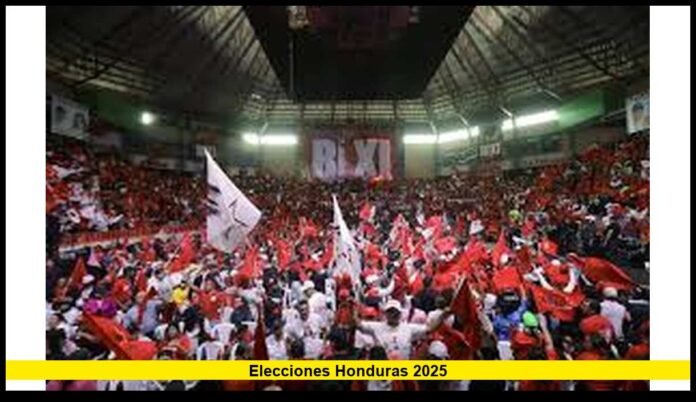

Honduras entered one of the most tense and decisive political moments in its modern history as citizens voted in the elecciones honduras 2025, a national contest that drew intense domestic interest and significant global attention. The presidential vote, the congressional races, and the selection of local leaders unfolded against a backdrop of public frustration, security concerns, and high expectations for the future direction of the country.
A Pivotal Moment for a Divided Nation
The 2025 election cycle was shaped by years of public debate over security, economic hardship, corruption, migration, and the role of international influence in Honduran politics. Voters across urban centers, rural regions, coastal zones, and mountain communities described the moment as critical for their personal safety, job prospects, and national identity.
Three figures emerged as leading contenders for the presidency:
- Rixi Moncada, representing the governing LIBRE party.
- Nasry “Tito” Asfura, running with the National Party.
- Salvador Nasralla, the well-known public figure aligned with the Liberal Party.
They offered sharply different visions of Honduras’ next chapter. Moncada’s message centered on consolidating political changes launched under the current administration. Asfura emphasized stability and business confidence. Nasralla promised a reset aimed at combating corruption while rebuilding institutions.
Voters faced not only a choice among personalities, but a choice about which direction Honduras should pursue as it confronts rising costs of living, persistent violence, and the pressure of outward migration.
A Charged Atmosphere Intensified by International Attention
In the days leading up to the vote, comments from former U.S. President Donald Trump sent shockwaves through political circles. His public support for Nasry Asfura and remarks involving former Honduran President Juan Orlando Hernández were widely discussed throughout the country.
The remarks became a major talking point not just among political strategists but among everyday voters at polling places and on social media. Many described the situation as unusual, questioning the timing and the potential impact on Honduran sovereignty. Others viewed the statements as a reflection of longstanding connections between U.S. political figures and the region.
Regardless of individual reactions, the episode added a new layer of tension during the final days of campaigning and underscored how closely international actors were watching the electoral process.
Election Day: Calm Determination Mixed with Tight Security
As polls opened on November 30, thousands of Hondurans arrived early, determined to cast their ballots despite concerns about long lines, potential technical problems, and the heavy presence of security forces. The government deployed police and military personnel across much of the country, describing the move as necessary to guarantee a safe and orderly process.
Observers noted that the security environment varied greatly by region.
- In major cities like Tegucigalpa and San Pedro Sula, security checkpoints were highly visible.
- In rural areas, authorities took a more dispersed approach, focusing on preventing disruptions in remote communities.
Voters reported mixed reactions. Some felt reassured by the strong security presence, while others feared it might deter participation or create tension. Despite worries, most polling stations operated steadily throughout the day, with turnout strong in both urban and rural communities.
Technical delays occurred in several locations, including slow ballot verification and temporary system malfunctions. Even so, many voters remained patient, determined to participate in a process they viewed as essential to the country’s future.
Conflicting Early Claims and the Wait for Official Results
As the evening progressed, several political parties released internal tallies and projections. These early claims varied widely, creating confusion among supporters and fueling intense online debates.
Honduras’ electoral authority reminded the public that only official results would determine the winners. With close races expected in key regions, the nation settled into a tense waiting period.
Party leaders prepared their supporters for delays and urged calm, but the atmosphere remained charged as citizens monitored every update with anticipation.
Questions About Electoral Integrity
Throughout the campaign and into election night, allegations of irregularities captured significant attention. Publicly circulated audio recordings and reports of possible attempts to manipulate internal tallies raised concerns among opposition groups and civil society organizations.
The allegations were discussed widely in community gatherings, workplaces, and public squares. Many citizens expressed frustration with what they saw as a long-standing issue: distrust in electoral institutions.
The electoral authority reiterated its commitment to transparency and stated that all complaints would be reviewed through established legal procedures. International observers, present throughout the country, encouraged Honduran institutions to maintain openness as results moved toward certification.
Security Conditions and the State of Exception
The government maintained an enhanced security posture leading into the elections, including the extension of certain state-of-exception measures. These measures applied particularly to areas with higher crime rates and regions where authorities expected potential disruptions.
Officials insisted the additional security was necessary to protect voters, election workers, and infrastructure. Critics argued that it risked intimidating communities already wary of state power.
Across the country, the experience varied:
- Some communities reported calm, orderly voting environments.
- Others noted the presence of heavily armed personnel near entrances, which prompted concern among residents.
Despite the contrasting accounts, most polling stations managed to operate without major incidents, a point that many voters highlighted as a sign of civic resilience.
Why the International Community Was Watching Closely
The Honduras election drew significant international attention for several reasons that resonate strongly with U.S. readers.
Migration Policy
Honduras is a major country of origin for migrants heading toward the United States. The incoming administration’s approach to economic development, security, and employment will directly influence migration patterns.
Security Cooperation
Honduras remains a key partner in regional anti-narcotics efforts. Stability—or instability—following the election will affect broader regional security.
Economic Partnerships
Trade and business connections between Honduras and the United States continue to grow. Investors monitored the election closely, looking for signals about future economic policy and regulatory environments.
Diplomatic Alignment
Shifts in diplomatic alliances, including relations with major global powers, have taken on increasing significance. Observers watched the election closely to understand whether Honduras would maintain, deepen, or revise its existing foreign policy positions.
The Counting Process and the Long Road to Certification
Once the polls closed, the focus turned to the meticulous process of counting ballots. Honduras has a detailed procedure for verifying votes, responding to disputes, and addressing irregularities. Officials noted that certification could take several days or longer, depending on the number of challenges and the closeness of certain races.
Political parties mobilized legal teams in anticipation of contested results. Several regions were identified as potential hotspots where tally verification might face greater scrutiny.
For the public, the wait tested patience. Many citizens expressed the desire for a transparent process and a clear outcome, but significant portions of the electorate also signaled they were bracing for potential challenges, especially in tight races.
What Voters Said Across the Country
Voters’ perspectives reflected the deep diversity of Honduras—cultural, economic, and regional.
- Some emphasized security as their top priority, citing rising violence in neighborhoods and concerns about gang activity.
- Others prioritized job creation, saying they hoped a new administration would bring stability and opportunity.
- Many younger voters highlighted the importance of institutional reform and anti-corruption efforts.
Across the country, conversations consistently returned to the idea of change—whether that change meant continuity through the LIBRE party, a return to the National Party, or a new path under the Liberal Party’s leadership.
Notably, the elecciones honduras 2025 also brought out many first-time voters who expressed determination to influence the nation’s future.
What the Next Government Will Face
No matter who takes office, the challenges ahead are substantial. The incoming administration will need to confront:
Public Security
High crime rates continue to affect daily life. Effective strategies will require coordination between the government, communities, and international partners.
Economic Pressure
Inflation, unemployment, and limited economic mobility remain major concerns for Honduran families. Economic recovery programs and investment policies will be central to the new government’s agenda.
Corruption and Governance
Strengthening public institutions, enhancing transparency, and restoring public trust in political processes will be essential for long-term stability.
Migration and International Relations
The administration’s approach to migration will influence relationships with the United States and regional partners. Strong diplomatic engagement will be necessary to navigate these complex dynamics.
Looking Toward the Future
The 2025 election marks a turning point in Honduras’ political trajectory. The path forward hinges on open communication between institutions and citizens, respect for the legal process, and a commitment to transparent governance. As the nation awaits final certification, Hondurans continue to express hope that this moment will lead to meaningful progress, regardless of political affiliation.