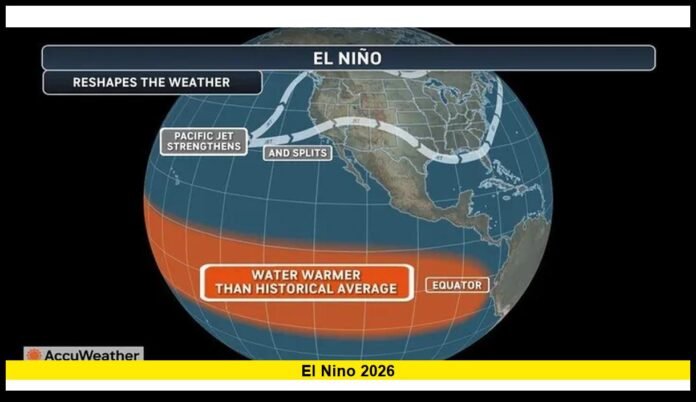

The possibility of El Niño conditions during 2026 continues to attract attention from weather experts, governments, farmers, and businesses worldwide. Because this climate phenomenon can influence temperatures, rainfall, droughts, and storm activity across multiple continents, its development is closely monitored throughout the year.
Whether conditions strengthen into a full El Niño event or remain neutral, the pattern has the potential to affect daily weather and long-term seasonal forecasts across many regions.
Key Points Summary
╔════════════════════════════════════════════════════════════════════╗
║ – El Niño is one of the world’s most influential climate patterns. ║
║ – The phenomenon develops when Pacific Ocean waters become warmer than normal. ║
║ – El Niño can influence rainfall, temperatures, droughts, and storm activity globally. ║
║ – Farmers, businesses, and governments monitor El Niño forecasts closely. ║
║ – Weather impacts can vary significantly from region to region. ║
╚════════════════════════════════════════════════════════════════════╝
Understanding El Niño
El Niño is a naturally occurring climate cycle that originates in the tropical Pacific Ocean. It occurs when sea surface temperatures become unusually warm over a large area of the central and eastern Pacific.
These warmer waters can alter atmospheric circulation patterns, causing weather changes thousands of miles away from where the warming begins. As a result, regions around the globe may experience unusual rainfall, prolonged dry periods, stronger storms, or shifts in seasonal temperatures.
Why El Niño 2026 Matters
Climate events such as El Niño can have far-reaching effects on economies, agriculture, transportation, energy usage, and water supplies. Even moderate El Niño conditions can influence seasonal weather forecasts and affect planning decisions for industries that rely heavily on weather patterns.
As 2026 progresses, meteorologists continue tracking ocean temperatures and atmospheric conditions to determine how climate patterns may evolve during the remainder of the year.
Potential Weather Effects of El Niño 2026
Higher Temperatures
One of the most common characteristics associated with El Niño is warmer-than-average temperatures across many parts of the world.
Regions that already experience hot summers may see prolonged heat periods, while some locations could record above-normal annual temperature averages.
Changing Rainfall Patterns
El Niño often redistributes rainfall across different continents.
Possible impacts include:
- Wetter conditions in some regions.
- Reduced rainfall in others.
- Increased flood risks in vulnerable areas.
- Longer dry spells and drought concerns in certain locations.
The exact outcome depends on local geography and the strength of the climate pattern.
Storm and Hurricane Impacts
El Niño can influence tropical cyclone activity in various ocean basins.
While some regions may experience fewer storms, others could face heightened risks due to changes in atmospheric conditions. Storm tracks can also shift, bringing weather impacts to areas that are not typically affected.
How El Niño Affects Agriculture
Agriculture is often among the sectors most impacted by El Niño.
Farmers may experience:
- Changes in growing seasons.
- Increased irrigation demands.
- Crop stress from heat or drought.
- Excessive rainfall affecting harvests.
- Variations in crop productivity.
Because food production depends heavily on stable weather conditions, agricultural planners closely monitor climate forecasts throughout the year.
Regional Outlook
North America
Weather impacts can vary significantly across the continent. Some areas may experience wetter conditions, while others could see warmer and drier weather than normal.
South America
Several countries may experience noticeable rainfall changes, affecting agriculture, water resources, and infrastructure.
Australia
Australia often faces elevated drought concerns during stronger El Niño periods, particularly in regions that depend on seasonal rainfall.
Asia
Parts of Asia can experience shifts in rainfall distribution, potentially affecting farming, water reservoirs, and energy production.
Africa
Some African regions may encounter significant changes in seasonal precipitation, creating both opportunities and challenges for local communities.
Economic Effects of El Niño
The influence of El Niño extends beyond weather forecasts.
Potential economic impacts include:
- Agricultural market fluctuations.
- Increased energy consumption.
- Water management challenges.
- Transportation disruptions.
- Higher disaster preparedness costs.
Because of these factors, governments and businesses often integrate climate outlooks into their planning strategies.
Environmental Consequences
El Niño can affect ecosystems on land and in the ocean.
Potential environmental impacts include:
- Coral reef stress from warmer waters.
- Changes in marine life distribution.
- Increased wildfire risks in dry regions.
- Flood-related ecosystem disruptions.
- Altered migration patterns for some wildlife species.
Environmental agencies frequently monitor these effects throughout El Niño cycles.
What to Watch During the Rest of 2026
Several indicators will help determine how weather patterns develop during the remainder of the year:
- Pacific Ocean temperature trends.
- Atmospheric circulation changes.
- Seasonal rainfall forecasts.
- Drought monitoring reports.
- Updated climate outlooks.
As these indicators evolve, forecasts may be adjusted to reflect the latest conditions.
Preparing for Possible El Niño Impacts
Individuals and communities can take proactive steps by:
- Monitoring local weather forecasts.
- Conserving water resources where appropriate.
- Preparing for extreme weather events.
- Staying informed about seasonal climate updates.
- Reviewing emergency preparedness plans.
Early preparation can help reduce disruptions caused by unusual weather patterns.
FAQs
Q: What is El Niño?
A: El Niño is a climate pattern characterized by warmer-than-average ocean temperatures in the tropical Pacific Ocean.
Q: How often does El Niño occur?
A: It generally develops every few years, although the timing and strength vary.
Q: Can El Niño increase global temperatures?
A: Yes. El Niño often contributes to warmer global average temperatures during its active phase.
Q: Does El Niño affect rainfall?
A: Yes. It can significantly alter rainfall patterns around the world, causing wetter or drier conditions depending on the region.
Q: How does El Niño impact agriculture?
A: It can affect crop yields, irrigation needs, planting schedules, and overall agricultural productivity.
Q: Is El Niño dangerous?
A: El Niño itself is a natural climate pattern, but the weather extremes associated with it can create challenges for communities and infrastructure.
Conclusion
El Niño 2026 remains one of the most important climate developments being monitored this year. Its potential influence on temperatures, rainfall, storms, agriculture, and economic activity makes it a key factor in seasonal forecasting around the world. As weather patterns continue to evolve, staying informed will help communities and businesses prepare for whatever conditions may emerge in the months ahead.
What do you think El Niño 2026 will bring to your region? Share your thoughts and stay connected for the latest weather and climate updates.