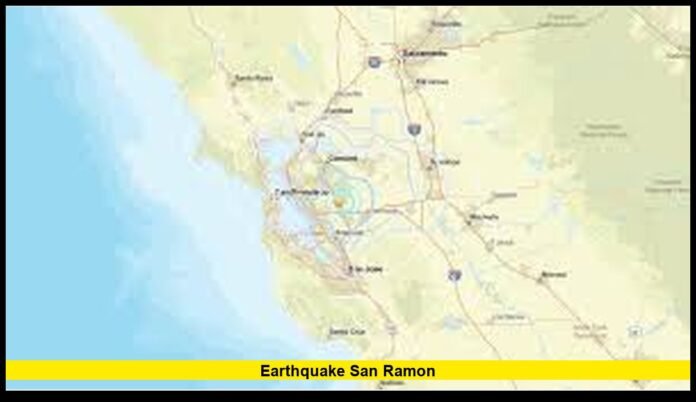

An early-morning jolt shook parts of the East Bay after an earthquake san ramon event was recorded just southeast of the city before dawn. The quake registered around magnitude 3.0 and briefly startled residents who were beginning their Monday routines. Though the shaking was light and caused no damage, it heightened public attention on seismic readiness at a time when Northern California communities continue to refine their resilience strategies.
A Clear but Mild Jolt Felt Across the Area
The quake struck at approximately 5:21 a.m. Pacific Standard Time. It was shallow, centered only a few kilometers beneath the surface, which allowed the motion to travel quickly through nearby neighborhoods. Residents reported a momentary jolt that felt like a quick thud or the sensation of a heavy object being dropped somewhere nearby.
In many homes, dishes rattled, wall hangings shifted slightly, and pets reacted before some people even realized what had happened. While the shaking was not strong enough to cause structural issues, the sudden movement created a brief moment of alarm for those awake during the event.
Early reports described the motion as lasting only a second or two, yet clear enough to signal that it was a genuine earthquake rather than everyday vibrations such as a passing truck or a gust of wind. For many in San Ramon and nearby communities, the tremor served as a reminder that the region’s fault systems remain active.
A Region Built on Faults
San Ramon sits within a complex web of seismic structures that run throughout the East Bay. The area has a long history of small quakes that occur on and around branches of the Calaveras Fault system. These minor events usually release limited energy and go unnoticed, but every so often they send a brief shudder through the region.
Over the years, residents have become accustomed to periodic tremors. The East Bay’s proximity to major fault lines means that even small events can be felt widely, especially when they strike at shallow depths. While most local quakes fall below magnitudes that cause damage, their frequency keeps attention on the importance of readiness.
This particular quake followed a series of small tremors reported over recent weeks, part of a pattern typical for the region. Experts frequently note that clusters of light earthquakes are common in fault zones and represent the natural movement of underground plates. However, even routine shifts highlight the value of maintaining personal and community preparedness.
Residents React With Mixed Concern and Curiosity
Within minutes of the morning jolt, East Bay residents began discussing the tremor. Early risers compared their experiences online, with many describing the sensation as a “sharp bump” or a “quick thump.” Some did not feel the motion at all, while others felt their beds or chairs shift just enough to grab their attention.
Parents reported that younger children slept through the shaking, while light sleepers felt the quake instantly. Pet owners often mentioned that dogs or cats reacted before the shaking reached its peak, a familiar behavior for animals sensitive to sudden environmental changes.
Despite the surprise, most comments were calm. Many residents noted that the quake served as a useful reminder to review emergency plans or check whether heavy objects in their homes were properly secured. In a region where earthquakes are part of life, even minor events can prompt constructive conversations.
No Damage or Injuries Reported
Officials confirmed that the quake caused no structural damage or injuries. Emergency services did not receive calls related to the morning event, and there were no disruptions to electrical systems, water service, or transportation.
Because the magnitude was moderate and the shaking brief, the tremor did not produce the type of intense motion that can threaten buildings or infrastructure. Still, local authorities encourage residents to treat every earthquake as an opportunity to assess their surroundings and make sure their homes are secure.
In the hours following the quake, the community continued normal daily activities. Schools opened as scheduled, businesses operated without interruption, and traffic flowed normally throughout the region. The event quickly transitioned from breaking news to a moment of reflection on preparedness.
A Deeper Look at What Magnitude Means
Magnitude 3.0 earthquakes fall into a category typically described as “minor,” meaning they are strong enough to be felt but unlikely to cause damage. However, the experience can vary widely depending on how close someone is to the epicenter and whether the quake is deep or shallow.
Shallow earthquakes, such as this one, tend to send sharper, more noticeable waves to the surface. That is why some residents felt a surprising jolt even though the magnitude remained modest.
Magnitude readings are often adjusted slightly as scientists review data, especially in the early moments after a quake has occurred. Initial measurements are usually automated and rely on multiple stations feeding information simultaneously. When seismologists refine these numbers manually, the final magnitude may shift slightly. The final reading for this event remained around 3.0, consistent with typical small quakes in the region.
Impact on the East Bay’s Ongoing Preparedness Efforts
While this morning quake caused no damage, it reinforces ongoing community conversations about readiness. Many East Bay residents already keep emergency kits, update family communication plans, or secure heavy furniture to reduce hazards. Still, even well-prepared households often revisit those steps after feeling shaking.
Local preparedness groups encourage residents to check emergency supplies at least once a year. This includes flashlights, batteries, food, water, basic first-aid materials, and essential documents. A minor tremor like this one can act as a helpful prompt for residents to restock items or update outdated materials.
Schools and workplaces in the region also conduct regular earthquake drills. These drills ensure that students and employees know how to respond immediately during shaking. Practicing “Drop, Cover, and Hold On” remains one of the most effective steps people can take when an earthquake begins.
Why Residents Should Still Pay Attention to Small Quakes
Even minor earthquakes carry valuable lessons. They reveal how well buildings respond to shaking, highlight whether personal items are secure, and encourage families to discuss safety. When a quake happens during early morning hours, as this one did, it also tests how quickly people recognize and respond to unexpected motion.
Small earthquakes can also inspire residents to learn more about local fault lines, building codes, and the natural processes that shape the region. Understanding these topics can reduce anxiety by replacing uncertainty with accurate information.
Though light quakes do not predict future events, they reflect the ongoing movement of the Earth’s crust. Awareness helps communities remain ready without becoming alarmed.
How to Prepare for Future Shaking
Experts frequently recommend several practical steps for households in seismic regions:
1. Secure heavy furniture and décor.
Anchoring tall bookshelves, dressers, and large mirrors can significantly reduce the risk of injury during shaking.
2. Keep essential supplies easily accessible.
Emergency kits should be stored in areas that are safe, dry, and reachable even if the power goes out.
3. Know how to shut off gas if needed.
While not always necessary, understanding how to turn off utilities can prevent hazards after stronger quakes.
4. Practice response techniques.
“Drop, Cover, and Hold On” is the recommended method for immediate safety. Practicing it helps make the response automatic.
5. Review insurance coverage.
Earthquake insurance varies by region, and understanding policy details ensures residents are aware of their options.
6. Develop a family communication plan.
During emergencies, cell networks may become congested. Having established meeting points and communication strategies helps reduce confusion.
These simple steps empower residents and reduce risks long before a significant earthquake occurs.
Light Shaking Reinforces Community Awareness
The early-morning tremor reminded the East Bay of the importance of staying vigilant. Though it was a mild event, it awakened conversations about resilience, safety, and preparation—topics that carry weight in a region defined by natural seismic activity.
For many residents, the moment was brief but meaningful. The shaking lasted only seconds, yet it brought awareness that can benefit households long after the vibrations faded. This balance between calm and readiness reflects the spirit of communities living near active faults: alert, informed, and committed to safety.
The earthquake san ramon event may not have left physical marks, but it strengthened the mindset that preparedness is most effective when it becomes part of everyday life. As the East Bay continues to grow, these reminders help ensure that residents remain informed and resilient, no matter the size of the next tremor.