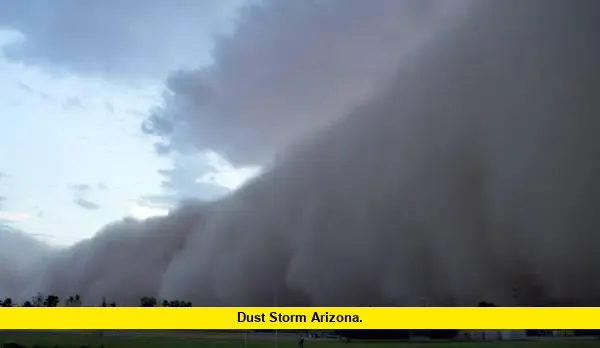

A dust storm Arizona swept across metro Phoenix late Monday, August 25, creating a massive wall of dust that caused widespread disruption and left thousands struggling to recover from its impact.
Residents across the Valley experienced high winds, reduced visibility, and unexpected outages as the storm rolled through during the evening rush hour. Known locally as a haboob, the storm delivered a powerful reminder of how quickly desert weather can turn dangerous.
What You Need to Know
Key Points Summary
✨ Around 39,000 customers in Maricopa County lost power.
✨ Phoenix Sky Harbor International Airport faced a temporary ground stop.
✨ Gusts reached over 65 mph, downing trees and power lines.
✨ Visibility dropped to near zero in several areas.
✨ Traffic signals were knocked out in multiple cities, including Gilbert.
✨ Safety officials reminded drivers: “Pull aside, stay alive.”
Dangerous Rush-Hour Conditions
The storm’s timing made conditions even more hazardous, striking just as thousands of commuters were heading home. Winds blasted across highways and surface streets, bringing visibility to near zero in many areas. Authorities strongly urged motorists to avoid travel during the storm.
Those caught on the road were advised to pull safely to the side, turn off headlights and brake lights, and remain inside their vehicles until visibility improved. These simple but vital steps helped prevent collisions in the blinding dust.
Impact on Flights and Infrastructure
Phoenix Sky Harbor International Airport was forced to halt operations as the storm intensified. A ground stop was put in place, delaying several incoming and outgoing flights. Even after service resumed, many travelers faced extended wait times due to debris cleanup and safety checks.
Infrastructure across the Valley also took a hit. In Gilbert, several traffic signals went dark, creating hazardous intersections. Crews were dispatched to restore service as quickly as possible, but many residents reported confusion and congestion on major roadways. Meanwhile, reports of toppled trees and downed power lines came in from across Chandler, Tempe, and Phoenix neighborhoods.
Power Outages and Community Impact
The storm left roughly 39,000 customers without power at its peak. Utility companies worked through the night to restore service, prioritizing hospitals, nursing homes, and critical infrastructure.
For many residents, the outages lasted several hours, leaving homes without air conditioning during the hot desert evening. Families sought relief at community cooling centers while crews cleared debris and repaired damaged equipment.
Weather Context and Forecast
Dust storms in Arizona are a signature feature of the monsoon season, typically forming when strong outflow winds from thunderstorms lift desert dust high into the air. Monday’s storm was fueled by intense thunderstorm activity southeast of the Valley, which produced powerful gusts that carried the dust wall into Phoenix.
Despite a drier-than-average summer overall, scattered rainfall earlier in the day contributed to strong downdrafts that made conditions ripe for a haboob. Meteorologists expect the monsoon pattern to linger into Tuesday, with a 40% chance of additional rain and isolated thunderstorms in the Phoenix metro area. Cooler temperatures are forecast to follow, providing a brief respite from the intense heat.
Safety Reminders for Future Storms
Officials used the storm as an opportunity to reinforce safety guidance for future events. Key reminders include:
- Avoid driving directly into a dust storm.
- If caught in one, pull off the road, turn off lights, and keep your foot off the brake pedal.
- Stay indoors until winds and dust subside.
- Be mindful of the risk of flash flooding that often follows strong monsoon storms.
These practices continue to save lives every monsoon season, especially when storms strike suddenly during peak travel hours.
Looking Ahead
By late Monday night, skies cleared over Phoenix, though cleanup efforts were only beginning. Power crews, airport staff, and emergency responders worked into the early hours of Tuesday to restore normalcy. With more monsoon activity possible this week, residents are being urged to stay prepared and keep safety top of mind.
The latest storm serves as a striking reminder of the desert’s extremes: calm skies can transform into hazardous conditions in minutes. Staying weather-aware and ready to respond remains essential for everyone living in Arizona’s monsoon corridor.
So as the Valley recovers from this dramatic dust storm, one truth stands out—nature’s power in Arizona is as breathtaking as it is unpredictable. Share your experience or thoughts about the storm below, and help keep the conversation going.