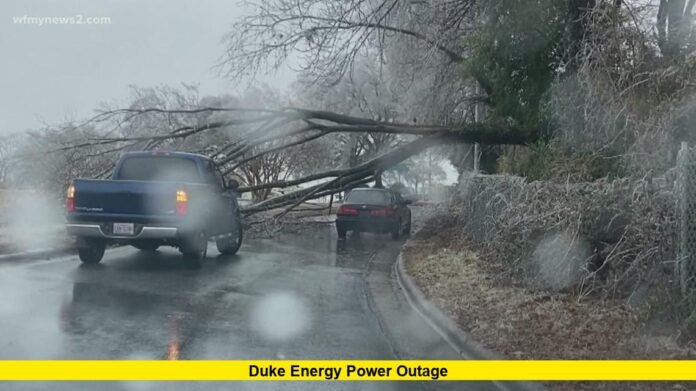

A fast-moving winter storm has triggered a duke energy power outage across large parts of the Southeast, disrupting daily life for thousands of households and businesses as heavy ice, freezing rain, and strong winds strain the regional power grid. Utility crews remain in full response mode as conditions continue to challenge restoration efforts in several states, particularly North Carolina and South Carolina.
The storm system, driven by prolonged sub-freezing temperatures and significant ice accumulation, has created one of the most difficult winter operating environments for electric utilities in recent years. Downed trees, snapped branches, and ice-weighted power lines are the primary causes of service interruptions, with rural and heavily wooded areas experiencing the longest restoration times.
Current Outage Situation
As of today, confirmed outage data shows thousands of Duke Energy customers without electricity across multiple counties. The highest concentrations of outages are located in western and central North Carolina, including mountain communities and fast-growing urban corridors. Portions of South Carolina and scattered service territories in the Southeast are also reporting localized service losses.
Most outages are tied to:
- Ice-laden tree limbs falling onto distribution lines
- Poles damaged by wind and freezing rain
- Equipment failures caused by prolonged exposure to extreme cold
- Access challenges in remote or mountainous terrain
While some neighborhoods have seen power restored within hours, others are facing longer delays due to extensive infrastructure damage and hazardous road conditions that limit crew access.
Why Ice Storms Cause the Most Severe Power Failures
Unlike snow, ice adds significant weight to overhead power lines and vegetation. Even a thin layer of ice can multiply the load on cables and tree branches, causing:
- Sagging or snapping of conductors
- Collapse of utility poles
- Chain-reaction outages across interconnected circuits
Once lines are down, restoration becomes complex. Crews must first clear debris, ensure public safety, replace damaged hardware, and then re-energize the system section by section. In ice events, this process often takes longer than during hurricanes or summer thunderstorms.
Duke Energy’s Emergency Response
In anticipation of the storm and its aftermath, Duke Energy activated its emergency operations plan. Thousands of lineworkers, damage assessors, vegetation crews, and support staff have been staged across the region.
Response measures include:
- Pre-positioning repair crews in high-risk counties
- Deploying additional bucket trucks and heavy equipment
- Bringing in mutual-assistance teams from neighboring states
- Operating 24-hour restoration shifts
- Coordinating with state and local emergency management agencies
The company’s priority sequence for restoration follows a standard safety-first approach:
- Critical facilities such as hospitals, water systems, and emergency services
- Major transmission lines and substations
- Large groups of customers
- Individual neighborhoods and single-customer outages
Communities Facing the Longest Restoration Times
Mountain regions and heavily forested suburbs are experiencing the most severe infrastructure damage. Ice accumulation has caused entire spans of lines to collapse in some areas, requiring full pole and conductor replacement.
Urban centers, while better protected by underground infrastructure, are still seeing outages caused by:
- Substation equipment affected by extreme cold
- Distribution circuits damaged by falling trees
- Traffic accidents involving utility poles on icy roads
Restoration timelines vary widely depending on weather conditions, accessibility, and the extent of physical damage.
Safety Concerns During Power Outages
Extended winter outages pose serious risks, especially for:
- Elderly residents
- People relying on electrically powered medical equipment
- Homes using electric heating systems
- Families in rural locations with limited access to warming centers
Authorities continue to warn residents to:
- Stay away from downed power lines
- Use generators only outdoors and away from windows
- Avoid using grills or open flames indoors
- Check on neighbors who may need assistance
- Keep mobile devices charged when possible
Carbon monoxide exposure, hypothermia, and fire hazards are among the most common dangers during prolonged cold-weather outages.
Economic and Daily Life Impact
The duke energy power outage is affecting far more than residential comfort. Businesses across the region are experiencing:
- Forced closures due to loss of heat and lighting
- Spoiled inventory in grocery and food service locations
- Disrupted manufacturing operations
- School delays and cancellations
- Communication and internet interruptions
Small businesses in particular face financial strain when outages extend beyond a single day, especially during peak winter demand periods.
Infrastructure Resilience and Ongoing Grid Improvements
The current event highlights ongoing challenges in maintaining reliability across a vast, weather-exposed service territory. Duke Energy has invested heavily in:
- Pole reinforcement programs
- Tree-trimming and vegetation management
- Smart grid technology for faster outage detection
- Substation hardening against extreme weather
However, ice storms remain one of the most difficult hazards to fully mitigate due to the combined impact on both electrical equipment and surrounding vegetation.
What Customers Can Expect Next
As temperatures gradually rise and precipitation transitions from ice to rain, restoration efforts are expected to accelerate. However, in areas with severe structural damage, repairs may continue over multiple days.
Customers can expect:
- Rolling restorations as circuits are repaired
- Temporary service interruptions during switching operations
- Ongoing crew presence in affected neighborhoods
- Gradual reduction in outage numbers as main lines are restored
Weather conditions will remain the single biggest factor influencing restoration speed.
Preparing for Future Winter Outages
This storm serves as a reminder that winter weather can be just as disruptive as hurricanes or summer storms. Households are encouraged to maintain:
- Emergency food and water supplies
- Battery-powered lighting and radios
- Portable phone chargers
- Warm blankets and winter clothing
- A basic outage plan for family communication and heating alternatives
Being prepared reduces risk and stress when extended outages occur.
Stay connected and share your experience as restoration continues across the region. Your updates help others stay informed.