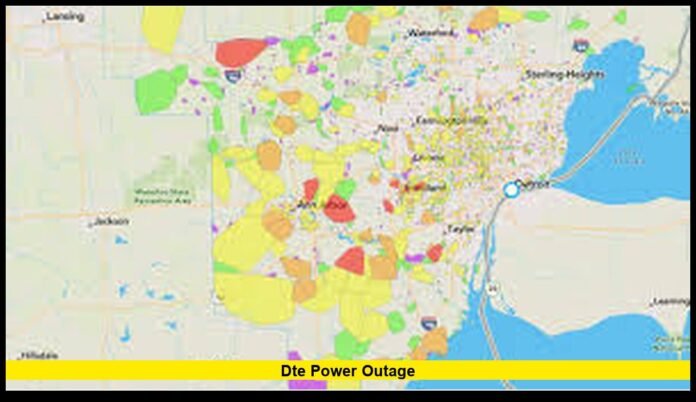

DTE power outage concerns remain a major issue across Michigan as strong storms, damaging winds, and severe weather continue causing service interruptions for thousands of residents. Utility crews across Southeast Michigan are working to restore electricity while customers closely monitor outage maps, repair timelines, and weather alerts.
Michigan has dealt with repeated rounds of severe weather during the spring season. Heavy rain, lightning, and wind gusts reaching dangerous levels have damaged electrical infrastructure in several counties. In many neighborhoods, falling tree branches and broken utility poles created widespread outages that lasted for hours and, in some areas, longer than a full day.
DTE Energy crews have remained active across affected regions as restoration operations continue. Emergency officials have also urged residents to stay alert because additional storms may create new outages during periods of unstable weather.
Severe Weather Continues to Pressure Michigan’s Power Grid
Power outages linked to storms are not unusual in Michigan, but recent weather systems have placed extraordinary pressure on electrical infrastructure throughout the state.
Strong wind events have become one of the leading causes of service interruptions. Gusts powerful enough to snap tree limbs and damage overhead utility lines have repeatedly moved across Southeast Michigan communities. When combined with saturated ground from heavy rain, large trees become more likely to fall onto electrical equipment.
Many of the recent outages happened during overnight storm systems. Residents woke up to dark homes, inactive traffic signals, and damaged streets after severe thunderstorms passed through the area.
Meteorologists warned that several storm systems carried risks including:
- Damaging straight-line winds
- Large hail
- Dangerous lightning
- Flash flooding
- Isolated tornadoes
These conditions created difficult working environments for restoration crews while also increasing the risk of additional outages during repair efforts.
Thousands of Customers Affected Across Southeast Michigan
Several counties in Southeast Michigan experienced major outage totals during recent storms. Areas with older electrical infrastructure and dense tree coverage often saw larger concentrations of outages.
Communities impacted included:
| County | Common Outage Causes |
|---|---|
| Wayne County | Downed lines and wind damage |
| Oakland County | Fallen trees and transformer issues |
| Macomb County | Storm-related equipment damage |
| Washtenaw County | Heavy wind impacts |
| Genesee County | Lightning-related outages |
| Huron County | Widespread infrastructure damage |
Metro Detroit suburbs were among the hardest-hit locations because many neighborhoods rely heavily on overhead electrical systems exposed to wind and falling debris.
In some areas, customers experienced multiple outages within a short period as additional storms moved through the region before crews completed earlier repairs.
How DTE Energy Responds During Major Outages
When large outages occur, DTE Energy activates emergency response operations designed to restore service as quickly as possible. Utility companies follow structured restoration plans that prioritize critical infrastructure before residential neighborhoods.
Restoration usually begins with:
- Hospitals and emergency services
- Main transmission lines
- Large outage zones affecting thousands
- Neighborhood distribution lines
- Individual property repairs
Repair crews work around the clock during major outage events. Bucket trucks, tree removal teams, engineers, and line workers coordinate repairs across affected counties.
In severe cases, utilities also request assistance from out-of-state crews through mutual aid agreements. These partnerships help bring additional workers and specialized equipment into Michigan during widespread emergencies.
Storm damage inspections are one of the most important parts of the restoration process. Crews must first identify damaged poles, transformers, substations, and wires before repairs can begin safely.
DTE Outage Map Sees Heavy Traffic During Storms
The DTE outage map has become one of the most used online tools during severe weather events in Michigan. Customers frequently check the platform for updates on outage counts and estimated restoration times.
The outage map allows users to:
- Report service interruptions
- View outage locations
- Track restoration progress
- Receive estimated repair times
- Access emergency safety information
Mobile alerts and text notifications also help customers stay informed during fast-moving weather situations.
During major storm outbreaks, outage maps can show clusters of interruptions spreading across Southeast Michigan in real time. Residents often monitor the system throughout the night while waiting for power restoration updates.
Many households rely heavily on mobile devices during outages, especially when internet service and television access become unavailable.
Wind Damage Remains the Biggest Threat
High winds continue to be the most destructive factor behind Michigan power outages. Even without tornadoes, straight-line winds can create major electrical disruptions.
Wind gusts exceeding 60 mph can:
- Snap utility poles
- Tear down electrical wires
- Push trees into power lines
- Damage transformers
- Create flying debris hazards
Older trees pose a particularly serious threat during severe storms. Large branches can fall directly onto electrical infrastructure, causing extensive neighborhood outages.
DTE Energy has continued expanding tree trimming programs in an effort to reduce future storm damage. Vegetation management remains a key part of the company’s long-term reliability strategy.
Crews regularly inspect power corridors and remove hazardous branches located near transmission lines.
Residents Frustrated by Repeated Power Interruptions
Repeated outages have created growing frustration among Michigan residents, especially in communities experiencing multiple disruptions during the same storm season.
Many customers have voiced concerns involving:
- Long restoration times
- Spoiled food losses
- Communication delays
- Repeated neighborhood outages
- Aging infrastructure
Small business owners have also faced challenges during prolonged outages. Restaurants, grocery stores, and retail shops can lose thousands of dollars when refrigeration systems stop working or payment systems go offline.
Remote workers and students have also struggled with unreliable electricity during important work hours and online activities.
Public discussion surrounding Michigan’s electrical grid reliability has intensified as storm-related outages continue affecting large populations across the state.
Long-Term Infrastructure Improvements Underway
DTE Energy has announced several projects aimed at improving grid reliability and reducing outage frequency across Michigan.
The company’s modernization plans include:
Underground Power Line Projects
Some communities are receiving underground utility upgrades designed to reduce exposure to wind and tree damage.
Underground systems are generally more resistant to storms, although installation costs remain high.
Grid Automation Technology
Smart grid systems can automatically reroute electricity during certain outages. These systems may reduce the number of customers affected during isolated equipment failures.
Substation Upgrades
Modern substations improve energy flow and help utilities manage electricity demand more efficiently during extreme weather conditions.
Expanded Tree Maintenance
Tree trimming and vegetation control remain central parts of DTE’s reliability improvement plans.
Utility officials have stated that reducing contact between trees and power lines is one of the fastest ways to lower outage risks.
Read More – Georgia Power Outage Map
How Michigan Weather Patterns Are Changing
Weather experts continue monitoring stronger and more unpredictable storm systems across the Midwest.
Michigan has experienced:
- More frequent severe thunderstorms
- Stronger wind events
- Increased lightning activity
- Heavy rainfall episodes
- Winter ice storms
These weather conditions place increasing pressure on aging infrastructure throughout the region.
Spring and summer storms often generate the largest outage totals because warm air and moisture create powerful thunderstorm systems capable of producing destructive winds.
Winter weather can also create major problems for utilities. Ice accumulation on wires and trees increases the risk of equipment failure during snowstorms and freezing rain events.
Safety Remains a Major Concern During Outages
Emergency officials consistently warn residents to treat every downed wire as dangerous. Storm-damaged electrical equipment can remain energized even after nearby homes lose power.
Safety recommendations include:
Avoid Downed Power Lines
Residents should stay far away from damaged electrical wires and immediately report them to emergency officials or utility companies.
Use Generators Carefully
Portable generators should always remain outdoors and away from windows, doors, and garages to prevent carbon monoxide exposure.
Keep Emergency Supplies Ready
Preparedness kits should include:
- Flashlights
- Extra batteries
- Portable phone chargers
- Bottled water
- Nonperishable food
- Medication supplies
Protect Refrigerated Food
Residents should avoid opening refrigerators frequently during outages to preserve food safety longer.
Monitor Local Alerts
Weather updates and emergency notifications remain critical during severe storms.
Many counties across Michigan use emergency alert systems to notify residents about dangerous weather conditions and major infrastructure problems.
Challenges Restoration Crews Face During Storm Recovery
Repairing widespread storm damage is often far more complicated than many customers realize.
Line workers must deal with:
- Flooded streets
- Blocked roads
- Dangerous winds
- Ongoing lightning threats
- Fallen trees
- Damaged utility poles
In some situations, restoration crews cannot safely begin repairs until storms fully leave the area.
Electrical systems also operate as interconnected networks. A single damaged transmission line can affect thousands of customers across multiple communities.
Crews must carefully inspect infrastructure before re-energizing power lines to avoid creating additional hazards.
Utility workers often spend long hours in difficult weather conditions during emergency restoration periods.
How Customers Can Report a DTE Power Outage
Residents have several options for reporting outages and receiving updates.
Customers can use:
- The DTE outage map
- Mobile app notifications
- Automated phone systems
- Text message alerts
- Online customer service portals
Quick reporting helps utility companies identify outage clusters faster and prioritize repairs more effectively.
Many customers now rely on smartphone alerts that provide updates whenever restoration estimates change.
The company also encourages residents to report flickering lights or unusual electrical issues before major equipment failures occur.
Power Outages Impact Daily Life Across Michigan
Electricity disruptions affect nearly every part of daily life, especially during longer outages.
Residents often face problems involving:
- Heating and cooling systems
- Internet access
- Food storage
- Medical equipment
- Home security systems
- Traffic disruptions
Traffic lights frequently stop working during widespread outages, creating dangerous driving conditions at busy intersections.
Gas stations may also temporarily close when pumps lose power.
Hospitals and emergency services typically rely on backup generators during major grid disruptions, but prolonged outages can still place stress on essential services.
Schools occasionally cancel classes when severe weather damages local infrastructure or creates unsafe road conditions.
Storm Preparedness Becoming More Important for Michigan Families
As severe weather events continue affecting Michigan, many residents are taking additional steps to prepare for outages before storms arrive.
Common preparedness actions include:
| Preparedness Step | Purpose |
|---|---|
| Charging devices early | Maintain communication |
| Purchasing backup batteries | Keep essential electronics running |
| Storing bottled water | Emergency hydration |
| Fueling vehicles | Travel readiness |
| Buying generators | Temporary home power |
| Monitoring weather alerts | Faster response to emergencies |
Preparedness experts recommend keeping emergency kits updated throughout storm season.
Families with medical equipment that depends on electricity are encouraged to develop backup power plans in advance.
What Residents Should Expect During Future Storm Seasons
Weather experts expect Michigan to continue facing periods of severe thunderstorms and strong wind systems during warmer months.
Utility companies remain focused on reducing outage frequency, but large storms can still create widespread disruptions despite infrastructure improvements.
Communities with dense tree coverage and older overhead power systems may remain especially vulnerable during high-wind events.
DTE Energy crews continue working on long-term modernization projects while also responding to ongoing outages across the state.
Residents are encouraged to stay informed, prepare emergency supplies, and closely monitor weather alerts whenever severe conditions develop.
Have you experienced a recent DTE power outage? Share your experience and stay informed as Michigan continues navigating severe weather and power restoration efforts.