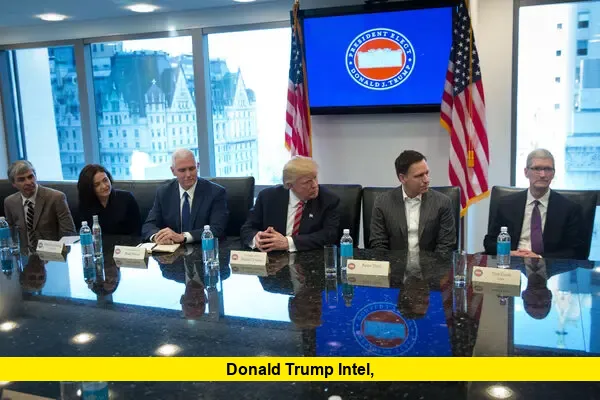

The latest buzz surrounding donald trump intel focuses on a reported plan for the Trump administration to acquire a stake in semiconductor giant Intel, alongside a surprising reversal in his stance toward the company’s CEO. These developments mark a rare intersection of politics and technology, highlighting the high stakes for U.S. semiconductor dominance.
In a move signaling potential government involvement, the administration is reportedly considering a stake in Intel, aiming to accelerate the completion of its long-delayed Ohio semiconductor plant. Valued in the tens of billions, this facility has faced repeated setbacks, and a government partnership could expedite production while ensuring national interests are protected. This shift reflects a broader push for U.S. leadership in advanced technology manufacturing and a clear emphasis on strategic industries.
Simultaneously, Trump made a dramatic turnaround on his recent criticism of Intel CEO Lip‑Bu Tan. After initially demanding Tan’s resignation over alleged foreign entanglements, Trump later praised Tan for his leadership and the company’s achievements. This sudden reversal suggests high-level negotiations behind the scenes, demonstrating the significant political attention Intel continues to attract.
Key Developments at a Glance
| Date | Event |
|---|---|
| Today | Trump administration considers a government stake in Intel’s delayed Ohio plant |
| Recent | Trump initially demanded Intel CEO resign, later reversed position after discussions |
Context and Implications
- Strategic U.S. Interests: The potential government stake underscores a strong focus on securing domestic production of critical technology. Semiconductor independence has become a national priority, making Intel a central figure in these efforts.
- Market Reaction: News of possible investment is likely to boost investor confidence in Intel, highlighting the financial and political significance of government involvement in key industries.
- Leadership Dynamics: Trump’s sudden shift regarding CEO Tan reflects the complexity of managing corporate leadership while navigating national security concerns and public perception. Intel’s management decisions now have far-reaching implications beyond the tech sector.
- National Security Lens: Concerns over foreign influence in critical technology sectors have propelled Intel into the spotlight. Any strategic involvement by the government represents both an economic and security initiative.
What’s Next
- Government Role in Private Industry
A potential stake in Intel may set a precedent for future public-private partnerships, particularly in sectors vital to national security. This could redefine the relationship between strategic companies and federal oversight. - Intel’s Internal Strategy
The company’s leadership may now navigate a delicate balance between operational goals and political considerations. Maintaining stability amid scrutiny will be key to continued success. - Global Tech Competition
With rising global competition in semiconductors, the U.S. government’s involvement could ensure Intel remains a leader in advanced chip production while reducing reliance on foreign suppliers.
The combination of Trump’s direct engagement with Intel and the government’s potential investment illustrates the growing overlap of technology, politics, and national strategy. As these storylines unfold, donald trump intel continues to dominate headlines, signaling that the actions taken today could shape the U.S. semiconductor landscape for years to come. What will happen next with Intel’s leadership and the administration’s role in the company remains an evolving story worth watching closely.