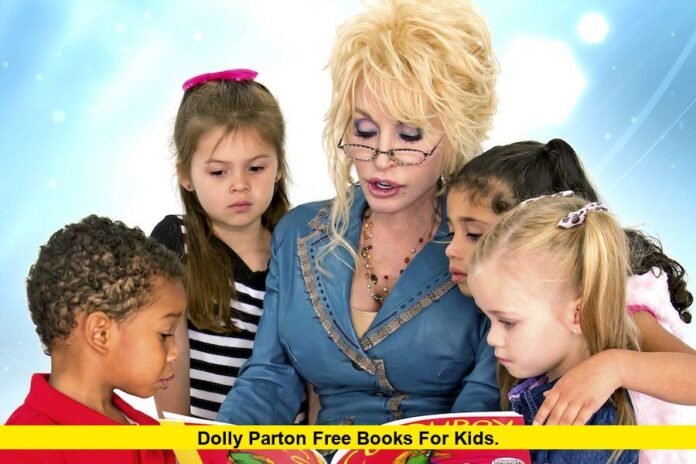

Dolly Parton free books for kids has become one of the most recognized and effective early-literacy programs in the United States, giving young children access to high-quality books during the most important developmental years. With millions of American families now enrolled and more states expanding the program each year, the initiative continues to create a powerful reading culture across homes nationwide. As of 2025, the program is delivering millions of books every month, marking one of its strongest periods of growth since its creation more than three decades ago.
This long-form breakdown explains how the program works, why it continues to grow, what families can expect when they enroll, and how communities are helping it reach more children than ever before.
A Program Built for Early Learning
The Imagination Library, founded by Dolly Parton, was designed with one priority: give every young child access to books at home. Families who enroll their child receive a new, age-appropriate book every month from birth until their fifth birthday. Over those years, a child can build a personal library of around 60 books without the family ever paying for a single title.
The simplicity of the model is one of its strengths. Parents do not need to place orders, visit a center, or meet eligibility requirements other than living in a participating community and having a child under five. Each book arrives by mail, addressed to the child. The consistency of the monthly deliveries helps families build reading habits naturally, which experts consider one of the strongest predictors of early academic success.
Steady National Growth Across 2024 and 2025
The program has seen major expansion throughout the past year. More counties, school districts, and statewide organizations have adopted the model to reach children who previously did not have access. Many states now include large portions of their birth-to-five population in the program, making early literacy a shared public priority.
Millions of American families now receive books each month. Enrollment continues to accelerate in rural communities, where parents often face barriers to libraries or early-childhood services. The mail-based approach gives families in remote areas the same opportunity as urban households, making the program truly national in reach.
This growth reflects widespread community support. Local partners—libraries, nonprofits, civic groups, and early-childhood programs—fund and administer the initiative in their regions. These partnerships have helped the program enter counties that previously lacked early reading resources.
How Families Sign Up
The registration process is intentionally simple so that families can join without confusion or long wait times. Parents can look up their ZIP code in the program’s enrollment system to confirm whether their community participates. If their area is included, they can complete a brief digital form with their child’s name, birth date, and home address.
Once a child is enrolled, the first book typically arrives within a few weeks to a couple of months—timelines vary by region. After that, a new book is mailed every month until the child’s fifth birthday. Children who stay enrolled the entire time often receive a full set of age-appropriate titles that grow with them year after year.
For families in areas without coverage, many communities are working to bring the program to new ZIP codes. Parents often take the first step by sharing interest with local schools, early-childhood groups, or community organizations capable of partnering with the program.
A Carefully Curated Book List
The titles included in the program are selected through a review process led by early-childhood experts. Books are chosen to support brain development, literacy readiness, emotional growth, and curiosity. Each age group receives books tailored to their stage of learning:
- Infants receive simple board books with sensory-friendly images and rhythms.
- One-year-olds receive books with repetition, animal sounds, and early vocabulary.
- Two- and three-year-olds receive stories introducing characters, counting, colors, and early storytelling patterns.
- Four-year-olds receive more complex narratives that support kindergarten readiness.
Many selections highlight diversity, family relationships, and social-emotional learning. The program also includes bilingual English-Spanish titles to support multilingual households and early exposure to both languages.
Two books are consistent year after year:
- The first book sent to every newborn is The Little Engine That Could, chosen for its message of confidence and perseverance.
- The final book, given during the child’s last month before turning five, celebrates the transition into kindergarten.
These symbolic choices reflect the program’s belief in building confidence at every stage.
Why the Program Matters for U.S. Families
Decades of educational research show that children who grow up surrounded by books and regular reading routines develop stronger literacy skills. They often enter kindergarten better prepared, with stronger language skills, broader vocabularies, and higher reading confidence.
Parents consistently say that monthly book deliveries motivate them to read more with their children. Many families describe the excitement their child feels when a new book arrives in the mailbox with their name on it—a small moment that turns reading into a joyful experience rather than a chore.
For families with limited access to bookstores or libraries, the impact is even greater. Monthly book deliveries ensure that every child, regardless of income or location, receives a collection of books large enough to support learning at home.
Support for Children Across All Backgrounds
One of the program’s core strengths is its universality. It does not require income verification or additional qualifications. Children from any background, any family structure, and any part of the country are eligible as long as their local community sponsors the program.
This universal approach helps communities avoid the stigma that sometimes comes with need-based programs. It also ensures that children in middle-income households who lack consistent access to early-childhood books benefit just as much as families facing economic hardship.
Furthermore, the program’s steady monthly schedule is especially helpful for parents with busy or unpredictable work routines. They do not need to sign up repeatedly, check out materials, or meet deadlines. The book simply arrives, giving families a regular opportunity to read together.
A Strong Model for Community Collaboration
Every participating region relies on local partners to fund and administer the program. These partners often include:
- Public libraries
- School districts
- Literacy nonprofits
- Community foundations
- Civic groups
- Early-childhood coalitions
This shared-responsibility structure keeps the program strong and sustainable. Communities choose to invest in their youngest learners, while the national team provides the infrastructure, book lists, printing, and mailing systems that make the program possible.
Because of these partnerships, coverage expands every year. New counties launch programs, donors support local sponsors, and more families gain access to monthly books. Many regions now treat the program as a centerpiece of early-childhood strategy.
Benefits That Continue Into School Years
Parents and educators often report long-term improvements in children who grow up receiving monthly books. Many children build stronger attention spans, better comprehension, and more confidence with words and stories. Teachers frequently notice that children who arrive with the habit of reading at home adjust more easily to classroom routines.
The books also help children develop social and emotional understanding. Many titles highlight empathy, problem-solving, family relationships, and navigating new experiences. This helps children build emotional vocabulary—something essential for early school success.
These benefits build year after year. By the time a child leaves the program, they often have a robust home library filled with stories they can revisit as they grow.
A Legacy of Literacy That Keeps Growing
The program’s success reflects a long-standing commitment to inspiring a love of reading. What started decades ago as a local effort has grown into one of the most admired literacy initiatives in the world. In the United States, the program plays a vital role in ensuring that children from birth to age five have the materials they need to learn and dream.
As more states adopt the model and more communities join, the number of children benefiting from the program will continue to rise. Families, educators, and community leaders increasingly view early reading as a foundation for lifelong learning—and this program remains at the center of that movement.
With millions of American children currently receiving books, and millions more eligible as new communities come online, the impact of this initiative continues to expand. Families nationwide now have the opportunity to build a strong literacy foundation from the very beginning of a child’s life.
If you’ve experienced this program in your own community or hope to see it arrive in your area, feel free to share your thoughts below and stay connected for future updates.