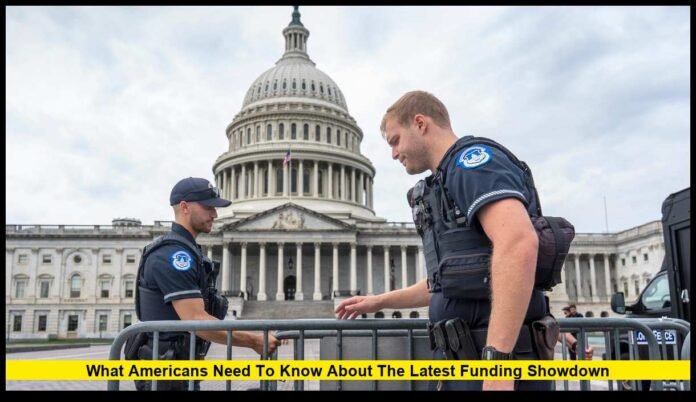

As September 2025 comes to a close, one pressing question has been echoing across households, workplaces, and headlines: did the government shut down? The uncertainty has left millions of Americans worried about paychecks, services, and the stability of the nation’s economy. Fortunately, the immediate crisis has been avoided—Congress approved a short-term measure to keep federal agencies open. But the road to this outcome was anything but smooth, and the challenges ahead remain daunting.
Why the Shutdown Question Keeps Coming Back
The U.S. government runs on an annual budget that must be passed by Congress and signed by the president. When lawmakers fail to agree on that budget—or at least a temporary funding plan—federal agencies run out of money. That’s when the dreaded phrase “government shutdown” becomes a reality.
In 2025, lawmakers found themselves locked in familiar disputes over spending priorities, once again raising the question: did the government shut down, or could leaders reach a deal in time?
Key sticking points included:
- Defense and security spending versus domestic program funding.
- Proposals to tighten immigration enforcement and increase border resources.
- Pressure to reduce the deficit by cutting social programs.
- Demands to protect funding for healthcare, housing, and education.
Each side dug in, leaving federal workers and families caught in the middle of a political tug-of-war.
What Would Have Happened if the Government Shut Down?
Understanding the stakes makes the “did the government shut down” question so urgent. If Congress had failed to act, the effects would have been widespread:
- Federal workers furloughed: Nearly 2 million civilian employees could have been sent home or asked to work without pay.
- National parks closed: Tourism-dependent towns would lose revenue as gates to parks and monuments shut.
- Processing delays: From passports to small business loans, paperwork would have slowed or stopped.
- Military and essential staff: Soldiers, TSA agents, and border patrol would still report for duty but without guaranteed paychecks.
- Economic drag: Every shutdown in modern history has cost billions in lost productivity and consumer confidence.
For everyday people, the answer to “did the government shut down” is more than a news headline—it’s about whether their mortgage gets paid on time, their vacation goes forward, or their paycheck arrives at all.
The Short-Term Fix That Prevented a Shutdown
As the deadline approached, lawmakers ultimately agreed to a continuing resolution, or CR. This temporary fix funds the government for a few more weeks while negotiations continue.
While the deal avoided the most immediate damage, it also means the question of whether the government will shut down has only been delayed, not resolved. Unless a full budget is passed, Americans could be asking the same thing again before the year is over.
Lessons From Past Shutdowns
The United States has experienced several shutdowns in recent decades, each with unique consequences:
- 2013 Shutdown (16 days) – Sparked by disputes over the Affordable Care Act, this shutdown closed national parks and furloughed 800,000 workers.
- 2018–2019 Shutdown (35 days) – The longest in history, centered on border wall funding. Federal workers went without pay during the holiday season, and airport security lines stretched for hours.
- 1995–1996 Shutdowns (27 days combined) – Triggered by budget battles between President Bill Clinton and House Speaker Newt Gingrich, these shutdowns reshaped public attitudes toward partisan standoffs.
By looking back, Americans understand just how disruptive the answer to “did the government shut down” can be when the outcome is yes.
Why 2025’s Funding Fight Was Different
This year’s standoff came with new dynamics:
- Heightened Political Tensions
The climate in Washington is more polarized than ever, with both parties digging deeper into ideological positions. - Presidential Influence
President Donald Trump directly pressured lawmakers, making it clear he wanted a spending package aligned with his administration’s agenda. His public demand that Microsoft fire Lisa Monaco, its President of Global Affairs, added fuel to political debates about national security and corporate influence. - Economic Fragility
With inflation concerns still weighing on families, the prospect of a shutdown risked amplifying financial stress. Even the fear of missed paychecks caused many workers to adjust their household budgets in preparation. - Public Frustration
Polls show that Americans are increasingly weary of repeated shutdown threats. Citizens expect stability, not last-minute brinkmanship.
How Federal Workers Prepared for the Possibility
While the government avoided a shutdown this time, thousands of federal workers had already been making preparations:
- Adjusting household budgets in case of delayed pay.
- Seeking community or union resources for emergency assistance.
- Holding off on large purchases or travel plans.
- Communicating with landlords and lenders about possible late payments.
These precautions reveal just how disruptive even the threat of a shutdown can be. Workers are left in limbo, unsure if they will be paid for their essential duties.
Impact on the Private Sector
The question “did the government shut down” isn’t limited to government workers. Private companies—especially those dependent on federal contracts—also feel the ripple effects. Contractors risk delayed payments, project freezes, or layoffs. Local businesses near federal offices see drops in revenue when workers are furloughed.
Tourism economies around national parks, from Arizona to Wyoming, can lose millions when visitors cancel trips during closures. Small business owners applying for loans through the Small Business Administration face frustrating delays.
The Political Stakes Going Forward
While the continuing resolution provides temporary relief, both parties know that the real battle is still ahead. For lawmakers, the stakes are high:
- Failure to deliver a long-term budget could alienate voters heading into the next election cycle.
- Prolonged uncertainty undermines public trust in Congress’s ability to govern.
- Each side risks being blamed for playing politics with Americans’ livelihoods.
The outcome will shape not just the answer to “did the government shut down” this fall, but also how citizens view the broader leadership of their elected officials.
Why This Matters to Every American
Even if you don’t work for the federal government, the shutdown question matters. A lapse in funding can affect air travel, tax refunds, student loans, and even food safety inspections. Families planning trips to national parks or relying on disaster aid may find themselves in limbo.
For investors and business owners, uncertainty around shutdowns creates volatility in markets. Consumer confidence often dips as households tighten spending in anticipation of disruptions.
In short, the question “did the government shut down” touches every corner of society, from the stock market to the kitchen table.
Looking Toward the Next Deadline
The clock is already ticking toward the next funding expiration date. Lawmakers must decide whether to:
- Pass a comprehensive budget.
- Approve another short-term measure.
- Or risk another high-stakes standoff that could shut the government down.
Americans will once again be left refreshing headlines and asking the same question: did the government shut down, or did leaders find common ground?
Final Thoughts
So, did the government shut down? Not this time. A short-term deal has kept the lights on, but it is far from a permanent fix. The cycle of brinkmanship, last-minute deals, and partisan clashes leaves Americans exhausted and uncertain.
What people want is simple: a government that functions, pays its workers, and provides reliable services without repeated crises. Whether leaders can deliver that stability remains to be seen.
How do you feel about Congress narrowly avoiding another shutdown? Do you think lawmakers will strike a long-term deal, or are we heading for another cliff? Share your perspective below and join the discussion.