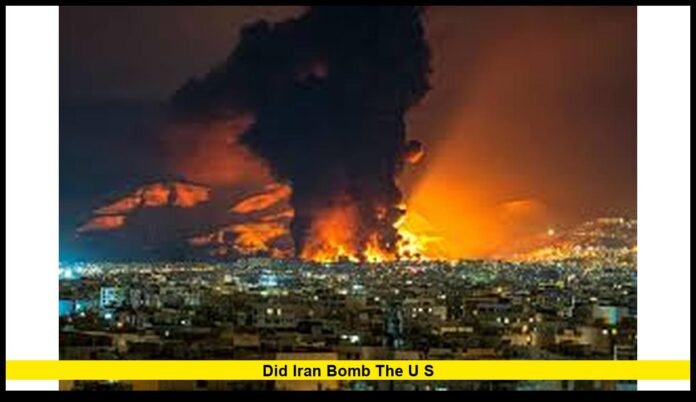

Did Iran bomb the US? This question has surged across search engines as Americans look for clear facts about security threats and international tensions. As of March 12, 2026, there is no verified evidence that Iran has bombed the United States mainland or carried out a direct military strike on U.S. territory. While tensions between the two countries remain serious, confirmed incidents involving Iran and U.S. forces have occurred outside the United States, primarily in the Middle East.
Understanding the difference between attacks on American troops abroad and an attack on the United States itself helps explain why this question continues to trend online. Several past military incidents and ongoing geopolitical conflicts often lead to confusion.
This article explains the verified facts about the situation, the history of confrontations between the two countries, and why many Americans are searching for answers.
Current Situation: No Iranian Bombing of U.S. Territory
As of the latest confirmed updates in 2026, Iran has not bombed the United States.
No government announcements, defense reports, or international security alerts confirm any Iranian bombing attack inside the United States.
American homeland defense systems constantly monitor potential threats. These systems track missile launches, aircraft movements, and other military activities around the world.
If a foreign military launched a direct attack on U.S. territory, authorities would immediately alert the public and international partners.
No such alert has occurred.
Why the Question Keeps Trending Online
Search engines often reflect public anxiety during times of international tension. When conflicts occur in the Middle East or military headlines appear online, many Americans start asking whether the United States itself has been attacked.
Several factors drive these searches:
- breaking news about regional conflicts
- reports involving U.S. military bases abroad
- viral posts on social media
- public concern about global security threats
Many people encounter headlines about attacks on American forces overseas. Without context, readers sometimes assume the attacks occurred on U.S. soil.
In most cases, the events involve military facilities located in foreign countries.
Understanding the Difference Between U.S. Territory and Overseas Bases
The United States maintains military bases across several regions of the world. These bases support international security operations and alliances.
Countries hosting American military installations include:
- Iraq
- Syria
- Bahrain
- Qatar
- Kuwait
- Jordan
Attacks occasionally target some of these locations during regional conflicts.
When news reports mention strikes on U.S. forces, they usually refer to incidents at these overseas bases rather than attacks inside the United States.
This distinction plays a major role in understanding the situation.
Historical Background of U.S.–Iran Tensions
Relations between Iran and the United States have remained tense for decades. Several historical events shaped the current relationship.
Key moments include:
| Year | Event |
|---|---|
| 1979 | Iranian Revolution and the U.S. embassy hostage crisis |
| 1980s | Naval clashes in the Persian Gulf |
| 2015 | Nuclear agreement negotiations involving Iran |
| 2018 | U.S. withdrawal from the nuclear deal |
| 2020 | U.S. strike that killed Iranian commander Qassem Soleimani |
Each of these developments increased mistrust between the two governments.
Despite the tensions, Iran has never conducted a bombing attack against the U.S. mainland.
The 2020 Missile Strike on Bases in Iraq
One of the most widely discussed confrontations occurred in January 2020.
After a U.S. drone strike killed Iranian General Qassem Soleimani in Baghdad, Iran launched ballistic missiles at military bases in Iraq that housed American troops.
Two main locations were targeted:
- Al Asad Airbase
- Erbil Airbase
These facilities were located in Iraq.
Several U.S. service members suffered traumatic brain injuries due to the blast impact from the missiles. No American troops died in the attack.
Although the strike targeted locations with U.S. personnel, it did not involve bombing the United States.
Iran’s Military Capabilities
Iran has developed a significant military infrastructure over the past several decades.
Key elements of its military include:
- ballistic missile systems
- drone technology
- naval forces operating in the Persian Gulf
- cyber warfare capabilities
Iran also maintains relationships with armed groups across the Middle East.
These groups sometimes conduct attacks on military targets within the region.
Military analysts often describe these activities as regional conflicts rather than direct attacks on the United States itself.
U.S. Homeland Defense Systems
The United States invests heavily in homeland defense systems designed to detect potential threats.
Several major systems protect the country from missile attacks.
Ground-Based Missile Defense
Interceptor missiles located in Alaska and California can destroy incoming ballistic missiles during flight.
Early Warning Satellites
Space-based sensors detect missile launches anywhere in the world within seconds.
NORAD Monitoring
The North American Aerospace Defense Command tracks aircraft and missile threats across North America.
Air Defense Networks
Advanced radar systems monitor airspace and provide alerts if unidentified aircraft approach U.S. territory.
These systems work together to maintain constant awareness of potential threats.
The Role of Proxy Conflicts in the Middle East
Some attacks involving U.S. forces in the Middle East come from armed groups that oppose American military presence.
Certain groups receive political or military support from Iran.
These groups operate in countries such as:
- Iraq
- Syria
- Lebanon
- Yemen
When these groups launch rockets or drones toward military bases, headlines sometimes describe the incidents as attacks linked to Iran.
However, those incidents usually involve regional conflicts rather than direct state-to-state attacks.
Understanding this distinction helps clarify why rumors about bombing the United States sometimes spread online.
How Misinformation Spreads During Global Conflicts
Modern communication allows information to travel quickly across social media platforms.
Unfortunately, inaccurate or incomplete reports often spread just as quickly.
Several patterns contribute to misinformation:
- dramatic headlines shared without context
- short video clips lacking full explanations
- rumors posted before official information becomes available
- misunderstanding of military terminology
For example, a rocket attack on a base in Iraq might appear online with headlines suggesting the United States was attacked directly.
Readers who only see the headline may misunderstand the actual event.
Public Concern About National Security
Americans naturally pay close attention to international threats.
Events involving nuclear programs, missile technology, and military conflicts often raise concerns about safety and national security.
Questions like did iran bomb the us reflect a broader desire for reliable information during uncertain times.
Public awareness of global conflicts increased significantly in the digital era because news spreads instantly.
People often search online to confirm whether alarming claims are true.
Diplomatic Efforts and Political Tensions
Despite decades of tension, diplomatic discussions between Iran and world powers continue periodically.
These negotiations often focus on several key issues:
- Iran’s nuclear program
- international economic sanctions
- regional security policies
- missile development
Diplomatic efforts aim to reduce the risk of military conflict.
Even during periods of high tension, both nations typically avoid direct attacks on each other’s territory.
The Strategic Consequences of a Direct Attack
A bombing attack on the United States would represent a major escalation in international conflict.
Such an event would likely trigger significant military and diplomatic responses.
Because of the potential consequences, nations usually avoid direct attacks on each other’s homeland.
Instead, most conflicts occur through regional confrontations, sanctions, or proxy engagements.
This reality explains why no verified Iranian bombing of the United States has occurred.
Why Accurate Information Matters
During periods of geopolitical tension, accurate information becomes extremely important.
False rumors about military attacks can create unnecessary fear and confusion.
Reliable reporting helps people understand the difference between:
- regional conflicts involving U.S. forces
- diplomatic tensions between nations
- confirmed attacks on U.S. territory
Understanding these differences allows readers to interpret breaking news more clearly.
What Verified Information Confirms Today
The latest confirmed facts show:
- Iran has not bombed the United States mainland.
- Past confrontations occurred outside U.S. territory.
- U.S. defense systems continuously monitor potential threats.
- International tensions remain an ongoing issue in global politics.
These facts explain why the topic continues trending online despite no confirmed attack.
What are your thoughts on global security and international tensions? Share your perspective and stay informed as world events continue to evolve.