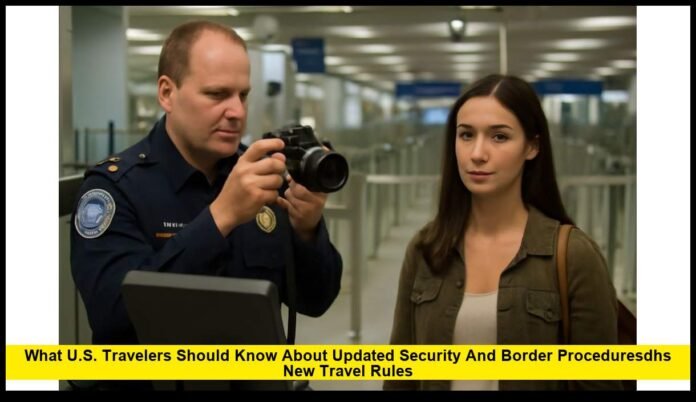

The dhs new travel rule has become an important topic for U.S. travelers as the Department of Homeland Security continues to adjust how travel information is checked and verified. Travel patterns, technology, and border control processes evolve over time. Therefore, DHS has introduced updates designed to improve identity confirmation and documentation review for both citizens and non-citizens entering or leaving the United States.
These adjustments do not completely change travel requirements. However, they strengthen how travel records are collected, checked, and organized. Because of this, travelers should understand how the updated procedures may affect airport and border experiences. The goal is to reduce confusion, avoid delays, and ensure smoother travel.
Why DHS Updates Travel Rules
Travel procedures do not remain the same forever. New security considerations, updated verification tools, and global travel changes influence how border systems work. Additionally, technology now plays a larger role in identity matching and travel document tracking. The dhs new travel rule reflects these ongoing developments.
The purpose of these updates is straightforward:
- Ensure accurate identity verification
- Improve travel record consistency
- Strengthen security checks without increasing burden on travelers
Because travel involves millions of individuals daily, even small adjustments can help streamline the system.
Who Is Affected by the DHS New Travel Rule
The rule affects several categories of travelers:
- U.S. citizens returning to the country
- U.S. permanent residents traveling abroad
- Non-citizens visiting the U.S. temporarily
- Students and workers traveling under visa status
- Individuals using land, sea, or air entry points
However, the impact varies by traveler type. U.S. citizens continue using passports as usual. Non-citizens may experience additional verification steps. Therefore, it is useful to review your document checklist before traveling.
Document Requirements Remain the Foundation of Travel
The dhs new travel rule does not replace existing document requirements. Rather, it reinforces the importance of correct and current documentation. Travelers should ensure:
| Traveler Category | Required Documents |
|---|---|
| U.S. Citizen | Valid passport or passport card |
| Permanent Resident | Green Card and passport from country of origin |
| Visa Holder | Passport and valid U.S. visa |
| Student/Worker | Visa, passport, and supporting status documents |
Proper documentation remains the most important factor in avoiding travel delays.
Identity Verification and Updated Screening Procedures
Identity checks occur at multiple stages during travel. Travelers may be asked to confirm identity using passports, boarding passes, or digital verification systems. Additionally, some travel checkpoints now use facial comparison tools. These tools help confirm that the traveler matches the travel document.
However, physical identification options remain available. Travelers are not required to rely solely on digital systems. Therefore, carrying physical documents remains necessary.
Entry Procedures for Travelers Arriving in the U.S.
Upon arrival to the United States, officials review:
- Passport or approved travel ID
- Visa status or residency status documentation
- Travel history and authorization validity
Additionally, travelers may be asked routine questions regarding the purpose of their visit. These processes ensure compliance with immigration laws and travel authorization rules.
The dhs new travel rule may include additional confirmation checkpoints. However, these checkpoints focus on record accuracy, not new restrictions.
Departure Procedures Also Matter
Departure from the United States is part of the travel record. The updated rule improves how departure information is logged. Accurate records help ensure that travel histories remain correct.
This record-keeping supports:
- Visa compliance
- Re-entry qualification
- Travel history consistency
Therefore, travelers should ensure boarding passes, travel documents, and identification stay aligned.
Why Travelers Should Allow Additional Time
Travel conditions vary by location and time. Because updated procedures may increase processing time at some airports or borders, arriving early is recommended.
Suggested arrival times:
- Domestic flights: at least 2 hours early
- International flights: at least 3 hours early
- Land borders: allow additional time during holidays or weekends
Additionally, preparing documents before reaching the screening area helps reduce delays.
Family Travel Considerations
Families traveling together should organize documents for each member before arrival. Children traveling internationally require passports. Additionally, if children travel without both parents, extra consent documentation may be required.
Keeping all travel IDs in one folder makes checkpoints faster and less stressful.
Benefits of the DHS New Travel Rule
Although new travel procedures may seem inconvenient at first, there are meaningful advantages:
- Better identity confirmation reduces travel errors
- More organized records help avoid misunderstandings
- Clear travel history supports smooth future entry
- Improved communication reduces uncertainty at the border
Furthermore, the updated system aims to reduce long-term wait times by improving verification accuracy.
Why Staying Informed Makes Travel Easier
Travel policies can shift gradually. Therefore, reviewing travel requirements before each trip helps avoid surprises. The dhs new travel rule represents a continuation of modernization efforts, not a sudden change. However, awareness reduces confusion.
Travelers can stay prepared by:
- Checking passport expiration dates
- Confirming visa status early
- Keeping electronic and physical copies of important documents
- Reviewing airline or border guidance before departure
Being proactive makes a noticeable difference in travel experience.
The Rule Supports a Larger Trend of Modernization
The updated rule aligns with broader efforts to improve travel safety and processing efficiency. Many airports around the world adopt similar identity systems. Therefore, these updates reflect global travel trends, not just U.S. policy shifts.
Additionally, digital identity systems continue evolving. These systems aim to reduce human error and improve accuracy. However, physical documentation remains required as a backup.
Travelers Still Control Their Preparation
Even though DHS updates travel rules, travelers maintain control over preparation. Staying organized prevents stress. Additionally, keeping travel plans flexible helps navigate unexpected travel delays or adjustments.
When travelers understand the dhs new travel rule, they can move through airports and borders with confidence.
Final Thought
The dhs new travel rule is part of an ongoing effort to modernize travel systems and improve documentation verification. While travelers may notice additional identity confirmation steps, the core travel process remains familiar. Preparation, patience, and awareness will help ensure smooth travel for both U.S. citizens and international visitors.
If you have an upcoming trip, feel free to share your travel questions or concerns below. Your experience may help others prepare as well.