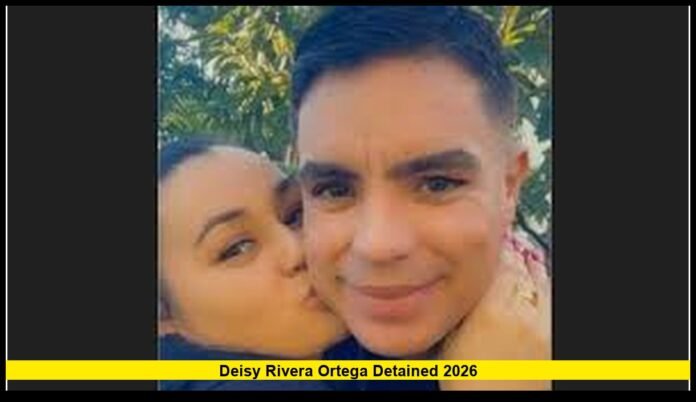

The case of deisy rivera ortega detained has rapidly become one of the most closely watched immigration stories in the United States, drawing attention to the fragile intersection between enforcement policies and the lives of military families. What unfolded in mid-April has left one Army household in turmoil and sparked broader discussions about how immigration laws are applied to individuals with longstanding ties to the country.
This situation began with what was expected to be a routine immigration appointment in El Paso, Texas. Instead, it ended with a sudden detention that has raised urgent questions about process, fairness, and the real-life impact of enforcement actions on families who have deep roots in American communities.
A Visit That Changed Everything
On April 14, Deisy Rivera Ortega attended a scheduled appointment with immigration authorities. These types of appointments are often part of ongoing immigration cases, including check-ins, paperwork updates, or progress reviews.
According to details surrounding the case, nothing about the appointment suggested it would lead to immediate custody. However, during the visit, officers detained her, transferring her into ICE custody at a processing facility in El Paso.
The unexpected nature of the arrest has become a central concern. Families navigating the immigration system often rely on scheduled appointments as part of their compliance with legal requirements. When those appointments result in detention, it can create fear and uncertainty not only for the individuals involved but also for others in similar situations.
Readers following this developing story can expect further updates as legal proceedings continue and more information emerges about how the decision was made.
A Life Built Over Years in the United States
Deisy Rivera Ortega’s story is not one of recent arrival. She has spent more than ten years living in the United States, building a life that includes work, family, and community connections.
Originally from El Salvador, she sought safety in the U.S. and entered the immigration system in pursuit of legal protections. In 2019, she was granted a form of relief that prevents her removal to her home country due to concerns about safety.
That protection allowed her to remain in the United States and legally work. At the time of her detention, she held valid employment authorization and was working on a military installation, contributing to services that support service members and their families.
Her long-term presence and employment history are now key factors being discussed as her case moves forward.
The Military Connection at the Center of the Story
The situation has gained national attention in large part because of Rivera Ortega’s husband, Sgt. First Class Jose Serrano, an active-duty U.S. Army soldier with nearly three decades of service.
Serrano’s career includes overseas deployments and years of dedication to the country. Like many military families, his household has navigated frequent moves, extended separations, and the demands that come with service.
The detention of his spouse has added a new layer of hardship. Serrano has expressed concern over how the situation unfolded and what it means for their family’s stability.
Military families often operate under unique pressures, and policies have historically recognized those challenges. Programs exist that allow certain spouses of service members to remain in the United States while pursuing legal status.
In this case, Serrano had already taken steps to secure that protection for his wife through an application that was still under review.
Understanding the Legal Landscape
Immigration law in the United States can be highly complex, especially in cases involving multiple layers of protection and prior rulings.
Rivera Ortega had previously received an order of removal. However, that order was accompanied by protection that prevents her deportation to El Salvador. This type of legal status acknowledges risk while stopping short of granting permanent residency.
The distinction is important. While it offers protection, it does not fully resolve an individual’s immigration status. That leaves room for enforcement actions under certain conditions.
Officials have indicated that alternative removal options may be considered, including deportation to countries other than the one covered by her protection.
This legal gray area is now central to the case, as attorneys work to determine whether her detention aligns with existing protections and pending applications.
Life in Detention
Following her arrest, Rivera Ortega was transferred to an ICE detention facility in El Paso. These facilities are designed to hold individuals while their immigration cases are processed or while removal proceedings are underway.
Detention can be an isolating experience. Access to family, legal counsel, and outside communication can vary depending on the facility and the circumstances of the case.
For families, the sudden separation can be overwhelming. In this case, Serrano faces the challenge of balancing his military duties with efforts to support his wife through legal channels.
Policy Changes and Enforcement Trends
The detention comes at a time when immigration enforcement practices are shifting.
Recent policy adjustments have expanded the range of individuals who may be subject to detention. This includes people who have pending applications or forms of temporary protection that do not fully shield them from enforcement actions.
In the past, discretion was often exercised in cases involving immediate family members of active-duty military personnel. That approach aimed to reduce the burden on service members and maintain family stability.
However, evolving priorities appear to be reshaping how that discretion is applied. The result is a more uncertain environment for families navigating both military life and immigration processes.
Legal Response and Ongoing Proceedings
Attorneys representing Rivera Ortega have taken action in federal court, seeking to challenge the legality of her detention.
These legal efforts may focus on several key points, including her existing protection, her compliance with immigration requirements, and her pending application connected to her husband’s military service.
Court proceedings in cases like this can take time. Judges may need to review documentation, hear arguments, and determine whether the detention should continue or whether alternative outcomes are appropriate.
The outcome could have implications not only for Rivera Ortega but also for others in similar situations.
The Human Impact Behind the Headlines
At the heart of the story is a family dealing with sudden and profound disruption.
For Serrano, the situation raises practical concerns as well as emotional ones. Travel restrictions tied to his military role may limit his ability to visit his wife if she is transferred or removed from the country.
For Rivera Ortega, the uncertainty of detention adds to the stress of an already complicated legal journey.
Stories like this highlight how immigration enforcement decisions can extend far beyond legal frameworks, affecting real lives in deeply personal ways.
Why the Case Is Drawing National Attention
The deisy rivera ortega detained case has resonated across the country because it touches on several major issues at once: immigration policy, military service, and family unity.
It raises questions about how the system handles individuals who have longstanding ties to the United States, particularly when those individuals are part of military households.
It also brings attention to the complexities of immigration law, where protections can exist alongside vulnerabilities, and where outcomes are not always predictable.
What Comes Next
As the case continues, several developments will be closely watched.
Legal proceedings will determine whether Rivera Ortega remains in detention or is released while her case is reviewed. Decisions will also be made about the status of her pending application and the possibility of removal.
Advocacy groups, legal experts, and military communities are likely to continue following the case, given its broader implications.
For now, the situation remains fluid, with new updates expected as the legal process unfolds.
The story is still developing, and its outcome could shape conversations about immigration enforcement and military families for months to come.
What are your thoughts on how immigration cases involving military families should be handled? Share your perspective and keep checking back for the latest developments.