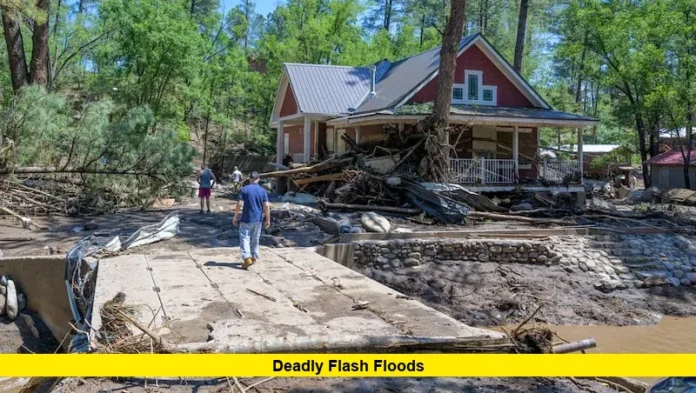

Flash flooding has turned deadly in North Carolina, claiming two lives in Nash County as extreme weather patterns continue to devastate communities across the nation. Meanwhile, wildfires are tearing across the western U.S., fueled by record-breaking heat.
The tragedy unfolded near Spring Hope, North Carolina, where two people were killed when their car was swept away by flood waters. This latest incident adds to what meteorologists are calling a devastating summer of flash flooding across multiple states.
Critical Conditions Persist Across Multiple Regions
Fire weather conditions are expected to remain critical through Saturday across western states, creating a dangerous combination of factors that emergency officials warn could lead to rapid fire spread.
Key Points Summary:
- Two fatalities reported in Nash County, North Carolina due to flash flooding
- Western US facing critical fire weather conditions through weekend
- 41,948 wildfires have occurred in the U.S. as of August 5, 2025, burning 3,434,260 acres
- Fire activity significantly higher than 2024 levels
- Heat dome building across western regions may set temperature records
Flash Flooding Emergency Intensifies
North Carolina’s emergency response teams have been working around the clock as flash floods continue to threaten communities. The Spring Hope incident highlights the deadly nature of rapidly rising waters that can transform familiar roadways into death traps within minutes.
Emergency management officials emphasize that flash floods can occur with little warning. Drivers should never attempt to cross flooded roads, as it takes only two feet of moving water to carry away a vehicle.
Western Fire Crisis Reaches Critical Level
The wildfire situation in western states has reached alarming proportions. Compared to the same period in 2024, when 23,124 fires occurred, this year’s fire activity represents a significant increase. This dramatic surge in fire activity coincides with building heat dome conditions that meteorologists warn could set new temperature records.
Fire potential across California is expected to increase steadily through summer, with both North and South Operations forecasting above-normal large fire activity by July and August. The state’s fire officials cite persistent drought conditions, high grass loads, and weakening coastal moisture as primary factors driving the elevated threat levels.
Heat Dome Threatens to Break Records
A developing heat dome across the western United States poses additional challenges for firefighting efforts and public safety. These high-pressure systems trap hot air near the surface, creating dangerous conditions that can persist for days or weeks.
The combination of extreme heat and dry conditions creates what fire scientists call a “perfect storm” for wildfire ignition and rapid spread. Even minor spark sources can quickly escalate into major incidents under these conditions.
Emergency Preparedness and Safety Measures
Authorities are urging residents in affected areas to stay informed about changing conditions. In flood-prone regions, people should avoid driving through standing water and have evacuation plans ready.
For those in fire-risk areas, officials recommend creating defensible space around properties, maintaining emergency supply kits, and staying alert to evacuation orders. The combination of extreme heat and fire danger requires heightened vigilance from both residents and emergency responders.
Climate Patterns Drive Extreme Weather
The convergence of flooding in the East and fire conditions in the West reflects broader climate patterns that meteorologists have been tracking throughout 2025. These extreme weather events underscore the importance of community preparedness and early warning systems.
Scientists note that climate change continues to influence weather patterns, contributing to more intense precipitation events in some regions while creating hotter, drier conditions in others.
What weather patterns have you noticed in your area this summer? Share your observations and stay connected for the latest weather updates as these dangerous conditions continue to unfold.