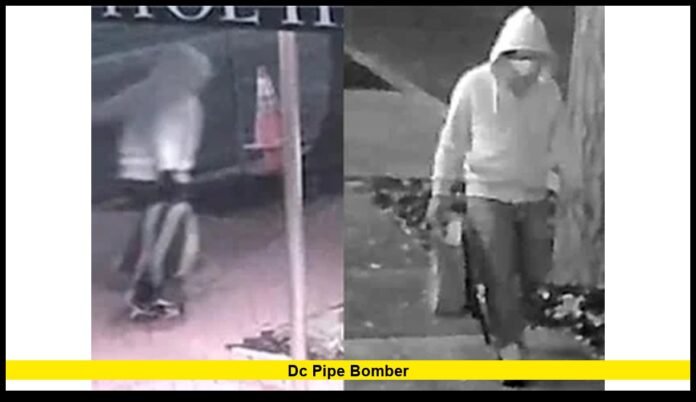

The federal investigation into the dc pipe bomber reached a long-awaited breakthrough as authorities announced the arrest of a Virginia man connected to the pipe bombs placed near both major political party headquarters on January 5, 2021. The arrest concludes nearly five years of intensive investigative work and brings new clarity to one of the most unsettling incidents tied to the turmoil that surrounded the events of early January 2021. Officials revealed that the suspect was taken into custody during a coordinated operation shortly before dawn, signaling a major advancement in a case that has remained unresolved for far too long.
The suspect, identified only after extensive review and evidence gathering, is expected to face charges in federal court. Investigators spent years examining video footage, reviewing tips, and conducting interviews, and their persistence has produced the first major public development in this investigation. For many Americans, this arrest symbolizes both accountability and a renewed commitment to national security, especially concerning threats directed at political institutions.
How the Bombs Were Discovered and Why the Threat Was So Significant
On January 6, 2021, authorities located two homemade explosive devices near the Democratic National Committee headquarters and the Republican National Committee headquarters. Each device was discovered separately during the early afternoon, prompting an immediate emergency response. The areas surrounding the buildings were evacuated, and bomb technicians secured the scenes.
Although the devices did not detonate, officials determined they were functional. The design included steel pipes, powder, wiring, and kitchen timers, forming devices capable of causing serious injuries or fatalities. Given their locations near two of the most politically important buildings in the nation’s capital, the threat represented not only a physical danger but also a direct challenge to government stability.
The discovery occurred at a time when law enforcement resources were already severely strained. As thousands of people converged on the Capitol, officers were forced to divide their attention between unfolding unrest and the threat presented by the bombs. The timing intensified the overall danger of the day and created challenges that affected the broader response.
A Closer Look at the Night the Bombs Were Planted
Investigators have confirmed that the bombs were placed on the night of January 5. Surveillance cameras captured a person moving through the neighborhoods surrounding the political headquarters. The individual wore gloves, a mask, and clothing that concealed identifying features. This made early identification difficult.
The person moved with purpose, walking from one headquarters to the other and placing each device within a specific timeframe. Authorities later built a detailed timeline based on surveillance recordings, assembling footage from multiple angles and intersections.
The planting of the bombs within walking distance of key political buildings raised immediate concerns. Investigators sought to determine whether the placement of the devices was timed to coincide with events planned for January 6, or whether other underlying motivations existed. While investigators have not provided answers to those questions publicly, the arrest is expected to shed new light on the motive and planning behind the devices.
Why the Investigation Took Nearly Five Years
The investigation into the bombs was one of the most complex domestic cases in recent history. Federal agents and investigators faced numerous obstacles in the early stages:
Limited clarity in early surveillance video
The individual responsible kept their face covered and moved with caution. Low light conditions also limited visibility in camera footage.
Extensive volume of evidence
The sheer volume of material slowed progress. Investigators reviewed more than 39,000 hours of video from businesses, homes, parking lots, and law enforcement sources. The effort required enormous coordination.
Hundreds of interviews
Authorities interviewed more than a thousand people throughout the investigation. Many provided information that required further verification and follow-up.
Widespread public attention
The case attracted attention nationwide, resulting in hundreds of tips. While all were reviewed, many led to dead ends before the relevant details emerged.
Technical and forensic challenges
The construction of the devices included common materials that could be purchased in many places. Forensic teams analyzed powder, piping, metal fragments, tools, and timers, comparing them against countless possible sources.
Need for technological improvement
Only after enhanced video processing techniques became available did clearer details appear. The updated footage revealed the suspect’s movements more precisely and highlighted specific clothing items.
These challenges contributed to the lengthy timeline, but investigators continued working until a breakthrough finally emerged. The recent arrest demonstrates the value of persistence and cross-agency cooperation in solving complicated security cases.
Details on the Arrest Operation
The arrest was carried out during a pre-dawn action involving federal and state authorities. Officials executed multiple warrants, including searches of the suspect’s residence and digital devices. The suspect was immediately taken into custody and is expected to face charges in Washington, D.C.
Although authorities have not yet disclosed the full list of charges, these are likely to include weapons violations, possession of destructive devices, and placing explosive materials near federal property. Once the legal process begins, public records will provide greater detail regarding the evidence that links the suspect to the bombs.
The arrest also signals that investigators have gathered enough factual information to build a strong case. With digital evidence, surveillance footage, interviews, and forensic results, the next phase of the investigation will likely focus on courtroom proceedings.
What Investigators Have Revealed About the Case
Officials confirmed several important details throughout the investigation:
- The bombs were fully operational devices.
- The materials used were accessible but required significant knowledge to assemble safely.
- The individual planted both devices within a narrow timeframe on the night of January 5.
- The walkways used by the suspect were carefully chosen to avoid areas with heavy foot traffic.
- The timeline built from surveillance recordings helped narrow the search.
- Enhanced video released earlier this year increased clarity and helped connect the final investigative details.
The new footage captured the suspect walking through multiple residential blocks, pausing near each headquarters, and placing the devices. One key detail that drew attention was the suspect’s footwear. Distinctive markings became an important clue once video clarity improved.
How the Bombs Influenced the Day’s Events
The bombs had a multi-layered impact on January 6. The presence of viable explosives near both major political committees required immediate attention from bomb technicians. Officers were diverted from other responsibilities, including monitoring the growing crowds near the Capitol.
Evacuations in the surrounding neighborhoods increased stress on law enforcement agencies. While the bombs were safely neutralized, the discovery created an additional layer of urgency throughout the afternoon.
Law enforcement officials have emphasized that the bombs were not harmless objects. The risk was real, and the devices had the potential to cause severe harm. Understanding the motive behind placing the bombs remains one of the most important unresolved questions.
Broader Implications for National Security
The incident demonstrated critical lessons about security preparedness and surveillance capabilities. Both political headquarters are located in urban areas with high foot traffic, and the ability of an individual to place explosive devices nearby raised concerns.
The arrest has prompted renewed discussions about coordination between agencies during major national events. In the years since the bombs were discovered, agencies have adopted updated surveillance systems, expanded public safety protocols, and reevaluated how threats are monitored in politically sensitive areas.
Additionally, the case highlighted the importance of public involvement. Many investigations rely on community tips, and the ability to track suspicious behavior improves when communities remain vigilant.
The Path Forward After the Arrest
With the suspect now in custody, several developments are expected:
Formal charges
The Justice Department will outline the specific charges the suspect faces. These documents will provide new details about the evidence gathered.
Court hearings
Initial hearings will determine whether the suspect remains detained during the trial process.
Further investigative work
Authorities may continue to analyze digital communications, financial records, or additional materials associated with the suspect.
Release of new information
As the court proceedings unfold, more details about the motive, planning, and actions of the suspect may become public.
The arrest is not necessarily the final chapter but marks the beginning of a new phase where answers can be pursued more directly through the legal system.
Why This Case Matters So Deeply to Americans
The incident involving the dc pipe bomber continues to hold national significance because it targeted two major political organizations with explosive devices at a moment of heightened national tension. The threat represented a direct challenge to public safety, political stability, and the peaceful functioning of government.
Americans have kept a close watch on this investigation for years because it symbolized both danger and uncertainty. The arrest reinforces that these threats are taken seriously, that investigations remain active regardless of the time involved, and that resolving such cases is vital for the nation’s security.
Conclusion
The arrest tied to the pipe bombs placed near political headquarters almost five years ago stands as a major achievement in one of the most high-profile domestic investigations of the past decade. With new evidence, strengthened investigative techniques, and continued dedication, authorities have moved closer to revealing the full truth. As the case proceeds through the courts, Americans will finally learn more about the individual responsible and the reasons behind the events that captured national attention.
Share your thoughts on this major development and what questions you think the ongoing legal process should answer next.