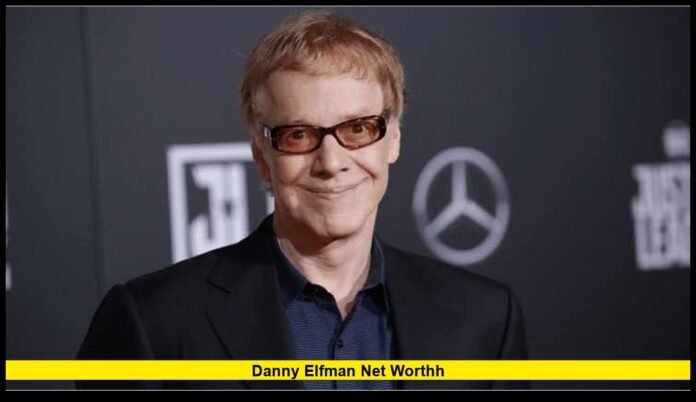

Danny Elfman net worth continues to attract attention because of his remarkable career as a Hollywood film composer, songwriter, performer, and recording artist. Best known for creating memorable music for films such as Batman, Beetlejuice, and Edward Scissorhands, Elfman has spent decades building a reputation as one of the entertainment industry’s most recognizable composers. His fortune is commonly estimated at approximately $50 million, although he has not publicly confirmed an exact figure.
Elfman’s financial success comes from more than writing music for blockbuster movies. His career includes television themes, rock music, orchestral compositions, concert performances, recording projects, and long-running creative partnerships. These different activities have allowed him to remain professionally active across several generations of entertainment.
Unlike performers whose careers depend primarily on acting roles or record sales, Elfman has developed a business around musical compositions that can continue reaching audiences long after their original release. His work appears in theatrical films, television programs, streaming productions, live concerts, and recorded soundtracks.
Understanding his financial position means looking at the different parts of his career and the projects that have helped establish his lasting influence.
What Is Danny Elfman’s Estimated Net Worth?
Danny Elfman’s net worth is widely estimated at around $50 million. This figure is frequently reported by celebrity wealth publications, but it should be treated as an estimate rather than a verified financial statement.
Elfman has not released a complete public account of his assets, investments, property holdings, business arrangements, or annual earnings. As a result, no outside estimate can establish his exact wealth.
His long career provides a reasonable explanation for why his estimated fortune is substantial. He has composed music for more than 100 feature films and has created television themes recognized by audiences around the world. He also spent years performing with the rock group Oingo Boingo before developing a successful career as a film composer.
A composer’s income can come from several different sources. These may include original composition fees, soundtrack-related revenue, music publishing arrangements, performance royalties, licensing agreements, and payments connected to the use of existing recordings.
The financial details of individual contracts are generally private. The amount a composer receives for a film can depend on the production budget, contract terms, rights ownership, and the composer’s negotiating position.
Therefore, the commonly reported $50 million figure offers an approximate indication of Elfman’s financial standing, not a confirmed calculation of everything he owns.
**How Danny Elfman Became a Recognized Name in Music
Elfman’s career did not begin in Hollywood’s biggest recording studios. His early musical development involved experimentation, performance, and a strong interest in unusual musical styles.
Born on May 29, 1953, in Los Angeles, California, he grew up surrounded by artistic influences. During his early years, he developed an interest in music, theater, and different forms of performance.
His professional path became closely connected to the alternative music scene. He eventually became the lead singer and principal songwriter of Oingo Boingo, a band known for its energetic performances, distinctive sound, and theatrical presentation.
The group developed a loyal following through live performances and recordings. Its music combined elements of rock, new wave, and other styles, giving Elfman an opportunity to develop his identity as a songwriter and performer.
Oingo Boingo became an important foundation for his later work. The experience helped him understand musical arrangement, rhythm, orchestration, songwriting, and the relationship between music and visual performance.
Those abilities later became central to his success in film scoring.
**Oingo Boingo Provided the Foundation for His Career
Before becoming a major Hollywood composer, Elfman spent approximately 17 years associated with Oingo Boingo. The band became particularly recognizable during the 1980s, when its music attracted listeners through radio exposure, albums, and concert performances.
Some of its best-known songs include Dead Man’s Party, Weird Science, and Only a Lad. These recordings helped establish the group’s identity and introduced Elfman’s songwriting to a wider audience.
The band’s music also appeared in films and television-related projects, creating connections between Elfman’s musical interests and the entertainment industry.
His work with Oingo Boingo was important for another reason: it allowed him to develop a creative voice that was different from conventional pop and rock music.
That unusual approach later became one of his strengths as a composer. His film scores frequently combine dramatic orchestration, memorable melodies, unusual instrumentation, and distinctive musical themes.
The transition from performing with a rock band to composing for major motion pictures was not simply a change of employment. It represented a broader expansion of his musical abilities.
**The Film Music Career That Built His Hollywood Reputation
Film composition is one of the most important parts of Elfman’s professional career. His breakthrough came with Pee-wee’s Big Adventure in 1985, directed by Tim Burton.
The film introduced audiences to a musical style that became closely associated with Elfman. Its energetic orchestration and unusual melodies helped establish the creative relationship between the composer and Burton.
Following that success, Elfman received opportunities to work on increasingly prominent productions.
His film credits include several major Hollywood titles:
- Batman
- Beetlejuice
- Edward Scissorhands
- The Nightmare Before Christmas
- Sleepy Hollow
- Men in Black
- Spider-Man
- Charlie and the Chocolate Factory
- Big Fish
- Alice in Wonderland
- Avengers: Age of Ultron
- Beetlejuice Beetlejuice
These projects demonstrate the range of productions in which he has worked. His compositions have accompanied superhero films, fantasy stories, comedies, animated productions, dramas, and large-scale studio releases.
Elfman has composed music for more than 100 feature films. That volume of work represents decades of professional opportunities and places him among the most recognizable composers in contemporary film entertainment.
However, a film’s commercial success does not automatically translate into a specific amount of personal income for its composer. Compensation depends on individual agreements, production arrangements, publishing rights, and other contractual details.
Even so, working consistently on major productions has helped Elfman maintain a strong position in the film music industry.
**His Long Creative Partnership With Tim Burton
One of the defining relationships in Elfman’s career is his collaboration with filmmaker Tim Burton.
The partnership began with Pee-wee’s Big Adventure and continued through numerous projects over several decades. Their creative connection became especially recognizable because Burton’s visual style and Elfman’s musical approach often complement one another.
The collaboration includes films such as Beetlejuice, Batman, Edward Scissorhands, The Nightmare Before Christmas, Sleepy Hollow, Big Fish, Charlie and the Chocolate Factory, and Alice in Wonderland.
Elfman’s music has helped establish the atmosphere of many Burton productions. His scores frequently combine playful melodies with darker orchestral elements, creating a sound that suits the filmmaker’s unusual visual worlds.
The relationship has also provided Elfman with opportunities to work on projects that reach large international audiences.
Their collaboration continued with Beetlejuice Beetlejuice, released in 2024. The film brought the creative partnership back to a familiar property and introduced its musical world to another generation of viewers.
For Elfman, the Burton connection is not simply one successful professional relationship. It is a major part of his artistic identity and a significant element of his career history.
**The Simpsons Theme Remains One of His Most Recognizable Works
Film scores are not the only reason audiences recognize Elfman’s music. His television work has also played an important role in his career.
One of his most famous compositions is the theme for The Simpsons. The animated series debuted in 1989 and became one of the most successful and recognizable television programs in American entertainment.
Elfman created the theme music that introduces the show’s distinctive world. Its memorable melody has remained part of the program’s identity through decades of television broadcasts.
A television theme can have a long life because it is repeatedly associated with new episodes, reruns, promotional material, and other forms of distribution.
That continued exposure helps explain why television composition can be an important part of a musician’s professional portfolio.
Elfman has also composed themes for other television productions, including Desperate Housewives and Tales from the Crypt. His work for television demonstrates that his musical style can function in shorter formats as well as full-length feature films.
His contribution to Wednesday also brought his music to a newer generation of streaming audiences. The series, associated with Tim Burton’s creative work, received a distinctive score that earned industry recognition.
**How Television and Film Royalties Can Contribute to Long-Term Income
A composer’s financial position may continue to benefit from work completed many years earlier. Music can remain in circulation long after the original production has ended its theatrical run or television broadcast.
Depending on the contract and rights involved, composers and music publishers may receive revenue when compositions are performed, broadcast, licensed, or distributed through qualifying platforms.
Film and television music can be used in several ways. A soundtrack may be released as an album, a television theme may be performed repeatedly, and a composition may be licensed for specific uses.
However, the existence of a recognizable composition does not mean that its creator automatically receives every payment connected to it. Ownership, publishing arrangements, recording rights, and contractual terms determine how revenue is distributed.
For Elfman, a catalogue that includes more than 100 film scores and several famous television themes represents a substantial body of creative work.
His music has been used across theatrical releases, television broadcasts, streaming productions, recordings, and live performances. These different uses help keep his compositions relevant to audiences.
Although the precise amount he receives from royalties is not publicly available, the long-term value of a successful music catalogue is an important part of understanding a composer’s career.
**The Nightmare Before Christmas and Its Lasting Cultural Influence
The Nightmare Before Christmas is another major part of Elfman’s musical legacy.
Released in 1993, the film became known for its distinctive visual presentation, memorable songs, and unusual combination of Halloween and Christmas themes.
Elfman contributed both music and vocals to the project, helping establish the personality of its central character, Jack Skellington.
Songs from the film have continued to reach audiences through soundtrack releases, seasonal programming, merchandise-related entertainment, and live performances.
The film’s continued popularity demonstrates how music connected to a successful production can remain culturally relevant for decades.
For a composer, a project with a lasting audience can create professional opportunities beyond its original release. Concert performances, soundtrack availability, and renewed interest in the film can all keep its music in public attention.
The continued recognition of The Nightmare Before Christmas also reflects Elfman’s ability to create songs that work as part of a story while remaining memorable outside the film itself.
**Recording Albums and His Work Beyond Hollywood
Although film scoring is central to his reputation, Elfman has continued to pursue projects outside mainstream movie production.
His solo recording work includes Big Mess, released in 2021, and the related project Bigger. Messier. These releases allowed him to explore a more personal and experimental musical direction.
His work in this area differs from the orchestral scores that made him famous. It combines alternative musical influences, unusual arrangements, and a more direct performance style.
Elfman has also developed an interest in classical composition. His concert works include Eleven Eleven, Piano Quartet, Percussion Concerto, and Wunderkammer.
These projects demonstrate that his creative ambitions extend beyond writing music for film scenes.
In May 2024, recordings featuring his Percussion Concerto and Wunderkammer were released, bringing more attention to his work in the classical music world.
Classical compositions can create additional performance and recording opportunities, although their financial value varies according to the number of performances, recording arrangements, and rights agreements.
For Elfman, these projects have strengthened his position as a composer working across different musical traditions.
**Awards and Recognition Throughout His Career
Elfman’s achievements have been recognized by major organizations in the entertainment and music industries.
His career includes four Academy Award nominations, reflecting the industry’s recognition of his film composition work.
He has also received three Emmy Awards, including recognition connected to his work on Wednesday. His achievements include a Grammy Award and other honors celebrating his contribution to music.
In 2015, he was named a Disney Legend, an honor recognizing individuals who have made significant contributions to the company.
He also received the Society of Composers and Lyricists Lifetime Achievement Award in 2022.
Awards do not directly establish a person’s wealth, but they can strengthen professional credibility and increase opportunities to work on prominent productions.
For a composer, industry recognition may help secure future projects, concert appearances, recording opportunities, and collaborations with filmmakers and orchestras.
Elfman’s long list of honors reflects the influence of his work across film, television, rock music, and classical composition.
**Danny Elfman’s Latest Projects and Career Developments in 2026
Elfman remains active in the entertainment industry, with recent projects demonstrating that his career continues to move beyond the films that first made him famous.
His recent film work includes Dracula, released in 2025, and the 2026 productions Send Help and Deadman’s Wire. These projects show that he continues to contribute music to new film productions.
His soundtrack work also includes music associated with Send Help. In August 2026, a release titled Main Title Theme (from ‘Stuart Fails to Save the Universe’) added another recent entry to his recording activity.
His professional schedule has also included live performances. A North American headline run during the fall of 2026 brought his music to concert venues, while further festival and headline appearances have been discussed for 2027.
One notable upcoming event is Elfman Burton, scheduled for November 13 and 14, 2026, at Resorts World Theatre in Las Vegas. The performances are set to feature music from Tim Burton films, with Elfman appearing alongside the Las Vegas Philharmonic and violinist Sandy Cameron.
The event reflects the continuing popularity of the music associated with Burton’s films.
Elfman has also discussed work on a new solo album and an accompanying film project. These plans indicate that his creative activity is not limited to scoring assignments.
The precise financial value of these upcoming projects has not been publicly disclosed. Nevertheless, continued film work, recording releases, and concert performances provide opportunities to maintain his professional presence.
**How Danny Elfman’s Different Income Sources Work Together
Elfman’s estimated fortune cannot be understood through film composition alone. His professional activities cover several areas of the entertainment business.
The main categories that may contribute to his financial position include:
Film Composition: Writing original scores for feature films has been a central part of his career. Major productions can provide substantial professional opportunities, although individual fees are private.
Television Music: His work on The Simpsons, Desperate Housewives, and other programs has connected his compositions with long-running television audiences.
Music Publishing and Royalties: Depending on ownership and contract arrangements, compositions may generate revenue through qualifying performances, broadcasts, licensing, and distribution.
Soundtrack Recordings: Film soundtrack albums and other recordings help make his work available beyond the original production.
Concert Performances: Live appearances allow audiences to experience his music in orchestral and other performance settings.
Solo Music: His albums and independent recordings provide another outlet for his creative work.
Classical Compositions: His concert works create opportunities for orchestras, ensembles, and recording projects.
These income categories should not be treated as confirmed individual earnings. Elfman’s contracts and financial arrangements are private, and no reliable public breakdown identifies how much he receives from each source.
The broader point is that his career has been built across several related industries rather than depending on a single type of work.
**Why Danny Elfman’s Music Continues to Attract New Audiences
One reason Elfman remains relevant is that his compositions are closely connected to entertainment properties that continue to attract viewers.
The music from Batman, Beetlejuice, and The Nightmare Before Christmas remains recognizable to audiences who first encountered those productions decades ago.
At the same time, newer projects such as Wednesday, Beetlejuice Beetlejuice, and Send Help introduce his work to people who may not have followed his earlier career.
This combination of established classics and new productions gives his catalogue a broad audience.
His music is also suitable for live performance. Orchestral concerts based on film scores allow audiences to experience familiar compositions in a different setting.
The continuing demand for film music concerts demonstrates that a composer’s work can have a life beyond the screen.
Elfman’s ability to move between different musical styles has helped him maintain a distinctive identity. His work is recognizable without being limited to one genre or type of production.
**Frequently Asked Questions About Danny Elfman’s Net Worth and Career
1. What is Danny Elfman’s net worth in 2026?
Danny Elfman’s net worth is commonly estimated at approximately $50 million. This is an unofficial estimate rather than a figure confirmed through public financial disclosures.
2. How did Danny Elfman make his money?
He built his career through film composition, television themes, songwriting, music recordings, concert performances, and classical compositions. His work for major Hollywood productions has been particularly important to his professional success.
3. Is Danny Elfman still composing music?
Yes. His recent credits include Dracula (2025), Send Help (2026), and Deadman’s Wire (2026). He has also remained involved in recording and live performance projects.
4. Did Danny Elfman create The Simpsons theme song?
Yes. Elfman composed the theme music for The Simpsons, which debuted in 1989. It remains one of his most widely recognized television compositions.
5. How many movies has Danny Elfman scored?
Elfman has composed music for more than 100 feature films. His credits include superhero movies, fantasy productions, comedies, dramas, and animated films.
6. What is Danny Elfman’s relationship with Tim Burton?
Elfman has been a longtime creative collaborator of filmmaker Tim Burton. Their partnership began with Pee-wee’s Big Adventure in 1985 and continued through numerous films, including Batman, Edward Scissorhands, and Beetlejuice Beetlejuice.
7. Was Danny Elfman a member of Oingo Boingo?
Yes. He was the lead singer and principal songwriter of Oingo Boingo for approximately 17 years. The band became known for songs including Dead Man’s Party and Weird Science.
8. Has Danny Elfman received Academy Award nominations?
Yes. Elfman has received four Academy Award nominations for his work in film music. He has also received Emmy, Grammy, and other industry honors.
9. Does Danny Elfman earn royalties from his music?
His compositions may generate revenue through qualifying performances, broadcasts, licensing, recordings, and other uses, depending on the rights and contractual arrangements. The exact amounts he receives are not publicly known.
10. What are Danny Elfman’s latest projects?
His recent projects include film scores for Send Help and Deadman’s Wire, alongside recording and concert activity. His scheduled November 2026 Las Vegas performances with music from Tim Burton films are another major part of his current career activity.
Final Thoughts
Danny Elfman’s career demonstrates how a musician can build long-term success by working across multiple areas of the entertainment industry. His journey from Oingo Boingo to major Hollywood film scores established him as a distinctive creative figure, while his television themes, solo recordings, and classical compositions broadened his professional reach.
His estimated $50 million fortune reflects the scale of a career that has lasted for decades, although the exact figure remains unconfirmed. His work on Batman, The Simpsons, The Nightmare Before Christmas, and numerous other productions continues to introduce his music to new audiences.
With recent film projects, recording activity, and live performances, Elfman remains an active presence in the music world. His career is a reminder that memorable compositions can continue to influence audiences long after their original release.
What is your favorite Danny Elfman composition or film score? Share your thoughts and join the conversation.