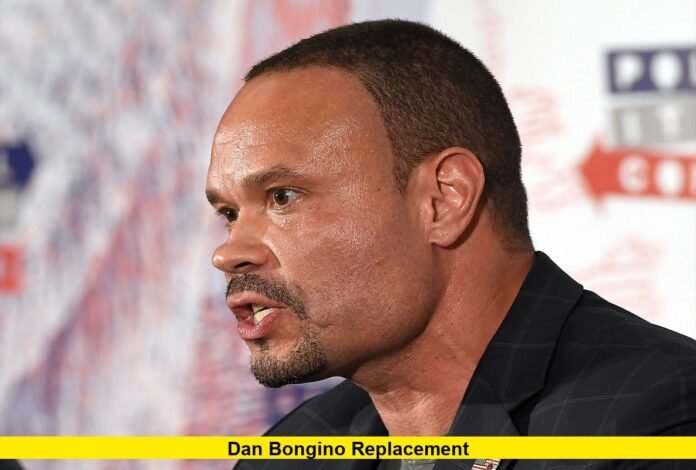

The conversation surrounding dan bongino replacement has taken center stage in U.S. media as conservative talk radio undergoes one of its most noticeable transitions in recent years. Dan Bongino’s departure from his nationally syndicated radio show and podcast left a significant opening in a time slot followed daily by millions of Americans. The move reshaped programming decisions, listener habits, and the broader conservative media landscape almost overnight.
This article provides a detailed, up-to-date look at what led to Bongino’s exit, how the replacement was chosen, how audiences have responded, and why this change matters for talk radio and political commentary in the United States.
Dan Bongino’s Rise in Conservative Media
Dan Bongino built his reputation over many years, first through public service and later through media. After a career in law enforcement and federal protection, he transitioned into politics and then into broadcasting. His direct communication style, emphasis on personal experience, and outspoken commentary resonated with conservative audiences across the country.
Over time, his radio program grew into a nationally syndicated show carried by hundreds of stations. His podcast also ranked among the most downloaded political programs in the U.S. Bongino’s influence extended beyond radio, shaping online discussions and daily political conversations.
By the time he stepped away from daily broadcasting, Bongino had become one of the most recognizable voices in conservative talk media.
Why Dan Bongino Stepped Away From Daily Broadcasting
Bongino’s exit from his daily show followed a period of intense professional demand and personal health challenges. Hosting a live, nationally syndicated program requires constant preparation, performance, and engagement. Over time, Bongino chose to step back from the daily schedule to focus on long-term priorities.
The decision was deliberate, not abrupt. Network executives and affiliates were given time to prepare for a transition, understanding that replacing a host of Bongino’s stature would require careful planning.
His departure immediately raised questions among listeners and stations alike: who could fill the slot without disrupting audience loyalty?
Selecting the New Voice for a National Audience
Replacing a major radio personality involves more than assigning a new host. The successor must appeal to existing listeners while establishing credibility and independence. The individual chosen had prior experience in conservative media, familiarity with syndicated broadcasting, and the ability to sustain daily engagement.
Rather than replicating Bongino’s on-air persona, the new host introduced a distinct presentation style. This approach helped signal a new chapter rather than an imitation of the past.
The rollout included a new show name, updated branding, and clear messaging that the program would continue delivering conservative political analysis with a fresh perspective.
How Stations and Networks Managed the Transition
Radio networks faced pressure to retain affiliates and advertisers during the change. To minimize disruption, they focused on continuity in scheduling and content focus. Stations retained the same broadcast hours, allowing listeners to tune in as usual.
Promotional campaigns explained the transition clearly, and the new host was introduced gradually. This strategy proved effective in maintaining audience numbers during the early weeks of the switch.
Behind the scenes, programming teams monitored feedback closely, adjusting segments and pacing to align with listener expectations.
Listener Response and Early Performance
Audience reaction initially reflected a mix of curiosity, skepticism, and loyalty to Bongino. Many longtime listeners expressed hesitation about change, while others were open to a new voice.
Over time, audience retention stabilized. Podcast downloads and radio ratings indicated that a large portion of Bongino’s former audience continued listening. The new show gained traction through consistent scheduling and recognizable conservative themes.
Some listeners appreciated the change in tone, noting differences in delivery and topic selection. Others continued to follow Bongino through other channels while remaining engaged with the new program.
What Changed With the New Show
While the ideological foundation remained conservative, several differences emerged:
- More structured segments focused on policy analysis
- Increased use of guest commentary and interviews
- A pacing style tailored to both radio and digital audiences
These changes reflected evolving listener preferences and the growing importance of cross-platform engagement.
Dan Bongino’s Continued Presence
Even after stepping away from daily radio, Bongino remains an influential figure. His past broadcasts continue circulating online, and his opinions still generate discussion. He maintains a public presence through selective appearances and commentary.
For many supporters, Bongino’s exit from daily broadcasting marked a shift rather than an ending. His role in shaping conservative media over the past decade remains significant.
Why the Dan Bongino Replacement Matters Nationally
The dan bongino replacement highlights broader changes in American media consumption. Talk radio remains a powerful medium, but audiences increasingly engage across podcasts, streaming platforms, and social media.
This transition demonstrated that:
- Strong programming structures can withstand host changes
- Audience loyalty depends on consistency as much as personality
- Media brands must balance tradition with adaptation
For advertisers and stations, the successful transition reinforced confidence in syndicated talk radio’s long-term viability.
Impact on Conservative Media Strategy
The change prompted many networks to reassess succession planning. Personalities drive engagement, but sustainable programming requires preparing for inevitable transitions.
Other conservative shows have taken note, focusing on developing multiple on-air voices rather than relying solely on one figure. This approach helps protect audience continuity when changes occur.
The Role of Podcasts in the Transition
Podcasts played a critical role in the shift. Many listeners discovered the new host through podcast platforms rather than traditional radio. On-demand listening allowed audiences to sample the new show without fully committing.
This dual radio-podcast strategy helped expand reach beyond traditional broadcasting markets and attracted younger listeners.
Looking Ahead for Conservative Talk Radio
As media habits continue to evolve, similar transitions are likely across the industry. Bongino’s departure and replacement serve as a model for how high-profile changes can be managed without major disruption.
Future success will depend on adaptability, authenticity, and maintaining trust with listeners who value consistent viewpoints and reliable commentary.
What This Means for Listeners
For audiences, the change offers choice. Listeners can follow the new program, continue engaging with Bongino’s content elsewhere, or combine both.
The transition reinforces that conservative media remains dynamic, capable of evolving while maintaining its core identity.
How do you feel about this shift in conservative talk radio, and has the new voice changed how you tune in? Share your thoughts and keep following for the latest developments.