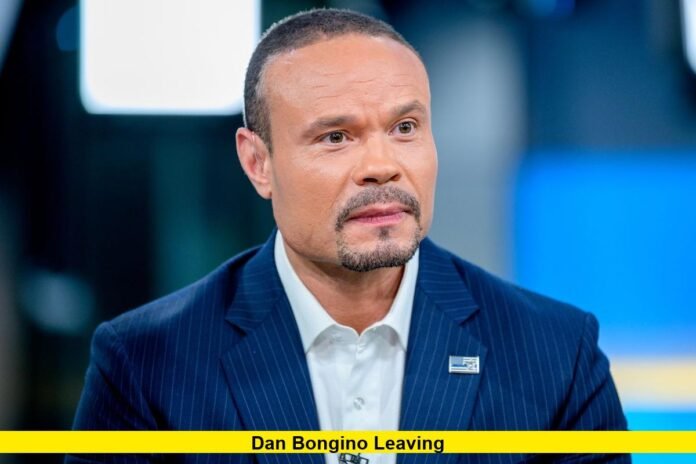

The announcement of dan bongino leaving his role as FBI Deputy Director in January 2026 has become one of the most closely followed developments in U.S. political and law-enforcement circles. The decision closes a turbulent chapter for the nation’s most powerful investigative agency and signals a broader shift in how leadership, politics, and public accountability intersect at the federal level. Bongino’s exit is not just a personal career move. It reflects deeper tensions inside the FBI, evolving expectations of its mission, and ongoing debates about independence and trust in American institutions.
This article presents a comprehensive, fully factual look at Bongino’s background, his time in office, the circumstances surrounding his departure, and what the transition may mean for the Bureau and the public it serves.
From Secret Service Agent to National Figure
Dan Bongino’s path to the upper ranks of federal leadership was unconventional. Before his appointment as FBI Deputy Director, he built a public profile as a former Secret Service agent who later became a prominent conservative commentator. His career in protective services included assignments during multiple presidential administrations, giving him firsthand exposure to federal security operations.
After leaving government service, Bongino entered media and politics. He ran for public office several times and gained national recognition through radio, podcasting, and television commentary. His messaging consistently focused on federal power, accountability, and what he described as systemic bias within major institutions.
That background made his appointment to FBI leadership both notable and controversial. Supporters saw him as an outsider capable of reform. Critics questioned whether a figure so deeply tied to partisan media could effectively serve in a role traditionally defined by neutrality.
The Appointment That Reshaped the Bureau’s Tone
Bongino’s appointment as Deputy Director came during a period of heightened scrutiny of federal law enforcement. Public confidence in institutions was already strained, and the FBI was navigating intense political pressure from multiple directions.
As the second-in-command, Bongino was positioned to influence internal policy, personnel decisions, and enforcement priorities. Alongside FBI Director Kash Patel, he became a visible face of leadership changes aimed at reshaping the Bureau’s focus.
The leadership team emphasized operational realignment, arguing that certain priorities had drifted away from the agency’s core mission. This perspective resonated with some political leaders and segments of the public, while raising alarms within the Bureau itself.
Key Policy Shifts During Bongino’s Tenure
Several verified developments defined Bongino’s time as Deputy Director:
- Resource Reallocation: Leadership directed increased attention toward immigration-related enforcement and border-linked investigations. Internally, some agents expressed concern that this emphasis reduced capacity in areas such as public corruption and complex financial crimes.
- Personnel Changes: A number of senior agents were reassigned, dismissed, or encouraged to retire. These moves were framed as accountability measures, but critics argued they resulted in the loss of institutional experience.
- Internal Culture Tensions: Reports from within the Bureau described declining morale among certain divisions. Long-serving staff questioned whether leadership decisions were driven more by ideology than operational necessity.
- Public Visibility: Bongino’s prior media career meant his actions drew heightened attention. His leadership style was more publicly scrutinized than that of many predecessors, intensifying debate about the appropriate public posture for FBI officials.
These changes combined to make his tenure one of the most polarizing in recent memory.
Legal and Institutional Challenges
As leadership reforms accelerated, the FBI faced multiple legal challenges tied to management practices. Lawsuits and internal complaints alleged improper dismissals, retaliatory actions, and politicization of enforcement priorities.
While not all claims directly named Bongino, his position placed him at the center of scrutiny. Congressional figures and watchdog groups called for oversight, citing concerns about whether the Bureau’s independence was being compromised.
At the same time, supporters within the administration defended leadership actions as necessary corrections to years of institutional drift. This clash of perspectives turned the FBI into a focal point of national political debate.
The Decision to Step Down
In December 2025, Bongino confirmed he would resign effective January 2026. The announcement followed weeks of speculation fueled by reports of internal dissatisfaction and personal strain associated with the role.
In his statement, Bongino expressed appreciation for the opportunity to serve and emphasized his belief in the mission of protecting the American public. He did not cite a single reason for leaving, but acknowledged the demanding nature of the position.
President Trump publicly praised Bongino’s service and indicated that the former deputy director was considering a return to media. The comments aligned with Bongino’s well-established presence in conservative broadcasting prior to his appointment.
What dan bongino leaving Means for FBI Leadership
Bongino’s departure immediately reshapes the FBI’s leadership structure. Andrew Bailey, who joined the Bureau’s top ranks earlier in 2025, is expected to assume greater operational authority. Bailey’s background as a former state attorney general and legal administrator contrasts sharply with Bongino’s media-driven profile.
This transition may signal a recalibration of leadership style, with increased emphasis on internal stability and professional continuity. For agents and staff who expressed concern about recent changes, the shift could offer reassurance.
However, it also raises questions about how much of the recent policy direction will remain in place. Leadership continuity, political oversight, and public trust will all play roles in shaping the Bureau’s next phase.
Public and Political Reaction
Reaction to Bongino’s exit has reflected the same divisions that marked his tenure.
Supporters argue that he brought transparency and challenged entrenched practices. They view his departure as a loss for reform-minded leadership and believe his influence will continue through media and political advocacy.
Critics contend that his resignation was overdue. They argue that the FBI’s credibility depends on leadership perceived as nonpartisan and professionally grounded. For them, Bongino’s exit represents an opportunity for the Bureau to reset its public image.
Across the political spectrum, the announcement has reinforced how deeply intertwined federal law enforcement has become with national political discourse.
Potential Next Steps for Bongino
While no formal announcement has been made about Bongino’s future plans, multiple indicators suggest a return to media. Before joining the FBI, he maintained a large audience through commentary platforms and built a brand centered on direct engagement with supporters.
A return to broadcasting would allow Bongino to frame his government experience in his own words and remain influential in political conversations. His time inside federal leadership provides firsthand insight that few commentators possess.
Whether he chooses full-time media work, political advocacy, or a hybrid role remains uncertain. What is clear is that his departure from the FBI does not mark an exit from public life.
Broader Implications for Federal Institutions
Beyond individual careers, Bongino’s resignation highlights ongoing challenges facing federal agencies:
- Balancing Reform and Stability: Efforts to change institutional culture must contend with the need for continuity and expertise.
- Maintaining Public Trust: Leadership transitions can either restore confidence or deepen skepticism, depending on transparency and outcomes.
- Defining Nonpartisanship: In an era of polarized politics, maintaining the appearance and reality of neutrality remains a core challenge.
The FBI’s response to this transition will likely influence how Americans view not only the Bureau but federal governance more broadly.
Why This Moment Matters Now
The timing of Bongino’s departure, ahead of a pivotal election year and amid ongoing debates over law enforcement authority, amplifies its significance. Leadership changes at the FBI rarely occur without national impact, and this one arrives during a period of intense institutional scrutiny.
For many Americans, the story is not just about one official leaving office. It is about how power is exercised, how institutions adapt, and how accountability is enforced at the highest levels.
Looking Ahead
As January 2026 approaches, attention will shift from the announcement itself to its consequences. New leadership decisions, internal reforms, and public communication will determine whether the FBI can stabilize and move forward.
Dan Bongino’s chapter as Deputy Director is ending, but its effects will continue to shape discussions about federal law enforcement, political influence, and the future of institutional leadership in the United States.
What do you think this leadership change means for the FBI and public trust moving forward? Join the conversation and stay updated as the story continues to unfold.