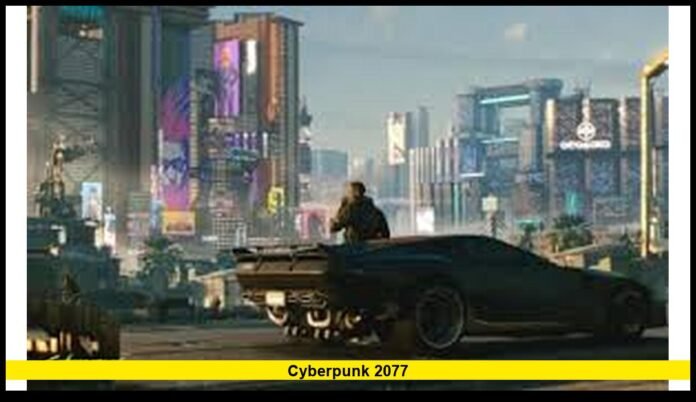

Cyberpunk 2077 continues to stand as one of the most closely examined and replayed role-playing games in the U.S. market, reflecting years of refinement, technical stability, and sustained player engagement that define its current form today. What began as an ambitious open-world release has matured into a fully realized experience shaped by long-term development, system redesigns, and a clear creative direction.
The game now represents a complete chapter in modern gaming history. It no longer revolves around recovery narratives or unfinished systems. Instead, it exists as a stable, content-rich title with a defined beginning, middle, and end. Players entering Night City today encounter a world that feels intentional, responsive, and cohesive from the opening moments onward.
A Game That Reached Its Final Form
Cyberpunk 2077 today reflects years of careful iteration. The underlying systems that govern combat, progression, and exploration were rebuilt to support player choice and clarity. These changes reshaped how characters grow, how encounters unfold, and how the city reacts to player behavior.
The perk structure encourages experimentation without punishing mistakes. Character builds feel flexible rather than restrictive. Whether players favor direct combat, stealth approaches, or tactical hacking, the game supports each path with equal depth.
This version of the game feels balanced and deliberate, offering consistent pacing across dozens of hours without overwhelming new players or limiting experienced ones.
Night City’s Identity and Atmosphere
Night City remains one of the most distinctive open worlds in gaming. Its visual design blends neon density with urban decay, creating a setting that feels alive without relying on constant scripted events.
Each district carries its own personality. Wealth, poverty, ambition, and neglect coexist within short distances. Players feel these contrasts through architecture, crowd behavior, and ambient storytelling rather than forced exposition.
Environmental details communicate power structures and social tension. From corporate towers to abandoned alleyways, the city tells its story through what it shows rather than what it explains.
Improved Systems and Player Freedom
Movement and traversal feel smoother and more responsive than earlier versions. Vehicles handle reliably, combat animations flow naturally, and interface improvements reduce friction during long play sessions.
Enemy behavior now reflects situational awareness. Encounters require planning rather than repetition. This design rewards observation and adaptability, especially during higher-difficulty scenarios.
Cyberware integration plays a central role in shaping gameplay identity. Augmentations influence combat speed, survivability, and tactical options. These choices create meaningful trade-offs rather than superficial bonuses.
Narrative Focus and Emotional Weight
The story in Cyberpunk 2077 remains deeply personal despite its massive setting. It centers on identity, control, and survival within a system that rarely rewards morality.
Player decisions influence character relationships and mission outcomes in subtle but lasting ways. Some consequences unfold hours later, reinforcing the idea that choices carry weight beyond immediate rewards.
Side missions offer some of the game’s strongest storytelling moments. These narratives often explore themes of loyalty, exploitation, and self-preservation without resorting to simple resolutions.
The tension between personal agency and technological intrusion runs throughout the experience, grounding the larger science-fiction concepts in human emotion.
Phantom Liberty’s Lasting Impact
The Phantom Liberty expansion represented a turning point in the game’s lifecycle. It introduced a more focused narrative structure and a new district designed around heightened danger and political instability.
Dogtown’s environment feels oppressive and controlled, contrasting sharply with the rest of Night City. This design reinforces the expansion’s tone while encouraging different combat and exploration strategies.
More importantly, Phantom Liberty arrived alongside major system updates that improved the entire game. These changes benefited both new and returning players, helping define the version of the game that exists today.
With its release, large-scale story development for Cyberpunk 2077 reached a natural conclusion.
Technical Performance and Reliability
Cyberpunk 2077 now delivers consistent performance across modern platforms. Load times remain short, frame pacing is stable, and visual fidelity meets current expectations for high-end titles.
Interface adjustments improve readability and reduce menu complexity. Accessibility options allow a wider range of players to engage with the game comfortably.
These technical improvements contribute to immersion by minimizing distractions and interruptions. Players spend more time engaging with the world and less time managing limitations.
Replay Value and Player Engagement
Replayability remains one of the game’s strongest qualities. Different character builds, dialogue choices, and mission paths encourage multiple playthroughs without repetition fatigue.
The structure supports both short sessions and extended play. Players can focus on main objectives or explore side content at their own pace without pressure.
On PC, community creativity extends longevity through cosmetic enhancements and gameplay customization. While the core experience remains single-player, player expression continues to thrive.
A Franchise With a Broader Vision
Cyberpunk 2077 exists within a larger creative universe that extends beyond the original game. This approach allows the title to remain intact as a finished work while the franchise grows in parallel directions.
The broader vision emphasizes quality control, long-term planning, and audience trust. Lessons learned during Cyberpunk 2077’s lifecycle now shape future projects tied to the same universe.
This separation between a completed game and future expansions ensures that Cyberpunk 2077 stands on its own merits rather than serving as a placeholder.
Cultural and Industry Influence
Few games have influenced industry conversations as strongly as Cyberpunk 2077. Its evolution reshaped discussions around post-launch support, transparency, and development accountability.
The game demonstrated that sustained improvement can change perception over time. It also highlighted the importance of aligning marketing expectations with deliverable experiences.
For players, Cyberpunk 2077 became a reminder that creative ambition must be matched with technical readiness.
Why Cyberpunk 2077 Still Resonates
Cyberpunk 2077 remains relevant because it offers depth, atmosphere, and narrative ambition rarely combined at this scale. It respects player time while encouraging curiosity and emotional investment.
New players experience a polished entry point. Returning players find closure and cohesion that early versions lacked.
The game’s lasting appeal comes from its willingness to confront uncomfortable themes while delivering engaging gameplay within a richly detailed world.
Looking Back With Clarity
Cyberpunk 2077 now occupies a unique place in gaming history. It is neither defined by its launch nor disconnected from it. Instead, it stands as a complete work shaped by evolution, feedback, and commitment.
Its journey demonstrates how a game can change without losing its identity. That balance remains difficult to achieve and even harder to sustain.
Cyberpunk 2077 continues to draw players back into Night City—share your perspective and keep following the story as its world remains part of the gaming conversation.