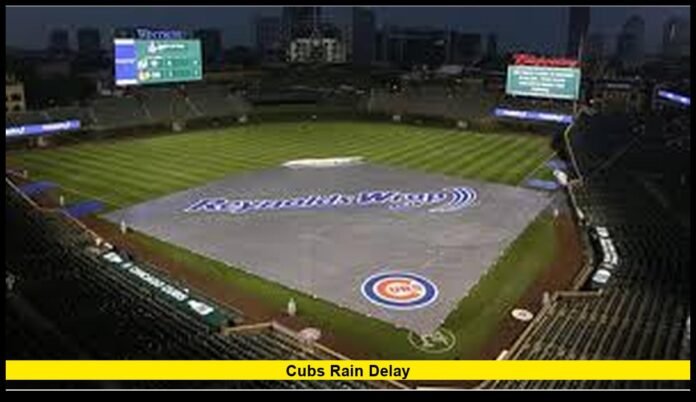

The cubs rain delay took center stage today as steady rainfall forced a pause in play at Wrigley Field, interrupting a live matchup featuring the Chicago Cubs. Officials halted the game after worsening field conditions made it unsafe to continue, bringing momentum to a sudden stop and shifting attention to the skies above Chicago.
The delay unfolded during active gameplay, not before first pitch, which added urgency to the decision. Umpires quickly signaled for stoppage as the rain intensified, and the grounds crew rushed onto the field to secure the playing surface.
Rain Arrives Mid-Game and Forces Immediate Halt
Chicago’s weather pattern had shown signs of instability earlier in the day. Light rain began falling before the game, but conditions remained playable at first pitch.
That changed quickly.
Within innings, rainfall increased in intensity. The infield dirt absorbed water rapidly, and puddling began forming near key areas. Players showed visible hesitation on footwork, particularly around bases and the mound.
Umpires acted decisively:
- Play stopped once footing became unreliable
- The tarp was deployed across the infield
- Players exited to dugouts without delay
- Officials began monitoring radar for movement
These steps align with standard procedures set by Major League Baseball to protect athletes and preserve field conditions.
Game Situation at the Time of Delay
The timing of a delay can shape how the rest of the game unfolds. Today’s interruption came at a meaningful point, with both teams still actively competing for control.
At the moment play stopped:
- The game remained in its early-to-middle innings
- Pitch counts were still manageable
- Offensive rhythm had begun to build
- Defensive adjustments were underway
A delay at this stage introduces uncertainty. Managers must prepare for several outcomes, including restarting with new pitchers or adjusting strategies entirely.
Pitching Strategy Becomes a Key Decision Point
Rain delays often impact pitchers more than any other players. Starting pitchers rely on routine, timing, and consistent warm-up cycles. A long break disrupts that rhythm.
For the Cubs, today’s delay created immediate questions:
- Should the starting pitcher return after the delay?
- How long will the break last?
- Which relievers should begin warming up?
In many cases, if a delay exceeds 30 minutes, teams opt to pull the starter. That decision can shift the balance of the game, especially if bullpens are already stretched.
Managers must weigh risk against opportunity. Bringing a pitcher back too soon can increase injury risk, while removing them too early may expose the bullpen.
Inside Wrigley Field: Fan Experience During the Delay
Fans at Wrigley Field experienced the full range of emotions that come with a weather stoppage. Some remained seated under rain gear, while others moved toward covered areas.
Wrigley Field’s historic design offers limited overhead protection compared to newer stadiums. That reality became clear as rain continued falling.
Common scenes during the delay included:
- Fans checking live weather updates on their phones
- Crowds gathering under concourse roofs
- Vendors continuing service despite reduced movement
- Scoreboards displaying delay notifications
Despite the inconvenience, many fans chose to stay, holding out hope that the game would resume.
Ground Crew Response and Field Protection Efforts
The grounds crew acted quickly once the delay was announced. Their efficiency plays a major role in determining how soon a game can resume.
Key actions included:
- Rolling out the full-field tarp within minutes
- Securing edges to prevent water seepage
- Monitoring drainage systems around the infield
- Preparing tools for rapid tarp removal
At Wrigley Field, this process is especially important due to the stadium’s age and exposure to weather elements.
Their work ensures that once rain stops, the field can be restored as quickly as possible.
Why Weather Frequently Affects Cubs Games
The Cubs play in one of baseball’s most weather-sensitive environments. Wrigley Field sits near Lake Michigan, where conditions can shift quickly.
Several factors contribute to frequent delays:
- Moist air patterns from the lake
- Sudden cloud formation over the city
- Temperature swings that influence precipitation
- Wind patterns unique to the ballpark
Unlike stadiums with retractable roofs, Wrigley Field depends entirely on natural conditions. That reality makes rain delays more common during early-season games.
MLB Rules and Procedures for Rain Delays
Major League Baseball has a clear framework for handling rain delays. These guidelines help ensure fairness while maintaining safety.
Before First Pitch
- Games can be delayed if rain is already falling
- Teams remain in locker rooms until conditions improve
During the Game
- Umpires control the decision to stop play
- Grounds crews act immediately to protect the field
After Extended Delays
- Games may resume if weather clears
- If not, officials may suspend or postpone the game
A suspended game resumes later from the same score and inning. A postponed game is replayed entirely on another date.
Today’s cubs rain delay followed these standard procedures, with officials carefully tracking conditions before making further decisions.
Broadcast Adjustments During the Delay
Television and streaming coverage continued despite the pause in play. Broadcasters shifted their focus to keep viewers engaged.
Coverage typically includes:
- Studio analysis of earlier innings
- Player statistics and highlights
- Weather radar updates
- Interviews or commentary segments
Fans watching from home stayed connected as networks filled airtime while waiting for an official update.
Impact on Team Schedule and Season Planning
Rain delays can affect more than just a single game. They can influence scheduling, travel, and player fatigue over time.
Potential effects include:
- Doubleheaders later in the season
- Reduced rest days for players
- Adjustments to pitching rotations
- Increased workload for relief pitchers
For the Cubs, maintaining consistency becomes more challenging when weather interruptions occur repeatedly.
Over a long season, even small disruptions can have cumulative effects.
Player Preparation During Long Delays
While fans wait in the stands, players remain active behind the scenes. Staying physically ready is essential for a smooth return to play.
During delays, players typically:
- Stretch to prevent muscle stiffness
- Use indoor batting cages
- Receive updates from coaching staff
- Maintain hydration and focus
Pitchers often follow specific routines to stay warm without overexerting themselves. Timing becomes critical if play resumes quickly.
Fan Safety and Stadium Operations
Safety remains a top priority during any delay. Stadium staff actively manage crowd movement and monitor conditions.
Measures include:
- Advising fans to avoid slippery steps
- Keeping exits and covered areas accessible
- Monitoring weather changes continuously
- Communicating updates through scoreboards
Even without severe storms, steady rain can create hazards that require attention.
Economic Impact of Weather Delays
Rain delays also carry financial implications. While ticket sales remain unchanged, in-game spending can shift.
Possible outcomes:
- Lower concession purchases during long delays
- Early departures reducing overall revenue
- Additional staffing costs for extended operations
- Rescheduling expenses if games are postponed
Despite these factors, Cubs fans often remain loyal, continuing to support the team regardless of weather conditions.
Read Also – Pirates Fan Falls
Comparing Wrigley Field to Modern MLB Stadiums
Wrigley Field stands out as one of the oldest ballparks in Major League Baseball. Its charm attracts fans, but it also presents challenges.
Modern stadium advantages include:
- Retractable roofs that prevent delays
- Advanced drainage systems
- Climate-controlled environments
Wrigley Field relies on traditional maintenance and quick response from crews, making delays more visible and impactful.
Possible Outcomes Following Today’s Delay
Several outcomes remain possible after a rain delay, depending on weather improvement and timing.
Game Resumption
If rain stops and the field dries, play resumes from the same point.
Suspended Game
If conditions don’t improve, the game continues later from the current score.
Postponement
If the delay becomes too long, the game is rescheduled entirely.
Each scenario affects teams differently, especially when considering pitching strategies and travel plans.
Weather Outlook in Chicago
Chicago’s weather remains unpredictable during this time of year. Rain systems often move quickly, but lingering moisture can delay field readiness.
Today’s conditions included:
- Steady rainfall across the city
- High humidity levels
- Limited sunlight to aid drying
Officials continued monitoring radar throughout the delay, looking for a window to resume play safely.
How the Cubs Adapt to Weather Challenges
The Cubs have long experience dealing with weather disruptions. Preparation and flexibility are key.
Team strategies include:
- Maintaining a deep bullpen
- Adjusting lineups when needed
- Preparing for quick turnarounds
- Staying mentally focused during delays
These adjustments help the team remain competitive despite unpredictable conditions.
Broader Impact on the MLB Season
Rain delays affect teams across the league, especially in outdoor stadiums. Early-season games often face the highest risk.
League-wide considerations include:
- Scheduling flexibility
- Travel coordination
- Player workload management
While each delay may seem minor, the cumulative effect can influence standings over time.
Final Recap of Today’s Cubs Rain Delay
Today’s events highlighted how quickly weather can change the course of a game.
Key takeaways:
- Rain forced a mid-game stoppage at Wrigley Field
- Officials prioritized safety and field conditions
- Players and fans adjusted to uncertain timing
- Multiple outcomes remained possible depending on weather
The cubs rain delay once again demonstrated the unpredictable nature of baseball played in open-air stadiums.
Stay connected for the latest updates on the cubs rain delay and share your thoughts as the situation continues to unfold.