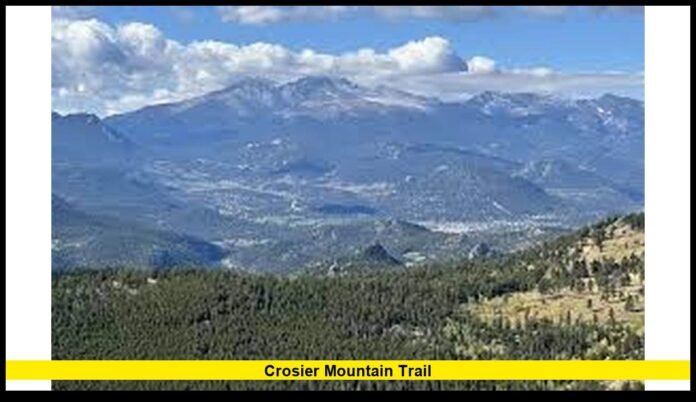

The Crosier Mountain Trail has drawn renewed national attention following confirmed safety concerns tied to wildlife activity, placing this well-known northern Colorado route under closer public and official awareness. Located within Roosevelt National Forest near Glen Haven and Drake, the trail remains open but is now approached with greater caution by hikers familiar with its demanding terrain, remote setting, and active wildlife habitat.
Why Crosier Mountain Trail Is in the Spotlight
Interest in Crosier Mountain Trail increased sharply after a fatal incident involving a hiker earlier this year. Authorities confirmed the death occurred along a remote section of the trail and showed physical evidence consistent with a mountain lion encounter. The event marked the first such fatal case in Colorado in more than two decades, making it both rare and deeply concerning for outdoor recreation communities.
Officials responded quickly to secure the area and assess public safety risks. Wildlife monitoring intensified, and targeted action followed to reduce immediate danger to future visitors. The incident reshaped how hikers view safety planning on this trail, even as experts emphasized that such encounters remain extremely uncommon.
Trail Location and Geographic Setting
Crosier Mountain Trail sits in Larimer County within the Roosevelt National Forest, positioned between Estes Park and Loveland. The surrounding landscape transitions from foothills to higher elevation forest, creating a mix of dense tree cover, rocky slopes, and open meadows.
This region supports diverse wildlife and experiences rapidly changing weather patterns. The trail’s elevation and exposure mean conditions can shift quickly, especially during shoulder seasons. Its location contributes to both its appeal and its challenges, offering isolation that attracts experienced hikers while demanding heightened awareness.
Trail Routes and Entry Options
Hikers can reach Crosier Mountain using several established access points, each offering a different experience while leading toward the summit.
The Garden Gate route provides a longer approach with a more gradual climb, allowing hikers to manage elevation gain over distance. This route moves through forested sections and open spaces that offer scenic variety.
The Rainbow Trail approach is significantly steeper and shorter, favored by seasoned hikers looking for a direct ascent. The climb is physically demanding and requires steady footing, particularly after rain or snowfall.
The Glen Haven route blends wooded switchbacks with meadow crossings, offering visual diversity and moderate shade. This option remains popular during warmer months but still requires strong endurance.
Regardless of route, hikers should plan carefully, as there are no services once on the trail.
Distance, Elevation, and Difficulty
Crosier Mountain Trail is classified as a difficult hike. Depending on the route chosen, total distance approaches ten miles round trip, with elevation gain exceeding three thousand feet. The ascent is sustained and steep in many areas, placing continuous demands on strength and stamina.
High elevation can affect breathing and endurance, particularly for visitors unaccustomed to mountain conditions. Loose rock, uneven surfaces, and narrow sections require constant attention. During colder months, snow and ice add another layer of complexity.
This trail is best suited for experienced hikers who understand mountain travel and are equipped for changing conditions.
Wildlife Activity Along the Trail
The Crosier Mountain Trail runs through an ecosystem that supports a wide range of animals. Deer and elk are commonly present, along with smaller mammals and birds. Predators, including mountain lions, are part of the natural balance in this area.
Mountain lions typically avoid human contact, but the terrain and vegetation along the trail provide natural cover. Quiet movement, narrow passages, and low-visibility areas can increase the chance of a surprise encounter, particularly when hikers travel alone.
The recent incident reinforced the reality that wildlife presence is not theoretical but active and ongoing in this region.
Understanding Mountain Lion Risk
While encounters remain rare, awareness is essential. Experts consistently note that mountain lions are more active during dawn and dusk and are drawn to areas with abundant prey. Lone hikers, especially in quiet or shaded areas, may face higher risk.
Hikers are encouraged to remain alert, make noise during travel, and avoid wearing headphones. Carrying deterrent spray designed for wildlife encounters adds an extra layer of preparedness. Knowing how to respond calmly if an animal is seen can make a critical difference.
Simple habits, when practiced consistently, reduce risk without diminishing the outdoor experience.
Trail Conditions Throughout the Year
Crosier Mountain Trail is accessible year-round, but seasonal conditions dramatically influence difficulty. Summer offers clearer footing and longer daylight, though thunderstorms can develop quickly in the afternoon.
Fall brings cooler temperatures and changing foliage, but fallen leaves can hide uneven ground. Winter and early spring introduce snowpack, ice, and strong winds at higher elevations, requiring traction devices and layered clothing.
Parking near trailheads is limited, and cell service is unreliable. Hikers should prepare as if no external assistance will be available.
Why Hikers Continue to Visit Crosier Mountain Trail
Despite recent concerns, Crosier Mountain Trail remains popular among experienced hikers. The summit rewards effort with sweeping views across northern Colorado, including distant peaks and forested valleys.
The trail offers solitude rarely found on more accessible Front Range hikes. Wildlife sightings, alpine vegetation, and changing landscapes provide a deeply immersive experience for those prepared to meet the challenge.
For many, the trail represents both a physical test and a connection to Colorado’s rugged outdoors.
Responsible Hiking and Public Safety
The attention surrounding Crosier Mountain Trail has renewed discussion about responsibility in wilderness areas. Preparation, situational awareness, and respect for wildlife are essential components of safe hiking.
Hikers are encouraged to share plans with others, carry navigation tools, bring sufficient water and food, and understand their limits. Group travel and early starts improve safety margins.
Land managers continue monitoring activity in the area, balancing public access with conservation and safety priorities.
Looking Ahead for Crosier Mountain Trail
Crosier Mountain Trail remains open, but the recent fatal incident has permanently changed how many view the route. Awareness has increased, and hikers are approaching the trail with a more informed mindset.
Ongoing monitoring and public education play a key role in ensuring safety while preserving access. The trail’s future depends on responsible use and respect for the environment it passes through.
Conclusion
The Crosier Mountain Trail stands as a powerful reminder of both the beauty and seriousness of backcountry hiking. Its challenges, rewards, and recent history highlight the need for preparation and respect in wild places.
If you’ve hiked Crosier Mountain Trail or plan to visit, share your thoughts and stay informed as conditions continue to evolve.