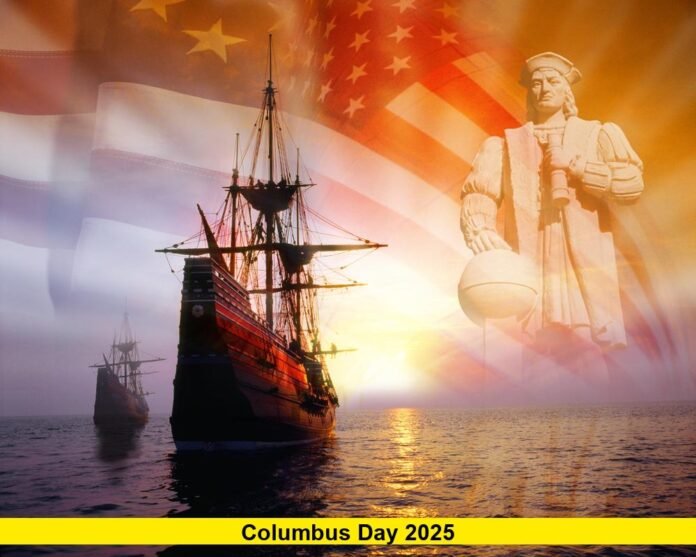

Every October, millions of Americans take note of Columbus Day, a holiday that sparks celebration for some and deep reflection for others. In 2025, the debate around Columbus Day is more significant than ever, as states, cities, and communities continue to decide whether this federal holiday should remain as it is, evolve into something new, or be replaced altogether.
When is Columbus Day in 2025?
This year, Columbus Day will be observed on Monday, October 13, 2025. As always, the holiday falls on the second Monday of October. On the federal level, it means that most federal government offices, banks, and postal services will be closed. For many Americans, it offers a long weekend; for others, it represents a moment to engage in cultural pride or civic conversation.
Yet Columbus Day in 2025 is no longer a holiday experienced the same way everywhere. While it is still recognized as an official federal holiday, the way states and cities treat it varies widely, reflecting America’s evolving attitudes toward history and identity.
The Origins of Columbus Day
To understand why Columbus Day remains such a contested holiday, it’s important to look back at its origins.
- Early recognition: Columbus Day celebrations began in the late 18th century, particularly among Italian-American communities who saw Christopher Columbus as a symbol of exploration, courage, and heritage.
- Federal recognition: In 1937, Columbus Day officially became a federal holiday after decades of lobbying by Italian-American organizations. At the time, it was celebrated as a proud acknowledgment of the contributions of Italian immigrants, who faced significant discrimination in the U.S.
- Cultural significance: For many Italian-Americans, the holiday became not just about Columbus himself but about recognition and acceptance in American society. Parades, festivals, and community gatherings became a proud tradition in cities like New York, Boston, and Chicago.
Why Columbus Day Has Become Controversial
Over the past several decades, the legacy of Christopher Columbus has been reexamined. While he is remembered for his 1492 voyage across the Atlantic, which opened the door to European settlement in the Americas, that same journey also marked the beginning of centuries of colonization and displacement for Indigenous peoples.
Critics of the holiday argue that Columbus Day glorifies a history that brought exploitation, disease, slavery, and violence to Native communities. For many Indigenous Americans, celebrating Columbus feels like celebrating the beginning of their ancestors’ suffering.
This perspective has fueled efforts to replace Columbus Day with Indigenous Peoples’ Day, a holiday that shifts the focus toward honoring Native American cultures, resilience, and contributions to the nation.
The Rise of Indigenous Peoples’ Day
Indigenous Peoples’ Day is not a new idea, but it has gained remarkable momentum in recent years. It is often celebrated on the same day as Columbus Day, offering an alternative narrative about the meaning of the holiday.
- Adoption by states: More than a dozen states, including Maine, Vermont, and New Mexico, have formally replaced Columbus Day with Indigenous Peoples’ Day.
- Local decisions: Hundreds of cities, from Minneapolis to Los Angeles, now celebrate Indigenous Peoples’ Day instead of or alongside Columbus Day.
- Educational impact: Schools and universities increasingly use the day to focus on Native American history, cultural survival, and the ongoing challenges Indigenous communities face.
- Public events: Indigenous Peoples’ Day is often marked by powwows, cultural festivals, storytelling, and ceremonies that highlight traditions passed down for generations.
While it does not yet hold federal status, Indigenous Peoples’ Day is quickly becoming a mainstream observance. The dual recognition reflects how the U.S. is grappling with its history and working toward a more inclusive understanding of its past.
Columbus Day in 2025: Political and Cultural Flashpoints
This year, the conversation around Columbus Day has intensified.
- National debate: Some political leaders continue to defend Columbus Day as a vital part of Italian-American identity. They argue that removing or replacing it erases a community’s hard-fought recognition in U.S. history.
- State action: Lawmakers in states like Virginia are once again introducing proposals to rename the holiday as Indigenous Peoples’ Day, reflecting shifting public opinion and cultural awareness.
- Local disputes: In several cities, legal challenges have emerged when mayors or city councils attempted to rename the holiday. In some cases, courts have overturned executive orders, insisting that such changes require legislative approval.
- Public opinion: Surveys show Americans remain divided. Many younger generations support Indigenous Peoples’ Day, while older generations and Italian-American groups strongly favor keeping Columbus Day intact.
How Different Communities Observe the Holiday
Depending on where you live, Columbus Day in 2025 may look very different.
- Traditional celebrations: In cities like New York and Chicago, large Columbus Day parades will still march down major streets, showcasing Italian-American culture with floats, music, and community pride.
- Indigenous commemorations: In states that observe Indigenous Peoples’ Day, communities will host educational programs, art exhibitions, and traditional gatherings to honor Native heritage.
- Hybrid observances: Some municipalities attempt a middle ground, recognizing both holidays on the same date. This approach seeks to acknowledge both Italian-American heritage and Indigenous history.
- Schools and workplaces: Some schools remain open but use the day to teach history from multiple perspectives. Meanwhile, private employers vary in whether they grant the day off, often depending on location and local tradition.
Symbols and Monuments Under Scrutiny
The debate doesn’t stop with the holiday itself. Columbus statues and monuments across the country have become focal points in this ongoing cultural conversation.
- Some communities have removed Columbus statues altogether, citing them as symbols of oppression.
- Others have chosen to leave monuments in place but add plaques or displays providing historical context about Columbus’ role in colonization.
- In certain cities, debates around Columbus monuments have led to protests, with passionate voices on both sides.
These monuments reflect how public spaces and symbols continue to evolve as America redefines who and what it chooses to honor.
Columbus Day vs. Indigenous Peoples’ Day: A Side-by-Side Look
| Feature | Columbus Day | Indigenous Peoples’ Day |
|---|---|---|
| Federal Status | Official federal holiday | Not a federal holiday |
| Date | Second Monday in October | Same day as Columbus Day |
| Focus | Christopher Columbus’ 1492 voyage; Italian-American pride | Native American history, culture, and resilience |
| Observance | Parades, community events, school lessons | Powwows, cultural festivals, educational programs |
| Public Sentiment | Supported by Italian-American communities | Gaining broad support nationwide |
The Future of Columbus Day
What lies ahead for Columbus Day? While it is unlikely to lose its federal holiday status anytime soon—since only Congress can make that change—the rapid expansion of Indigenous Peoples’ Day suggests the holiday will look increasingly different depending on where you are.
- National recognition: Presidents may continue to issue proclamations recognizing both holidays, symbolically balancing the two perspectives.
- State shifts: More states are likely to pass laws replacing Columbus Day with Indigenous Peoples’ Day in the years ahead.
- Educational reform: Schools may increasingly frame Columbus Day not as a celebration but as a moment of reflection about exploration, colonization, and cultural survival.
- Cultural reconciliation: Over time, some communities may find creative ways to acknowledge both Italian-American and Indigenous contributions, fostering a broader, more inclusive story of America.
A Holiday at a Crossroads
Columbus Day in 2025 is more than just a date on the calendar. It has become a mirror of America’s values, history, and future. For some, it remains a proud celebration of heritage. For others, it is a painful reminder of colonial oppression. And for many, it is an opportunity to rethink how the nation tells its story.
The debate is far from settled, but one thing is clear: Columbus Day has become one of the most important cultural conversations of our time.
Do you believe Columbus Day should remain, be replaced, or evolve into something new? Share your perspective in the comments and stay engaged with this important conversation.