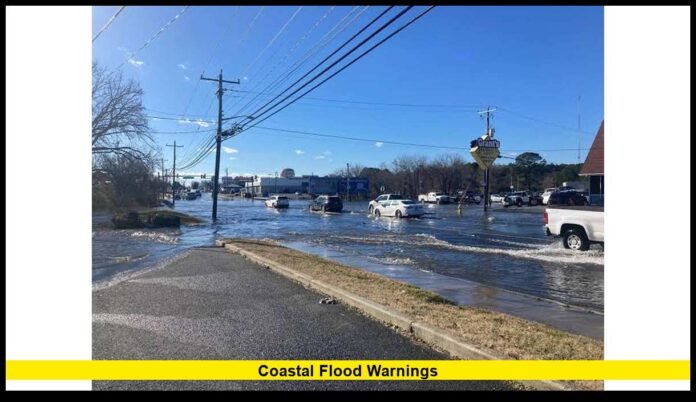

A coastal flood warning is drawing attention to worsening weather conditions along parts of the West Coast as Thanksgiving travel week gets underway. High tides, powerful ocean waves, heavy rainfall, and strong winds are creating concerns for coastal communities, particularly in Northern California and the Pacific Northwest, where low-lying areas could experience flooding and hazardous conditions.
The developing weather pattern could complicate holiday travel for residents and visitors heading to Thanksgiving destinations. Roads near shorelines, waterfront neighborhoods, beaches, parking areas, and coastal infrastructure may be vulnerable as water levels rise and storm systems move through the region.
With millions of Americans preparing to travel for the holiday, weather conditions are becoming an important factor for anyone planning to drive through affected coastal areas. Residents are being encouraged to monitor forecasts, prepare for possible flooding, and avoid areas where ocean water or storm runoff may create dangerous conditions.
Key Points Summary
╔════════════════════════════════════════════════════════════════════╗
║ – Parts of the West Coast are preparing for coastal flooding as Thanksgiving travel week begins. ║
║ – High tides, strong surf, rainfall, and wind could create dangerous conditions along exposed shorelines. ║
║ – Northern California, including the San Francisco and San Pablo Bay shorelines, faces elevated flooding concerns. ║
║ – Coastal communities in Washington and Oregon may experience flooding, erosion, and weather-related travel disruptions. ║
║ – Holiday travelers should check road conditions, avoid flooded streets, and follow local weather alerts. ║
╚════════════════════════════════════════════════════════════════════╝
Why the West Coast Is Facing Another Flooding Threat
The weather threat is developing as a series of Pacific storm systems move toward the West Coast. These storms are expected to bring additional rain and wind to areas that have already experienced substantial precipitation in recent days.
The combination of saturated ground and fresh rainfall can increase the risk of flooding. When soil is already holding significant amounts of water, additional rain may have fewer places to go. Water can accumulate on streets, overwhelm drainage systems, and flow into low-lying neighborhoods.
Coastal areas face a separate but related threat from the ocean. High tides and powerful waves may push seawater inland, particularly where shorelines are exposed or protective barriers are limited.
This creates a complicated weather situation in which communities could experience flooding from multiple sources, including rainfall runoff, rising tidal water, and wave-driven flooding.
King Tides Could Intensify Flooding Around San Francisco
One of the biggest concerns during the holiday week is the arrival of exceptionally high tides, commonly referred to as king tides. These naturally occurring tides can reach unusually high levels when the gravitational influence of the moon and sun aligns with other tidal factors.
San Francisco and surrounding Bay Area communities are preparing for high water levels that could approach record territory. The timing of the tides is particularly concerning because they are expected to coincide with incoming storms.
Low-lying shoreline locations may experience flooding during high-tide periods. Waterfront streets, paths, parking areas, and infrastructure could be affected, while repeated wave activity may contribute to erosion.
City officials are urging residents to take the forecast seriously and consider postponing unnecessary travel. Businesses and property owners near vulnerable waterfront areas are also being encouraged to prepare for possible water intrusion and transportation disruptions.
Flooding Concerns Extend Beyond San Francisco
Although the Bay Area is receiving considerable attention, the coastal flooding threat extends to other parts of the West Coast.
The Oregon coast and portions of southern Washington are also preparing for elevated water levels and possible tidal flooding. Low-lying coastal communities, bays, river mouths, sloughs, and shoreline roads may be particularly vulnerable.
Some locations could experience water moving onto roads or into areas that are normally dry. Beach erosion is another concern, especially where large waves repeatedly strike exposed shorelines.
Residents should pay close attention to local alerts because the severity of flooding can differ considerably from one community to another. A warning issued for one coastal zone may not necessarily apply to nearby inland areas, while conditions can change rapidly as tides and storms interact.
Heavy Rainfall Could Trigger Additional Flooding Inland
The coastal flooding threat is not the only weather concern during Thanksgiving week. Heavy rainfall is expected across portions of California, Oregon, and Washington as multiple weather systems move through.
Rain could cause localized flooding in urban areas, particularly where storm drains become overwhelmed. Streets with poor drainage may collect water quickly, while low-lying underpasses and roadways could become hazardous.
In areas where recent storms have saturated the ground, additional rainfall could also increase the potential for mudslides and debris flows. Hillsides, slopes, and locations near recent burn scars may be especially vulnerable.
Residents should avoid walking or driving through floodwater. Even when water appears shallow, it may conceal damaged pavement, debris, drainage openings, or rapidly changing conditions.
Thanksgiving Travel Could Become More Difficult
The weather is arriving during one of the busiest travel periods in the United States. Thanksgiving week typically brings heavy traffic on highways, crowded airports, and increased demand for transportation services. Storm-related disruptions could make the situation more challenging for travelers across the West Coast.
Drivers may encounter flooded streets, reduced visibility, standing water, fallen branches, and road closures. Highway routes near coastal areas may be affected by tidal flooding, while mountain routes could experience snow, icy conditions, and difficult driving conditions.
Air travelers may also face delays as heavy rain and gusty winds affect major airports. Weather disruptions at large transportation hubs can create ripple effects, potentially causing delayed departures, missed connections, and schedule changes in other parts of the country.
Travelers should consider the following precautions:
- Check weather forecasts before beginning a trip.
- Review road conditions and transportation advisories.
- Allow additional time for driving and airport arrivals.
- Keep an eye on airline notifications and flight status.
- Avoid driving through flooded streets.
- Have an alternate route available when possible.
- Consider postponing nonessential travel during the most hazardous weather periods.
The safest travel decision may depend on the timing of the storm, the destination, and the specific route. Travelers should remain flexible rather than assuming their original plans will remain unaffected.
What a Coastal Flood Warning Means for Residents
A coastal flood warning indicates that coastal flooding is expected or occurring and that people in the affected area should take precautions immediately.
Unlike a general weather advisory, a warning signals a more serious threat. Flooding may affect roads, buildings, coastal infrastructure, parking areas, and other locations near the shoreline.
Residents should understand that flooding can occur even when rainfall is relatively light. Elevated tides and ocean waves can push water into low-lying areas independently of heavy rain.
A coastal flood warning may also involve risks associated with erosion, debris, unstable shoreline conditions, and dangerous water movement.
People living in flood-prone communities should take steps to protect themselves and their property before water begins rising.
How Residents Can Prepare for Coastal Flooding
Preparation is particularly important for households located near beaches, bays, tidal waterways, and low-lying roads.
Residents should consider moving vehicles to higher ground before flooding begins. Items stored outdoors should be secured, and valuable belongings should be moved away from areas where water could enter.
Emergency supplies should be available in case travel becomes difficult or temporary disruptions affect access to stores. Essential supplies may include drinking water, food, medications, flashlights, batteries, chargers, and basic first-aid materials.
People should also make sure they can receive emergency alerts on their phones and understand the local evacuation procedures.
If flooding is expected near a home or business, residents should follow guidance from emergency officials rather than waiting until water reaches the property.
Beachgoers Should Stay Away From Dangerous Surf
Large waves can create hazardous conditions even for people who are not directly affected by coastal flooding. Storm-driven surf may produce sudden surges of water, powerful currents, and unexpected waves that can sweep people off beaches, rocks, seawalls, or coastal walkways.
Beach visitors should avoid standing near the water during periods of high surf. They should also stay away from exposed rocks, jetties, and areas where waves can unexpectedly reach elevated surfaces.
A wave that appears manageable from a distance can become dangerous when it breaks over a shoreline or sends water across a beach access area.
People should never turn their backs on the ocean during hazardous surf conditions and should avoid entering the water when warnings or advisories are active.
Coastal Flood Warning: Areas at Risk and What to Watch
The current coastal flood warning situation is a reminder that coastal weather hazards can affect a wide range of locations, from major metropolitan waterfronts to small beach communities.
The most vulnerable locations generally include:
- Low-lying coastal neighborhoods
- Waterfront roads and parking areas
- Areas near bays and tidal waterways
- Beaches experiencing strong wave activity
- Coastal river mouths and sloughs
- Communities with drainage systems vulnerable to high water
- Shoreline properties exposed to erosion
The risk may increase during high-tide periods, particularly when heavy rain and strong winds occur at the same time. Residents should check local forecasts to determine when water levels are expected to reach their highest points.
Weather Conditions Could Change Quickly
The West Coast weather pattern is expected to remain active as additional storms move into the region. Forecast timing, rainfall totals, wind strength, and the exact extent of flooding may change as meteorologists receive updated information.
Some communities may experience temporary improvements between storm systems, but those breaks do not necessarily mean the overall threat has ended.
High tides may continue to create flooding concerns even when rain is not falling. In other locations, additional rainfall may increase runoff and worsen problems caused by previous storms.
Residents should therefore avoid relying on a single forecast update. Checking weather information regularly can help people make better decisions about travel, outdoor activities, and property preparation.
Frequently Asked Questions
What is causing coastal flooding along the West Coast?
The flooding threat is being driven by a combination of elevated tides, powerful surf, incoming storm systems, rainfall, and strong winds. These conditions may combine to push ocean water into low-lying coastal locations.
Which locations are facing the greatest concerns?
Northern California, including San Francisco and San Pablo Bay shoreline communities, is facing elevated flooding concerns. Portions of the Oregon coast and southern Washington are also preparing for coastal flooding and dangerous high-water conditions.
Could Thanksgiving travel be disrupted?
Yes. Flooded roads, heavy rain, strong winds, mountain snow, and airport weather delays could affect holiday travel. Drivers and airline passengers should check conditions before leaving and remain prepared for schedule changes.
Are king tides responsible for the flooding?
King tides contribute to the risk by producing exceptionally high water levels. When these tides coincide with storms, large waves, or heavy rainfall, the possibility of flooding can increase significantly.
Should residents leave their homes during a coastal flood warning?
Residents should follow instructions from local emergency officials. Evacuation may be necessary in some locations, particularly if authorities issue evacuation orders or if homes are threatened by rising water. People should not wait until roads are flooded to make evacuation decisions.
Is it safe to drive through shallow floodwater?
No. Drivers should avoid flooded roads regardless of how shallow the water appears. Floodwater can conceal hazards, damage vehicles, and create currents strong enough to move cars.
How can travelers stay informed?
Travelers should monitor local weather alerts, transportation updates, road closures, airport information, and emergency announcements. Conditions may change quickly during an active storm pattern.
Final Outlook: Stay Prepared as Thanksgiving Approaches
The West Coast is entering a potentially disruptive period of weather just as Thanksgiving travel begins. Coastal communities are preparing for high tides, rough surf, heavy rain, strong winds, and possible flooding, while travelers face the possibility of delays on highways, mountain routes, and at airports.
The most important concern is the combination of elevated ocean water levels and incoming storms. When these conditions overlap, flooding can develop in places that may not normally experience water intrusion. Roads, waterfront infrastructure, beaches, and low-lying neighborhoods could all face impacts.
Residents should take warnings seriously, protect their property, and avoid unnecessary trips through vulnerable coastal areas. Travelers should remain flexible, check conditions frequently, and be prepared to change their plans if the weather becomes dangerous.
Are you seeing flooding, high tides, or travel disruptions in your area this Thanksgiving week? Share your experience in the comments and stay tuned for further weather updates.