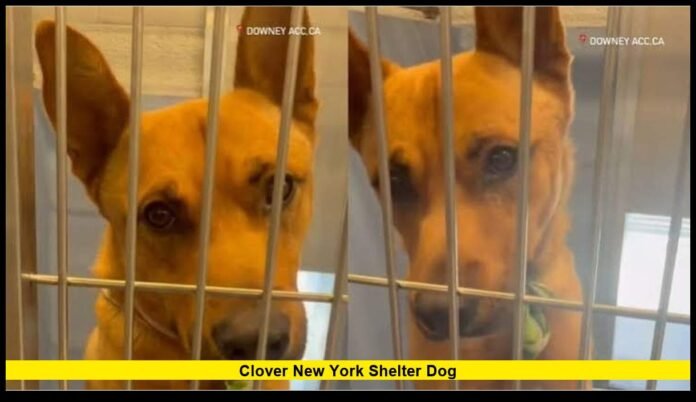

Few animal stories have connected with people online quite like Clover’s. The young rescue dog from New York has captured widespread attention after her emotional journey through the shelter system became widely shared on social media. Her experience has touched thousands of people because it reflects the reality many rescue animals face—finding a loving home, losing it through circumstances beyond their control, and patiently waiting for another chance.
As of July 21, 2026, Clover’s story continues to inspire conversations about pet adoption, responsible ownership, foster care, and the importance of giving shelter animals the opportunity to thrive. While many rescue dogs quietly wait behind kennel doors, her story has reminded people that every dog deserves stability, patience, and a family willing to make a lifelong commitment.
A Rescue Dog Whose Story Resonated Across the Country
Animal shelters care for countless dogs every year, but only a small number receive national attention. Clover became one of those rare dogs after videos highlighting her personality and difficult journey spread rapidly online.
Unlike stories that focus only on hardship, Clover’s journey shows resilience. Even after experiencing multiple changes in her life, she continues to greet people with enthusiasm, enjoys outdoor adventures, and demonstrates the friendly nature that shelter staff and volunteers have come to admire.
The attention surrounding her has also introduced many people to the everyday realities faced by rescue organizations across the United States.
Who Is Clover?
Clover is a young mixed-breed rescue dog living in the care of a New York shelter while searching for a permanent family.
Shelter volunteers describe her as an affectionate, playful, and curious companion who enjoys spending time with people. She has demonstrated confidence during outings away from the shelter and has become a favorite among volunteers who regularly spend time walking and socializing her.
Her friendly personality has made it even more surprising to many people that she has spent so much time waiting for lasting stability.
Rather than becoming withdrawn, Clover continues to show excitement during walks, enjoys exploring new environments, and appears eager to build relationships with the people she meets.
A Journey Marked by Unexpected Setbacks
Every rescue animal has a different story before arriving at a shelter, and Clover’s experience has included several unexpected turns.
She was adopted after entering the shelter system, giving everyone hope that she had finally found her forever home. Unfortunately, changes in the adopter’s circumstances eventually resulted in her return.
Later, another adoption also ended with Clover returning to shelter care.
These repeated transitions are emotionally difficult for any animal. Dogs naturally develop routines and attachments, so moving between different homes can create uncertainty even for friendly and well-adjusted pets.
Importantly, there has been no indication that Clover was returned because of aggression or dangerous behavior. Instead, her story highlights how life changes affecting owners can sometimes interrupt even the best intentions.
Why Her Story Went Viral
The turning point came when videos documenting Clover’s life outside the shelter began circulating on social media.
Instead of showing only kennel life, volunteers shared moments that revealed her true personality.
Viewers watched her:
- Explore city streets confidently
- Enjoy walks through local parks
- Relax beside volunteers
- Travel comfortably during outings
- Show curiosity in unfamiliar places
- Display an affectionate and energetic personality
These moments helped audiences imagine Clover as a family companion rather than simply another dog waiting inside a shelter.
The emotional contrast between her cheerful behavior and her uncertain future encouraged thousands of people to share her story.
More Than a Social Media Success
Although online attention helped introduce Clover to a larger audience, her story represents something much bigger.
Across the United States, shelters care for hundreds of thousands of homeless animals every year. Many receive excellent care from dedicated staff and volunteers, yet they still wait months for adoption because the number of available homes cannot always meet demand.
Clover has become a reminder that behind every kennel door is an individual dog with unique traits, preferences, and the ability to become a loyal companion.
Her popularity has encouraged more people to think about adoption before purchasing pets from breeders or pet stores.
Life Inside an Animal Shelter
Shelters work hard to provide safe environments, nutritious food, medical care, and daily exercise, but they cannot completely replace the comfort of a permanent home.
Dogs living in shelters often experience:
- Loud barking throughout the day
- Constant movement of visitors and staff
- New dogs arriving regularly
- Limited quiet spaces
- Changing daily routines
Even well-socialized dogs can become anxious in these environments simply because they lack consistency.
This is one reason why volunteers frequently take dogs like Clover on walks or short outings away from the shelter.
How Foster Outings Help Dogs Like Clover
Temporary outings provide significant emotional and behavioral benefits.
For Clover, these experiences allowed volunteers to observe her in normal environments rather than only inside a kennel.
During foster visits or day trips, dogs can:
- Relax in quieter surroundings
- Practice good leash manners
- Ride comfortably in vehicles
- Experience everyday household routines
- Meet different people
- Gain confidence outside the shelter
These experiences also help shelters create more detailed adoption profiles by showing how each dog behaves in real-life situations.
The Important Role of Shelter Volunteers
Volunteers have become one of the biggest reasons Clover’s personality reached such a wide audience.
Their responsibilities extend far beyond walking dogs.
Many volunteers spend hours:
- Photographing adoptable pets
- Recording videos
- Writing adoption biographies
- Organizing enrichment activities
- Attending community events
- Helping dogs become more comfortable around people
For dogs waiting months to find homes, these interactions provide valuable mental stimulation and social connection.
Volunteers also become strong advocates, sharing individual stories that might otherwise remain unknown.
Why Dogs Are Sometimes Returned
When people hear that a rescue dog has been returned after adoption, they often assume behavioral issues caused the situation.
Animal welfare organizations consistently explain that this assumption is often incorrect.
Common reasons include:
| Situation | How It Can Affect Pet Ownership |
|---|---|
| Housing restrictions | Some rental properties prohibit pets |
| Financial challenges | Veterinary expenses become difficult to manage |
| Job changes | Long work hours reduce available care |
| Family emergencies | Major life events change priorities |
| Relocation | Moving may limit pet-friendly housing |
| Health concerns | Owners may become unable to provide daily care |
Many shelters now offer counseling and support services designed to help families keep their pets whenever possible.
The Emotional Strength Dogs Can Show
One reason Clover has inspired so many people is her resilience.
Despite experiencing repeated changes, she continues to interact positively with volunteers and visitors.
Dogs are remarkably adaptable animals when they receive patience, structure, and positive reinforcement.
Many rescue organizations have witnessed dogs overcome difficult beginnings to become loving companions once they settle into permanent homes.
This resilience gives hope to both shelter workers and potential adopters.
Social Media Is Changing Animal Adoption
A decade ago, adoption promotion largely depended on shelter websites, local newspapers, and weekend events.
Today, social media platforms have transformed the process.
Short videos allow viewers to see a dog’s personality almost instantly.
Instead of reading a basic description, potential adopters can watch a dog:
- Play with toys
- Walk politely on a leash
- Meet new people
- Relax indoors
- Interact with volunteers
These authentic moments often encourage stronger emotional connections.
Clover’s popularity demonstrates how quickly one compelling story can reach people across the country.
Choosing Adoption Makes a Difference
Every successful adoption creates opportunities beyond helping one animal.
When one dog leaves a shelter:
- Another kennel becomes available
- Shelter resources stretch further
- Volunteers can focus on additional animals
- Medical care reaches more pets
- Rescue organizations gain momentum
Responsible adoption benefits both individual animals and the broader rescue community.
Preparing for Long-Term Pet Ownership
Experts encourage families to carefully evaluate whether they are ready before bringing home any pet.
Important questions include:
- Does the home allow pets?
- Can everyone participate in daily care?
- Is there room in the household budget for veterinary visits?
- Does the family’s schedule allow time for exercise?
- Is everyone prepared for a commitment that may last well over a decade?
Planning ahead reduces the likelihood of pets returning to shelters because of preventable challenges.
The Growing Importance of Foster Programs
Many shelters have expanded foster programs to reduce stress for dogs waiting for adoption.
Foster homes provide temporary care while allowing animals to experience normal household routines.
Benefits include:
- Better socialization
- Reduced kennel stress
- Easier behavioral assessments
- More accurate personality observations
- Greater visibility through shared experiences
For dogs similar to Clover, foster opportunities can make the transition into permanent homes much smoother.
A Reminder That Every Shelter Dog Has Potential
Clover’s story has become meaningful because it reminds people not to judge rescue animals by the amount of time they spend in shelters.
Some dogs wait longer simply because the right family has not found them yet.
Others require homes that match their energy level or lifestyle.
Length of stay should never be mistaken for lack of potential.
Many long-term shelter dogs become deeply devoted companions once given consistency and patience.
Why Stories Like This Matter
Beyond one dog’s experience, Clover’s journey has encouraged broader conversations about responsible ownership and lifelong commitment.
Animal welfare organizations hope stories like hers inspire people to:
- Visit local shelters
- Meet adoptable animals in person
- Consider fostering
- Volunteer when possible
- Support rescue organizations through donations or supplies
- Learn about responsible pet ownership before adopting
Even people who cannot adopt immediately can help by sharing adoption profiles and encouraging others to consider rescue animals.
What Comes Next
Public attention has already introduced Clover to a much larger audience than most shelter dogs ever receive.
That visibility has become an opportunity to remind prospective adopters that every rescue animal deserves to be evaluated as an individual rather than defined by past circumstances.
Whether someone is considering adoption for the first time or has welcomed rescue pets into their home before, Clover’s journey highlights the lasting impact that patience, compassion, and commitment can have on a dog’s life.
Her story continues to inspire hope—not only for her future but also for the countless other shelter animals waiting for someone to see beyond a kennel door and recognize the loyal companion waiting inside.
What are your thoughts on Clover’s inspiring journey? Share your perspective in the comments and stay informed about more uplifting rescue stories and animal adoption updates.