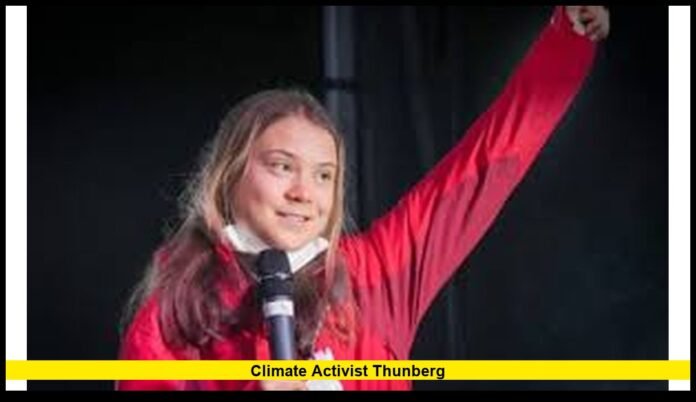

Climate activist Thunberg remains one of the most influential figures in the international environmental movement as of March 2026. Greta Thunberg continues to participate in protests, climate campaigns, and youth-led demonstrations that push governments and corporations to accelerate action against global warming.
Since first attracting global attention in 2018, Thunberg has helped turn youth climate activism into a powerful worldwide force. Her speeches, protests, and campaigns have influenced climate discussions across Europe, North America, and many other regions. In the United States, her activism helped energize student climate movements and strengthened public awareness about environmental policy debates.
Today, the Swedish activist remains active in demonstrations, public discussions, and climate campaigns that focus on cutting greenhouse gas emissions and protecting the planet’s ecosystems.
How Greta Thunberg Became a Global Climate Leader
Greta Thunberg began her climate activism in August 2018 outside the Swedish parliament building in Stockholm.
At just 15 years old, she skipped school to protest government inaction on climate change. She held a simple sign calling for a school strike for the climate.
The protest quickly gained attention online. Students in other countries began organizing similar demonstrations, inspired by her message.
Within months, the movement grew into a global campaign known as Fridays for Future. Young people around the world started holding weekly climate strikes to demand stronger environmental policies.
Major milestones in her early activism include:
- 2018: Launch of the first school climate strike in Sweden
- 2019: Global student climate strikes involving millions of participants
- 2019: Speech at the United Nations Climate Action Summit in New York
- 2020–2023: Continued protests, international travel for climate events, and global activism
These actions transformed a single protest into one of the largest youth-led environmental movements in modern history.
The Global Impact of Youth Climate Strikes
The climate strike movement rapidly spread across continents.
Students organized rallies in cities across Europe, North America, Asia, Africa, and Australia. Large demonstrations occurred in hundreds of cities during global strike days.
Some of the largest protests happened in 2019, when millions of people joined coordinated climate marches.
Key characteristics of the youth climate movement include:
- Student-led demonstrations
- Calls for science-based climate policy
- Focus on long-term environmental protection
- Pressure on governments to reduce fossil fuel use
Young activists often argue that current policies fail to protect future generations from climate risks.
Thunberg’s speeches frequently emphasize the urgency of listening to climate science and acting quickly.
Influence on Climate Awareness in the United States
Greta Thunberg’s activism strongly influenced climate awareness among young Americans.
Large climate strikes inspired by the Fridays for Future movement took place across the United States.
Major demonstrations occurred in cities such as:
- New York City
- Washington, D.C.
- Los Angeles
- San Francisco
- Chicago
- Boston
Thousands of students participated in marches and rallies calling for stronger climate policies.
Many youth activists organized school walkouts to demand action from political leaders. These protests brought climate policy into national conversations about environmental responsibility.
American environmental organizations also collaborated with youth groups to organize rallies, climate education programs, and advocacy campaigns.
Participation in International Climate Events
Thunberg regularly attends global climate gatherings and environmental conferences.
One of the most widely discussed moments of her activism occurred in 2019 when she traveled across the Atlantic Ocean by sailboat to attend the United Nations Climate Action Summit.
The journey drew global attention because the sailboat produced no carbon emissions from aviation fuel.
During the summit in New York, she delivered a speech urging world leaders to treat climate change as an urgent crisis rather than a distant threat.
Since then, she has continued to participate in international climate discussions and environmental events.
Her speeches often highlight the gap between political promises and actual emission reductions.
Recent Climate Demonstrations and Activism
In recent years, Greta Thunberg has continued to join protests and demonstrations across Europe and other regions.
Many protests focus on opposing new fossil fuel development projects and demanding stronger environmental policies.
Common protest demands include:
- Ending new oil and gas exploration
- Increasing renewable energy investment
- Protecting forests and natural ecosystems
- Reducing global carbon emissions
Some demonstrations have attracted large groups of environmental activists and students.
During several protests, authorities detained activists involved in civil disobedience demonstrations. These incidents generated international media attention and renewed debate about climate activism.
Despite criticism from some political leaders, youth-led climate movements remain active worldwide.
Climate Issues Highlighted by Thunberg
Greta Thunberg often focuses on scientific findings about the environmental consequences of global warming.
Several climate-related challenges frequently appear in her speeches and campaigns.
Rising Global Temperatures
Global average temperatures have increased significantly over the past century. Scientists link this trend to greenhouse gas emissions produced by human activities.
Burning fossil fuels remains one of the largest contributors to these emissions.
Extreme Weather Events
Many regions have experienced more frequent heat waves, wildfires, floods, and intense storms.
In the United States, extreme weather events have caused billions of dollars in damage in recent years.
Melting Ice and Rising Seas
Arctic and Antarctic ice loss contributes to rising sea levels.
Coastal communities face increasing risks from flooding and storm surges.
Transition to Clean Energy
Environmental groups advocate for faster expansion of renewable energy sources such as wind, solar, and hydropower.
Reducing reliance on fossil fuels remains a central goal of many climate campaigns.
Public Support and Criticism
Greta Thunberg’s activism has received both strong support and criticism.
Supporters view her as a powerful advocate for climate awareness. Many environmental groups credit her with mobilizing millions of young people worldwide.
Supporters also praise her ability to bring scientific climate warnings into public conversations.
Critics, however, sometimes argue that climate activism oversimplifies complex policy challenges or disrupts economic industries tied to fossil fuels.
Despite these debates, Thunberg’s impact on global climate discussions remains widely recognized.
Her speeches and demonstrations often attract large audiences and extensive online engagement.
Role of Social Media in Climate Mobilization
Social media platforms have played a significant role in spreading climate activism.
Thunberg maintains a large global following across major social platforms. Her posts frequently share updates from protests, climate events, and environmental campaigns.
These platforms allow activists to:
- Coordinate international protests
- Share climate information quickly
- Encourage youth participation
- Highlight environmental issues in real time
Online communication helped transform local climate protests into a global movement involving millions of participants.
Youth activists continue using social platforms to organize demonstrations and climate awareness campaigns.
Environmental Policy and U.S. Climate Debate
Climate policy remains a major topic in American political discussions.
Federal and state governments continue investing in initiatives designed to reduce greenhouse gas emissions.
Several major policy areas currently shape the climate debate:
- Expansion of renewable energy infrastructure
- Electric vehicle adoption and charging networks
- Clean energy manufacturing investments
- Climate resilience programs for extreme weather
Environmental groups continue calling for faster progress in reducing emissions and transitioning to cleaner energy sources.
The activism of figures such as climate activist Thunberg has helped keep climate issues in public focus.
Youth-led movements often encourage policymakers to consider long-term environmental consequences when shaping legislation.
The Continuing Role of Youth Climate Activism
Youth activism remains one of the defining features of the modern environmental movement.
Students and young professionals organize protests, educational events, and community campaigns focused on climate awareness.
Many activists believe young people must take a leading role because climate decisions made today will shape the future environment.
Organizations connected to the Fridays for Future network still coordinate climate strikes and awareness campaigns in many countries.
New generations of activists continue joining the movement every year.
Looking Ahead for the Climate Movement
Global climate discussions continue to evolve as governments, scientists, and activists debate the best path forward.
Climate campaigns now involve a wide range of participants, including students, researchers, environmental organizations, and policymakers.
Greta Thunberg remains one of the most recognizable figures in this movement.
Her activism helped transform climate change from a scientific issue into a global public discussion involving millions of people.
Youth movements, environmental advocacy groups, and international climate initiatives will likely continue shaping climate debates in the coming years.
What do you think about the growing influence of youth climate activism around the world? Share your thoughts and stay connected for more global environmental updates.