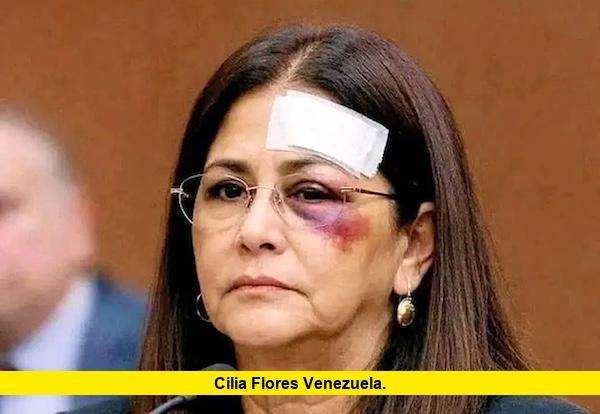

The latest Cilia Flores Venezuela news has drawn renewed attention to the health of former Venezuelan first lady Cilia Flores, who is being held at a federal detention facility in Brooklyn, New York, while facing criminal charges in the United States. According to recent reporting by The New York Times, Flores has lost two teeth during her incarceration, and her legal team believes she may have suffered a mild heart attack after experiencing a serious episode of chest pain and breathing difficulties.
The reported health problems have added another dimension to the legal case involving Flores and her husband, former Venezuelan President Nicolás Maduro. Her lawyers have argued that her medical condition requires specialized attention and have sought permission for her to leave jail under strict home confinement. However, the suspected heart attack has not been medically confirmed, and prosecutors have challenged aspects of the defense’s arguments about her treatment and the need for release.
The case now combines questions about pretrial detention, access to medical care, criminal accountability and the legal proceedings surrounding two prominent figures from Venezuela’s former government.
What to Know About the Latest Cilia Flores News
- Reported dental problems: Flores has reportedly lost two teeth while in federal detention.
- Possible heart attack: Her lawyers believe an episode involving intense chest pressure and difficulty breathing may have been a mild heart attack, but the incident was not conclusively diagnosed.
- Ongoing health concerns: Her defense has described cardiac symptoms, gastrointestinal problems, substantial weight loss and difficulties sleeping.
- Release request: Her earlier request to await trial under home confinement was denied in October 2026.
- Criminal proceedings: Flores and Maduro have pleaded not guilty to the charges against them.
Who Is Cilia Flores? Understanding Her Role in Venezuela
Cilia Flores is a Venezuelan lawyer and longtime political figure who became internationally known through her marriage to Nicolás Maduro. She served as Venezuela’s first lady during Maduro’s presidency and previously held senior positions within the country’s political institutions.
Flores also served as president of Venezuela’s National Assembly from 2006 to 2011, giving her a prominent role in the country’s political system before Maduro assumed the presidency in 2013.
During Maduro’s time in power, Flores was frequently viewed as an influential member of his inner circle. Her political background and proximity to the former president have made her a significant figure in the legal proceedings now unfolding in the United States.
Her current situation, however, is no longer primarily about her former ceremonial role. It centers on federal criminal allegations, her detention in New York and disputes over whether her medical needs can be adequately addressed while she remains incarcerated.
For background on the country’s political institutions, readers can consult the National Assembly of Venezuela’s official website.
What Did The New York Times Report About Cilia Flores’ Health?
Recent reporting has focused on the deterioration of Flores’ reported health during her time at the Metropolitan Detention Center in Brooklyn.
According to the reporting and details attributed to court filings, Flores has experienced several medical concerns since her arrest in January 2026. These include chest discomfort, breathing difficulties, gastrointestinal symptoms, weight loss and the loss of two teeth.
The most serious allegation concerns an episode on July 29, 2026, when Flores reportedly experienced intense pressure in her chest and difficulty breathing for approximately 30 minutes.
Her lawyers believe the episode may have represented a mild heart attack. However, the reported incident was not confirmed through laboratory testing at the time, leaving uncertainty about whether a heart attack occurred and, if so, whether it caused lasting damage.
That distinction is important. A suspected heart attack reported by a defense team is not the same as a confirmed medical diagnosis.
The available information does not establish that Flores has suffered a medically verified heart attack. Instead, it describes an episode that her legal representatives believe may have been a cardiac event and that they cite as evidence of the seriousness of her health concerns.
The report has renewed questions about her access to diagnostic testing, her existing heart condition and the medical arrangements available to her in federal custody.
Why Cilia Flores’ Heart Condition Is a Central Issue
Flores’ defense has said she has a history of mitral valve prolapse, a condition involving one of the valves that controls blood flow through the heart.
Mitral valve prolapse occurs when the valve’s leaflets bulge backward into the heart’s left atrium during contraction. Many people with the condition experience few or no symptoms, while others may require monitoring or treatment depending on the severity of the problem and associated complications.
Her lawyers have argued that her cardiac concerns have become more difficult to manage during incarceration. They have also raised questions about whether she has received the treatment they believe she needs.
The defense has cited chest pain, light-headedness, shortness of breath and other symptoms as reasons for further cardiac evaluation. It has also pointed to a stress test that reportedly had to be stopped because of chest pain and breathing difficulties.
Doctors have reportedly recommended cardiac catheterization, a procedure that allows clinicians to examine the heart and its blood vessels and assess certain cardiovascular problems.
The procedure could help doctors determine whether additional treatment is necessary. However, the precise nature and extent of any cardiac damage remain uncertain based on the publicly reported information.
The dispute is not simply about whether Flores has a preexisting heart condition. It also concerns whether further testing is needed, whether she has agreed to the recommended evaluation and whether her current detention arrangements are appropriate for her medical circumstances.
Cilia Flores Reportedly Lost Two Teeth While in Detention
The reported loss of two teeth is another detail that has attracted attention in the Cilia Flores Venezuela story.
According to accounts of the legal filings, Flores has lost two molars since entering U.S. custody. Her lawyers have cited the dental problems alongside her other medical complaints as part of their argument that her health has deteriorated during detention.
The publicly available reporting does not establish every detail surrounding the loss of the teeth, including the precise medical cause or whether the problem was directly related to the conditions of confinement.
Dental problems can have several possible causes, including existing dental disease, injury and other oral-health complications. Without a documented clinical explanation, it would be premature to attribute Flores’ reported tooth loss to a particular cause.
The issue nevertheless forms part of the broader dispute over her physical condition. Her attorneys have argued that her cumulative health concerns make it difficult for her to recover adequately while remaining in jail.
The reported dental problems also come amid claims of substantial weight loss and disrupted sleep, adding to the picture of the medical difficulties described by her defense.
How Much Weight Has Cilia Flores Reportedly Lost?
Flores’ lawyers have said she has lost more than 25 pounds since her arrest.
That reported figure is significant because substantial, unintended weight loss can be associated with a range of medical issues, including changes in diet, gastrointestinal disorders, stress and underlying illness. The reason for her reported weight loss has not been conclusively established in the public information discussed in the case.
Her defense has also cited reflux and gastritis, which can cause discomfort and may affect eating or sleep in some patients.
Flores has reportedly experienced difficulty sleeping, with her legal team describing nights in which she gets only three or four hours of rest.
Taken together, the reported symptoms have become central to the argument that her condition requires additional medical attention.
However, the claims need to be considered alongside the government’s position. Prosecutors have argued that Flores has access to medical services and have disputed the suggestion that her reported condition automatically warrants release.
The public dispute therefore remains unresolved: her lawyers emphasize the cumulative impact of her symptoms, while prosecutors have challenged the basis for transferring her from detention to home confinement.
What Happened to Cilia Flores During Her Arrest?
Flores was taken into U.S. custody in January 2026 during the operation in Caracas that resulted in Maduro’s capture and transfer to the United States.
Her lawyers have said she suffered injuries during the operation and was recovering from a hysterectomy performed in November 2025 when she was detained.
A hysterectomy is surgery to remove the uterus. Recovery varies according to the type of procedure and a patient’s individual circumstances, but postoperative instructions may include temporary restrictions on physical activity.
The defense has argued that Flores’ recent surgery and subsequent health concerns should be considered when evaluating her detention and medical needs.
Her arrest also marked a dramatic change in the circumstances of a woman who had occupied one of Venezuela’s most prominent political positions for years.
Rather than remaining in Caracas alongside Maduro, Flores became a defendant in a federal criminal case in New York. Her medical condition is now being discussed through court filings, hearings and reporting about her efforts to obtain release before trial.
The precise relationship between her arrest injuries, postoperative recovery and later symptoms remains a matter that must be assessed through medical evidence rather than assumptions.
Why Is Cilia Flores Being Held in a Brooklyn Federal Detention Center?
Flores is being held at the Metropolitan Detention Center, a federal detention facility in Brooklyn, New York.
She and Maduro were transferred to the United States following their January 2026 capture in Caracas. They are being held while their criminal case proceeds through the federal court system.
Pretrial detention is not the same as a criminal conviction. Defendants may remain in custody while awaiting trial when a court determines that release conditions are insufficient to address concerns such as flight risk or danger to the community.
Flores’ lawyers have argued that her medical needs justify allowing her to await trial under tightly controlled home confinement. Prosecutors have opposed that request, raising concerns about the risks they believe her release could present.
Her detention has also attracted attention because of the unusual circumstances of the case. The defendants are prominent former Venezuelan leaders facing serious U.S. allegations, and their prosecution raises questions involving criminal law, international relations and the treatment of defendants who previously held public office.
For information about federal detention and the U.S. justice system, readers can consult the U.S. Department of Justice.
Why Did Cilia Flores Ask to Be Released From Jail?
Flores’ legal team has argued that she should be allowed to await trial under home confinement because of her reported cardiac problems and other health concerns.
The proposed arrangement was described as highly restrictive. According to reporting on the defense request, the plan included round-the-clock armed security, monitoring, restrictions on visitors and recorded communications.
The defense maintained that a controlled residence would allow Flores to receive medical attention and recover from any procedures recommended by her doctors while ensuring that she remained available to the court.
The proposal was not simply a request for unrestricted freedom. It was an attempt to replace jail detention with a tightly supervised arrangement while the prosecution continued.
Prosecutors, however, argued against release. Their concerns included the possibility that Flores could flee, maintain contact with people connected to the allegations or create other risks if permitted to leave the detention facility.
The government also challenged the medical justification for release, pointing to her access to health services and disputes over whether she had cooperated with recommended diagnostic procedures.
A defendant’s medical concerns do not automatically guarantee release from pretrial detention. Courts must weigh the evidence concerning health needs against the legal standards governing detention and any proposed release conditions.
Cilia Flores’ Home-Confinement Request Was Denied
Flores’ request to leave the Brooklyn detention facility and await trial under home confinement was denied in October 2026.
The decision followed arguments from both sides over her medical condition, the availability of treatment and the risks associated with releasing her before trial.
Her lawyers maintained that the reported health problems warranted a different detention arrangement. Prosecutors argued that the conditions proposed by the defense would not adequately address their concerns about flight risk and public safety.
The dispute also raised a practical question: whether a wealthy defendant should be permitted to arrange a private residence and security team while other defendants remain in federal detention.
The court’s decision did not establish that Flores’ reported medical symptoms were fabricated or that every aspect of her health was normal. Rather, the request for release was considered within the legal framework governing pretrial detention.
The denial means that the defense must address her medical concerns within the existing detention and court process unless a subsequent ruling changes her circumstances.
Readers can review the government’s allegations in the official federal indictment, which outlines the charges in the criminal case. The indictment contains allegations, not findings of guilt.
What Charges Do Cilia Flores and Nicolás Maduro Face?
Flores and Maduro face serious federal charges in the United States. An updated indictment unsealed on October 8, 2026, added allegations involving a conspiracy to commit torture to the existing criminal case.
The charges described by the U.S. Department of Justice include:
- Narcoterrorism conspiracy
- Conspiracy to import cocaine into the United States
- Weapons-related offenses
- Conspiracy to commit torture
Prosecutors allege that the defendants participated in activities involving drug trafficking, weapons and the repression of political opponents. The torture-related allegations include claims concerning the treatment of people held in Venezuelan government custody, including U.S. citizens.
Flores and Maduro have pleaded not guilty. Their defense teams have challenged the prosecution, including through arguments involving immunity from prosecution based on their former positions in Venezuela.
The case is especially significant because it involves allegations against people who previously occupied the highest levels of Venezuelan political power.
Nevertheless, the charges remain allegations, and both defendants are presumed innocent unless proven guilty in court.
Official case announcements and procedural updates are available through the U.S. Attorney’s Office for the Southern District of New York.
How Does the Case Affect Venezuela and Its Political Future?
The prosecution of Flores and Maduro has implications beyond the courtroom. Their detention represents a major development in the relationship between the United States and Venezuela and has intensified international attention on the country’s political transition.
Flores’ position as Maduro’s wife and former first lady has made her health and legal status subjects of particular interest. Her medical claims are also being followed because they could influence the conditions under which she remains detained while the case proceeds.
For Venezuelans, the proceedings intersect with wider questions about political accountability, human rights and the future of the country’s institutions.
For the U.S. audience, the case highlights the ability of federal prosecutors to bring charges against foreign nationals when the government alleges that the legal requirements for U.S. jurisdiction have been met.
At the same time, the case presents complex questions involving international law, sovereign immunity and the circumstances under which a former foreign leader or close political associate can be prosecuted in an American court.
The eventual legal outcome could have implications for how the allegations against Flores and Maduro are assessed. However, it would be premature to predict a conviction, dismissal or any particular sentence before the relevant legal questions have been resolved.
What Happens Next in the Cilia Flores Case?
The next developments to watch involve Flores’ medical care, any additional requests concerning detention and the broader criminal proceedings.
Several questions remain important.
First, will doctors confirm whether Flores experienced a heart attack? The reported episode in July has not been established as a confirmed heart attack in the available public account. Further medical evaluation could help clarify the nature of the event and whether it caused lasting damage.
Second, will her lawyers seek another change in detention conditions? The denial of her earlier home-confinement request does not prevent her legal team from pursuing other lawful options if circumstances change or additional evidence becomes available.
Third, how will the court address the defendants’ immunity arguments? Flores and Maduro have sought dismissal of the case on grounds involving their former status as Venezuelan leaders. Those arguments raise legal questions separate from the allegations concerning Flores’ health.
Fourth, when will the criminal trial begin? The proceedings have been reported as scheduled for June 2027, although court calendars and litigation can change. Readers should distinguish the currently reported schedule from a guarantee that every hearing or trial date will proceed as planned.
Developments in these areas will help determine how the case moves forward and whether Flores’ reported medical condition becomes a more significant factor in future court decisions.
Conclusion
The latest Cilia Flores Venezuela developments center on serious health concerns reported by her legal team, including the loss of two teeth and a suspected mild heart attack that has not been medically confirmed. Her lawyers have argued that her condition warrants specialized care and a change in detention arrangements, while prosecutors have challenged her request for release. As the criminal case continues, medical evidence, court rulings and the progress of the prosecution will be essential to understanding what happens next.
What do you think about the latest developments in Cilia Flores’ case? Share your views in the comments and follow future updates as more verified information becomes available.