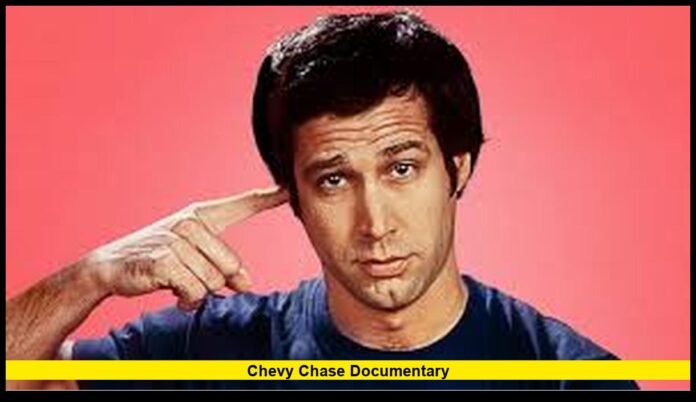

The chevy chase documentary I’m Chevy Chase and You’re Not premiered on January 1, 2026, offering the most revealing and up-to-date examination of the legendary comedian’s life, career, and personal reckoning. The film arrives at a pivotal moment, capturing Chevy Chase not only as a comedy icon, but as an aging public figure confronting health challenges, past decisions, and the complicated legacy he leaves behind.
Rather than focusing solely on career highlights, the documentary presents a layered portrait of success, consequence, and survival. It reflects where Chase stands today, both publicly and privately, and why his story continues to resonate across generations of American audiences.
The Rise of a Comedy Trailblazer
Chevy Chase’s ascent reshaped American comedy at a time when television and film were undergoing dramatic transformation. His early work introduced a confident, sharp-edged comedic style that blended physical humor with intellectual timing. The documentary revisits these formative years, showing how his talent and ambition quickly separated him from his peers.
As one of the earliest breakout stars of late-night sketch television, Chase helped establish comedic rhythms that remain influential today. The film emphasizes how his delivery, confidence, and willingness to take risks made him a defining presence in a rapidly evolving entertainment landscape.
Early Success and the Weight of Expectations
With success came expectations that proved difficult to manage. The documentary explores how sudden fame created pressure to constantly outperform previous achievements. Chase reflects on the challenges of maintaining momentum while navigating an industry that rewards novelty and punishes stagnation.
These early chapters illustrate how ambition, combined with rapid recognition, can create conditions for both brilliance and conflict. The film avoids romanticizing this period, instead presenting success as a force that amplified both strengths and flaws.
Breaking Away and the Consequences of Choice
One of the most significant turning points in Chase’s career involved stepping away from a platform that helped launch him into the spotlight. The documentary revisits this decision with the benefit of hindsight.
Chase speaks candidly about regret, acknowledging that certain choices limited long-term opportunities and strained professional relationships. Rather than assigning blame, the film contextualizes these decisions within the mindset of a performer navigating fame without precedent or guidance.
Hollywood Stardom and Cultural Impact
As his career shifted toward film, Chase became one of the most recognizable comedic faces in America. His performances anchored box office successes and shaped the tone of mainstream comedy for years.
The documentary highlights how these films resonated with audiences by capturing distinctly American humor rooted in confidence, satire, and social observation. At the same time, it examines how the demands of film stardom intensified creative pressure and complicated working dynamics on set.
Professional Conflicts and Creative Tensions
The film does not shy away from examining Chase’s reputation for on-set conflict. It explores moments where personality clashes, creative disagreements, and frustration escalated into lasting disputes.
Chase addresses these incidents directly, reflecting on how his communication style and expectations sometimes alienated collaborators. The documentary balances these reflections with acknowledgment of how industry culture, stress, and ego often collide during high-stakes productions.
These sections are among the most debated, as they challenge viewers to consider accountability alongside context.
Health Crisis That Changed Everything
A major emotional core of the documentary centers on Chase’s life-threatening health emergency in 2021. For the first time, the full impact of this crisis is presented in clear detail.
Chase suffered severe heart failure and spent weeks hospitalized. He was placed in a medically induced coma while doctors worked to stabilize his condition. Survival was uncertain, and the experience permanently altered his health.
The documentary confirms that Chase now lives with ongoing memory difficulties. He discusses how these challenges affect daily life, relationships, and his sense of identity. These revelations add gravity to the narrative, shifting focus from celebrity to mortality.
Read Also-Where Is Holiday Bowl Played
Family at the Center of Recovery
Chase’s wife and daughters provide emotional grounding throughout the film. Their perspectives offer insight into the fear, uncertainty, and resilience that defined the recovery process.
They describe the reality of supporting a loved one through a medical crisis and adapting to lasting changes afterward. Their presence reframes the story, emphasizing family bonds over public image.
These moments highlight how fame fades in importance when confronted with survival and health.
Aging in the Public Eye
As Chase enters his eighties, the documentary transitions into a thoughtful meditation on aging. He reflects on relevance, creative identity, and the challenge of slowing down in an industry built on constant motion.
The film captures quiet moments of introspection where Chase acknowledges physical limitations while expressing a desire to be understood beyond controversy. These reflections humanize a figure long viewed through the lens of performance.
Memory, Identity, and Self-Reflection
Memory loss becomes a recurring theme, not as spectacle but as reality. Chase discusses how gaps in recall affect his understanding of his own past.
These moments reveal vulnerability rarely associated with public figures known for confidence. The documentary allows space for silence and uncertainty, reinforcing the idea that legacy is shaped not only by achievements but by reflection.
Public Reaction and Ongoing Debate
Since its release, the chevy chase documentary has generated strong reactions. Many viewers praise its honesty and emotional depth, noting how it avoids glamorizing fame. Others remain focused on unresolved controversies, debating whether the film goes far enough in addressing past behavior.
What unites these reactions is recognition that the documentary refuses simple narratives. It presents a complex individual whose impact cannot be reduced to praise or criticism alone.
Why the Documentary Resonates Today
The film arrives at a time when American audiences are reassessing cultural icons with greater nuance. It aligns with broader conversations about accountability, personal growth, and how public figures are remembered.
By addressing health, memory, conflict, and reflection, the documentary speaks to viewers navigating similar questions in their own lives. It bridges generational divides by offering context to longtime fans and perspective to newer audiences.
Legacy Beyond Laughter
The documentary ultimately asks what it means to leave a legacy in a culture that continually reexamines its icons. Is legacy defined by creative influence alone, by personal behavior, or by the willingness to confront mistakes openly and without defensiveness? Through Chase’s reflections, the film suggests that legacy is rarely a single, settled judgment, but rather an ongoing conversation shaped by time, context, and self-awareness.
Chase’s story reinforces the idea that legacy is not fixed. It continues to evolve as new truths surface and as individuals gain perspective on their own actions. By highlighting his late-in-life introspection, health challenges, and more candid acknowledgment of past decisions, the film positions his legacy as unfinished and still in motion. Rather than closing the book on his career, the documentary leaves audiences with the understanding that remembrance is shaped not only by what was achieved, but by how honestly a person engages with their past when the spotlight begins to fade.
A Portrait Without Illusions
Rather than offering redemption or condemnation, the documentary provides something rarer: clarity. It allows viewers to see Chevy Chase as a full human being shaped by extraordinary talent, fierce ambition, well-documented missteps, and the resilience required to survive serious personal and health challenges. By placing equal weight on achievement and consequence, the film avoids rewriting history while also refusing to reduce Chase to a single narrative defined by praise or criticism.
This approach is what gives the film lasting impact. It resists sensationalism, avoids forced conclusions, and instead trusts audiences to sit with discomfort, contradiction, and unresolved questions. In doing so, the documentary reflects a more mature way of telling celebrity stories—one that recognizes complexity as essential to understanding legacy and invites viewers to engage thoughtfully with the realities behind fame rather than the myths built around it.
Key Highlights
- A complete career overview grounded in reflection
- First-hand discussion of a life-threatening health crisis
- Honest examination of professional conflicts
- Emotional insight from family members
- A thoughtful look at aging and memory
Final Thoughts
The chevy chase documentary stands as one of the most revealing celebrity portraits of recent years, offering a rare and unfiltered look at a comedy pioneer whose influence helped shape modern American entertainment. It traces Chase’s rise from cultural phenomenon to complex public figure, while also confronting the personal cost of fame, including strained relationships, public controversy, and lasting health challenges. With newly emphasized focus on his near-fatal medical crisis, ongoing memory struggles, and candid self-reflection in his eighties, the documentary captures a man facing his past with greater openness than ever before. By prioritizing honesty over image and reflection over myth, the film delivers a powerful meditation on creativity, accountability, aging, and what it ultimately means to be remembered when the spotlight fades.
What does this documentary change about how you view Chevy Chase and his legacy? Share your thoughts and stay connected for more in-depth entertainment coverage.