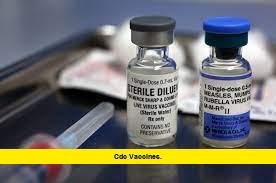

CDC vaccines guidance has undergone a major update, with new recommendations announced in September 2025 that will directly affect childhood immunization schedules across the United States. The Centers for Disease Control and Prevention’s Advisory Committee on Immunization Practices (ACIP) voted to scale back the use of the combined measles, mumps, rubella, and varicella (MMRV) vaccine in children under the age of four, recommending that these children instead receive the MMR and varicella vaccines as separate shots.
This marks one of the most significant shifts in pediatric vaccine policy in recent years, signaling a renewed focus on safety concerns and careful risk management while maintaining strong protection against preventable diseases.
Why the CDC Vaccines Committee Made the Change
The decision came after extended review and deliberation among the CDC’s vaccine advisers. The combined MMRV vaccine has long been a convenient option for families and healthcare providers because it reduces the number of shots children must receive. However, research has shown that children between 12 and 23 months who receive MMRV for their first dose may face a slightly higher risk of febrile seizures compared with those who get the MMR and varicella vaccines separately.
While febrile seizures are generally rare and do not cause long-term harm, the committee determined that the benefit of lowering even a small risk outweighs the convenience of combination dosing. Parents can still choose the combined vaccine, but the new guidance recommends that pediatricians administer the two shots separately until the child is at least four years old.
What Parents Need to Know About the New CDC Vaccines Guidance
The new guidance means that parents will likely notice some changes at pediatric visits:
- More injections: Children under four will now need two separate shots, one for MMR and one for varicella.
- No added cost for most families: Both vaccines remain covered under the Vaccines for Children (VFC) program, ensuring free access for eligible families.
- Safety focus: The update is designed to reduce the small but measurable risk of seizures while maintaining full disease protection.
For parents, the most important step is to talk with their child’s healthcare provider, review the updated schedule, and plan for the slight increase in the number of shots.
Broader Vaccine Policy Debates at the CDC
The update on MMRV is not the only policy under discussion. The CDC vaccines advisory group also considered changes to the hepatitis B vaccine schedule. One proposal under review would delay the first dose for infants whose mothers test negative for hepatitis B until the child is at least one month old. That vote has not yet been finalized, but if approved, it would mark another departure from the long-standing newborn vaccination routine.
The panel is also expected to release updated COVID-19 vaccine recommendations soon, particularly ahead of the fall and winter respiratory illness season. Those changes could further reshape how vaccines are delivered and who is eligible to receive them.
Leadership and Structural Shifts Inside the CDC
These changes to CDC vaccines guidance are happening alongside a dramatic reshaping of the agency’s leadership and advisory bodies. Earlier this year, the Advisory Committee on Immunization Practices was completely restructured, with all 17 previous members dismissed and new members appointed. The move sparked debate in the medical community, with some experts raising concerns about potential politicization of vaccine policy.
At the same time, the CDC has seen a wave of resignations among senior leaders, reflecting broader uncertainty about the agency’s direction. Critics argue that the changes could weaken scientific independence, while supporters say the new structure will make the agency more responsive to public concerns.
State-Level Responses to CDC Vaccines Policy
The shifting guidance has prompted some states to take matters into their own hands. Several regional coalitions, including those on the West Coast and in the Northeast, are developing their own immunization recommendations to provide consistency for residents.
- California, Oregon, Washington, and Hawaii have already announced a unified vaccine strategy for the 2025–26 season covering influenza, COVID-19, and RSV.
- Northeastern states have formed a collaborative public health group to issue their own vaccine guidance, ensuring they can respond quickly to changes at the federal level.
These state-level moves highlight growing differences in how vaccine policy is being shaped and communicated across the country.
What the Updates Mean for Healthcare Providers
For doctors, nurses, and clinics, the new recommendations mean updated patient counseling and adjustments to vaccine inventory. Providers will need to:
- Review vaccination records more carefully to ensure children under four receive separate doses.
- Educate parents about the reasons for the change and reassure them about vaccine safety.
- Prepare for additional appointments and shots, since some families may prefer to space them out.
Healthcare providers remain the most trusted source of vaccine information for families, making their role critical as these new guidelines are rolled out nationwide.
Public Reaction to the CDC Vaccines Changes
Reactions to the changes have been mixed. Some parents welcome the focus on safety and say the added injection is a small price to pay for peace of mind. Others worry that increasing the number of shots could discourage parents from keeping up with the schedule.
Public health experts stress that vaccines remain one of the most effective tools for protecting children and communities from serious diseases. They also emphasize that while the updated guidance requires more shots for young children, it does not change the overall protection level, which remains strong against measles, mumps, rubella, and chickenpox.
Looking Ahead
The next few months will be crucial as the new recommendations are implemented. Pediatricians will be updating schedules, families will be adjusting to slightly different vaccine visits, and policymakers will continue to debate broader questions about the role of federal guidance in shaping public health.
With additional votes expected soon on hepatitis B and COVID-19 vaccines, the landscape of immunization policy in the U.S. is evolving quickly. Parents, providers, and policymakers alike will need to stay informed and prepared to adapt.
Final Thoughts
The CDC vaccines updates mark a turning point in childhood immunization policy, balancing safety concerns with the need to maintain high levels of protection. These changes will require adjustments from parents and providers, but they also reflect ongoing efforts to refine public health strategies. What do you think about the new guidance—does it improve vaccine safety, or add unnecessary complexity? Share your thoughts and join the discussion.