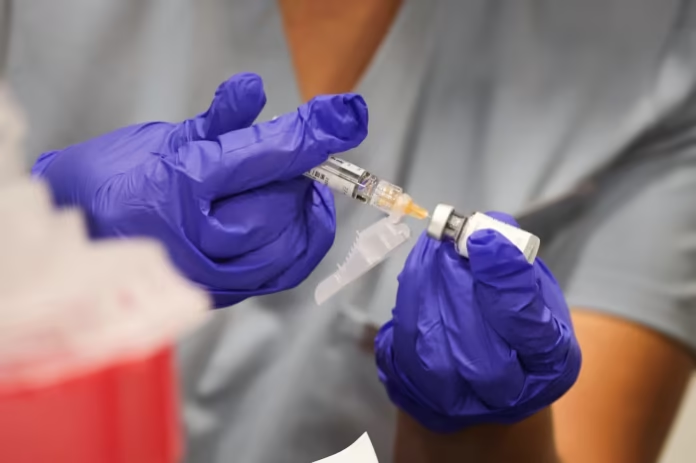

The CDC childhood vaccines schedule for 2026 brings a renewed focus on safety, access, and updated protection against respiratory and viral illnesses affecting American children. The Centers for Disease Control and Prevention has released its latest immunization chart for infants through teens, outlining when and how each vaccine should be administered to keep young people healthy throughout every stage of development.
How the 2026 CDC Vaccine Schedule Is Organized
Each year, the CDC’s Advisory Committee on Immunization Practices reviews scientific data and revises the national vaccination plan to address emerging health concerns. For 2026, the layout of the chart continues its color-coded format: birth through 15 months, early childhood, preteen, and adolescent years. Minor timing updates have been introduced, along with added guidance for respiratory protection.
The 2026 structure covers:
- 14 core diseases prevented through routine childhood vaccines.
- New emphasis on COVID-19 and RSV immunization.
- Clarified intervals for booster doses of MMR, varicella, and meningococcal shots.
- Stronger catch-up protocols for families returning to routine care after missed appointments.
These details ensure that every healthcare provider follows the same standards nationwide, reducing gaps in community immunity.
Vaccines Recommended From Birth to 15 Months
The first year of life includes the highest number of vaccine doses, building foundational immunity while an infant’s immune system matures.
| Age | Vaccine(s) | Purpose |
|---|---|---|
| Birth | Hepatitis B | Protects against liver infection |
| 2 Months | DTaP, IPV, Hib, PCV15 or PCV20, Rotavirus | Combats pertussis, polio, meningitis, pneumonia |
| 4 Months | Repeat of 2-month set | Reinforces immune memory |
| 6 Months | Third DTaP, IPV, PCV, plus flu and COVID-19 | Expands respiratory protection |
| 12–15 Months | MMR, Varicella, Hepatitis A, Hib, PCV booster | Introduces viral defense against measles and chickenpox |
Infants born during or entering their first RSV season may also receive a preventive antibody dose to reduce hospitalization risk. The RSV step is new for 2026, following formal inclusion in the national guidance.
Early Childhood Protection: 18 Months to 6 Years
As toddlers grow, boosters maintain disease resistance. By preschool age, children should have full protection against all core viruses and bacteria on the CDC list.
- DTaP booster: 4–6 years
- Polio (IPV) booster: 4–6 years
- Second MMR and Varicella doses: 4–6 years
- Influenza: every year before winter season
- COVID-19: updated annual formulation for current strains
This period often overlaps with daycare and early school entry, when exposure to contagious illness increases. Up-to-date vaccines protect not only the child but also classmates and teachers.
Preteen Years: 7 to 12 Years
The transition from elementary to middle school brings a new set of vaccines tailored to maturing immune systems and social settings.
- Tdap: single dose at 11–12 years to maintain tetanus, diphtheria, and pertussis immunity.
- HPV series: recommended at 11–12 years, two doses six months apart, providing long-term protection from human papillomavirus-related cancers.
- Meningococcal ACWY: first dose at 11–12 years, targeting bacterial meningitis.
- Flu and COVID-19 boosters: administered annually.
Health providers emphasize the preteen window as the optimal time for immunization before high-school schedules and extracurricular activities make appointments harder to manage.
Adolescence: 13 to 18 Years
Teenagers receive final boosters that extend protection into adulthood.
- Meningococcal ACWY booster: 16 years.
- Meningococcal B optional series: 16–18 years for added protection during college or group housing.
- HPV catch-up: through age 26 for those who missed earlier doses.
- Tdap booster: every 10 years.
- Annual flu and COVID-19: ongoing.
By age 18, most adolescents have completed every vaccine in the CDC schedule, entering adulthood with durable immunity.
New Focus Areas for 2026: COVID-19 and RSV
COVID-19: Pediatric protection continues as a permanent part of the routine schedule. Children six months and older receive an updated dose each year that targets the most recent viral variants. This approach mirrors influenza protocols, allowing quick adaptation when strains shift.
RSV: Infants under eight months and certain high-risk toddlers are eligible for either a preventive antibody or a maternal vaccine benefit, depending on the timing of birth. This addition addresses RSV’s long-standing impact on pediatric hospitalizations, particularly during winter peaks.
These two additions mark the CDC’s expanded commitment to respiratory disease prevention for children and families.
Safety and Monitoring of CDC Childhood Vaccines
Vaccine oversight in 2026 remains stronger than ever. Each immunization undergoes continuous review through federal and clinical safety systems that collect data from pediatric offices nationwide.
Mild effects such as localized redness or temporary fatigue occur frequently and resolve quickly. Severe reactions are exceedingly rare. Every reported event is analyzed to confirm cause and guide improvements.
The U.S. vaccine program’s transparency and decades-long data history give parents confidence that every dose meets the highest safety standards before reaching public clinics.
The Importance of Timely Immunization
Delays in vaccination schedules can create pockets of vulnerability. In 2025, small clusters of measles and pertussis appeared in areas with declining childhood coverage. Public-health experts stressed that catching up on missed doses quickly restores protection and helps prevent community spread.
Timely immunization also keeps school entry smooth. Most U.S. states require documented vaccines for kindergarten, middle school, and college enrollment. Families are encouraged to maintain an updated vaccination record at home and electronically through state health portals.
School and Daycare Requirements Across the U.S.
While regulations differ slightly by state, the foundation remains uniform nationwide. Typical entry requirements include:
- DTaP: five-dose completion.
- Polio (IPV): four doses.
- MMR: two doses.
- Varicella: two doses.
- Hepatitis B: three doses.
- Tdap and Meningococcal: for middle and high-school levels.
Some states now list the COVID-19 vaccine as “recommended but not required,” pending further policy updates. Families should verify state health-department websites before enrollment season begins.
Addressing Common Questions From Parents
Can multiple vaccines be given at once?
Yes. Combination injections and same-day dosing reduce visits without affecting safety.
What if my child misses a shot?
Catch-up guidance ensures no series needs restarting. Doctors calculate new intervals based on age and prior doses.
Is natural immunity enough?
Infections can provide short-term antibodies, but vaccines create longer-lasting defense without risking severe disease.
Do vaccinated children still get sick?
Breakthrough infections can occur, yet vaccinated individuals typically experience milder symptoms and recover faster.
How can parents track vaccines?
Pediatric offices, pharmacies, and health departments issue digital records accessible through state immunization registries.
Improving Access and Equity in 2026
The U.S. Vaccines for Children program continues to supply free doses for families without insurance or with limited coverage. More than half of all U.S. children receive at least one vaccine through this network each year.
To expand reach, mobile clinics and school partnerships remain active in rural regions and urban neighborhoods. Bilingual outreach teams help families understand eligibility and schedule appointments.
In 2026, new digital reminder systems notify parents via text when upcoming shots are due, helping close the gap between scheduled and completed vaccinations.
The Impact of CDC Childhood Vaccines on National Health
Childhood immunizations have prevented millions of infections, thousands of hospitalizations, and countless deaths over the past century. Diseases like polio, diphtheria, and rubella are now nearly eliminated within U.S. borders.
Current CDC modeling projects that maintaining vaccination coverage above 95 percent could avert more than 20 million potential cases of preventable disease over the next decade. The protection extends beyond vaccinated individuals, safeguarding infants too young for shots and those with medical conditions that limit immune response.
Vaccines are also economically beneficial. Each dollar spent on childhood immunization saves an estimated $10 in healthcare costs, reducing strain on emergency rooms and family budgets.
Pediatrician Guidance for 2026
Healthcare providers continue encouraging early discussions with families beginning during pregnancy or the newborn stage. Pediatricians recommend scheduling well-child visits around immunization milestones to avoid last-minute rushes before school deadlines.
They also highlight open communication—parents who ask questions gain a better understanding of why each vaccine matters. Clinicians are trained to explain both benefits and potential mild side effects clearly, ensuring informed consent and trust.
Digital Tools for Families
Technology plays a growing role in vaccine management. Several states have launched secure apps where parents can:
- Review completed vaccinations.
- Receive automatic booster alerts.
- Download proof of immunization for school or travel.
These digital systems reduce paperwork and help families moving between states maintain continuous records.
Looking Ahead: The Future of Childhood Immunization
The CDC’s 2026 roadmap outlines continued efforts to integrate new vaccines as science evolves. Candidates under study include updated pneumococcal combinations, expanded flu protection, and universal coronavirus formulations.
Artificial-intelligence tracking tools are also being developed to detect early signs of outbreak clusters and adjust vaccine distribution faster than before.
Public-health leaders emphasize that vaccines will remain the cornerstone of preventive medicine, bridging technology, science, and community trust.
The 2026 CDC childhood vaccines schedule reinforces one clear message: timely immunization protects every generation. Which vaccine update stands out most to you this year? Share your thoughts below.