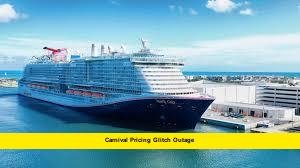

A wave of confusion swept through the cruise industry this week after the carnival pricing glitch outage disrupted online reservations and exposed unusually low fares across multiple sailings. Travelers rushed to secure heavily discounted trips before many of those bookings were later voided, creating frustration among customers who believed their vacations had already been confirmed.
The technical disruption affected Carnival’s booking infrastructure during a period of scheduled maintenance, according to reports from travelers and travel advisors. What initially appeared to be a short-term website issue quickly escalated into a broader reservation problem that impacted pricing displays, payment systems, and customer accounts.
Many customers said they received valid booking confirmations after purchasing cruises at dramatically reduced rates. Hours later, cancellation notices reportedly began appearing in inboxes as the company attempted to correct the system error.
The incident rapidly gained attention online, where screenshots of low-cost cabins circulated across travel communities and social media platforms.
Travelers Spot Deeply Discounted Cruise Fares
The situation unfolded when customers browsing Carnival’s website discovered cruise deals that seemed far below standard market pricing. Some itineraries reportedly included balcony cabins and multi-day sailings listed at prices rarely seen in the industry.
Within minutes, cruise fans began sharing screenshots of the offers online. Travelers described a surge of activity as users hurried to finalize reservations before the prices disappeared.
Some passengers claimed they successfully completed transactions, received booking numbers, and even accessed reservation details through their customer accounts. Others reported payment processing failures and repeated website crashes while trying to secure deals.
The sudden flood of traffic appeared to intensify the platform’s technical instability, leading to longer outages and additional customer confusion.
Reservations Canceled After System Review
As the company worked to stabilize its booking systems, travelers began receiving notifications that certain reservations would not be honored. The cancellations reportedly affected bookings tied to incorrect pricing generated during the outage period.
For many customers, the reversal sparked anger and disappointment.
Several travelers had already begun making vacation plans after receiving confirmations. Some said they requested leave from work, researched excursions, or explored airfare options before learning the reservations had been canceled.
Online discussions quickly became divided between travelers who believed the company should honor the advertised fares and others who argued the prices were clearly accidental.
Mistake fares have long been a controversial issue in the travel business. Airlines, hotels, and cruise operators occasionally experience technical failures that produce inaccurate pricing for a short window before corrections are made.
In many cases, companies reserve the right to cancel transactions involving obvious pricing errors.
Cruise Industry Technology Under Pressure
The outage highlighted the growing dependence of modern cruise lines on large-scale digital systems. Cruise vacations are now managed through interconnected platforms that control reservations, payments, cabin inventory, loyalty programs, onboard purchases, mobile applications, and guest communication.
When even one section of that infrastructure experiences problems, the impact can spread rapidly across multiple customer-facing services.
Industry analysts say cruise companies face mounting pressure to maintain stable online experiences as more travelers shift toward mobile bookings and digital vacation planning.
Guests now expect real-time cabin availability, instant payment processing, mobile check-in tools, and seamless itinerary management. Any disruption can quickly damage customer trust, especially during high-demand booking periods.
The latest booking controversy has also intensified discussions about how travel companies handle public relations during technical failures.
Consumers increasingly share their experiences online within minutes, allowing outages and pricing mistakes to trend across social media platforms before companies can fully respond.
Customer Service Teams Face Heavy Demand
As news of the pricing issue spread, customer service departments reportedly faced a surge in calls and online inquiries from confused travelers seeking answers about their reservations.
Many customers expressed frustration over long wait times and inconsistent information regarding cancellations, refunds, and compensation options.
Travel advisors were also affected by the disruption. Some agents reported difficulty accessing booking systems or assisting clients while the outage continued.
For professional travel planners, system instability can create additional complications because cruise reservations often involve bundled vacation components such as flights, hotels, transportation, and insurance.
Even a temporary disruption can trigger broader scheduling problems for travelers attempting to coordinate complete vacation packages.
Growing Debate Over Mistake Fare Policies
The incident reignited a long-running debate in the travel industry over whether companies should honor obvious pricing errors.
Some travelers argue that once payment has been accepted and confirmation emails have been issued, companies should complete the booking regardless of the mistake.
Others believe businesses should retain the ability to cancel transactions involving technical glitches that create unrealistic pricing.
Consumer expectations often vary depending on the size of the discount and the circumstances surrounding the error. Minor discrepancies may receive different reactions than deeply discounted vacations worth thousands of dollars below normal rates.
Legal standards can also differ depending on jurisdiction, company policy, and the specific terms accepted during the booking process.
Travel experts note that many companies include clauses allowing cancellation of reservations resulting from system errors or inaccurate pricing displays.
Even so, public perception often becomes the larger challenge. Travelers who feel disappointed or misled may share negative experiences widely online, potentially affecting brand reputation long after the outage ends.
Cruise Demand Remains Strong Despite Disruptions
Despite the controversy, demand for cruise vacations continues to remain high across much of the industry.
Major cruise operators have reported strong booking activity as travelers continue prioritizing leisure vacations and international travel experiences. Caribbean itineraries, Alaska sailings, and Mediterranean cruises remain particularly popular among passengers seeking multi-destination vacations.
The cruise sector has invested heavily in larger ships, upgraded onboard entertainment, expanded dining options, and improved digital services to attract new travelers.
However, the growing reliance on technology has also increased operational complexity.
Booking platforms must constantly process changing fare structures, promotional campaigns, loyalty rewards, occupancy targets, and regional pricing strategies. Even small software problems can generate large-scale consequences if errors spread across live reservation systems.
The recent outage serves as another reminder of how quickly digital disruptions can escalate within the travel industry.
Travelers Urged to Take Precautions During Booking Glitches
Industry experts recommend caution whenever travelers encounter deals that appear dramatically lower than typical pricing, especially during periods of known technical instability.
Vacationers are often advised to wait before making non-refundable travel arrangements until reservations have been fully verified and ticketed.
Experts also encourage travelers to keep copies of confirmation emails, fare details, payment receipts, and screenshots during online bookings.
Using credit cards with travel protection features may also provide additional safeguards in situations involving canceled reservations or disputed transactions.
Travel advisors frequently recommend monitoring official company announcements during outages instead of relying entirely on social media speculation, where inaccurate information can spread quickly.
Social Media Amplifies Travel Industry Controversies
The speed at which the story spread demonstrates how social media now shapes customer reactions during major travel disruptions.
In previous years, pricing errors might have affected a relatively small number of travelers before being corrected quietly. Today, screenshots and booking tips can circulate globally within minutes.
Online travel communities played a major role in amplifying awareness of the glitch, with users sharing fare examples, discussing cancellation notices, and debating company policies in real time.
The viral nature of such incidents can place enormous pressure on companies to respond quickly and transparently.
Travel brands increasingly operate in an environment where customer service interactions, technical failures, and pricing mistakes become public conversations almost immediately.
That reality has forced many companies to invest more heavily in crisis communication strategies alongside technology upgrades.
Questions Remain After the Booking Disruption
Although booking systems gradually returned to normal operations, questions remain about how the outage unfolded and how similar incidents might be prevented in the future.
Customers affected by canceled reservations continue discussing the situation across travel forums, while industry observers examine the broader implications for cruise booking technology.
The controversy also underscores the delicate balance cruise operators must maintain between automated pricing systems, customer expectations, and operational reliability.
As digital travel platforms become more advanced, companies may face increasing scrutiny whenever technical issues interfere with consumer transactions.
For travelers, the incident serves as both a cautionary tale and a reminder of how quickly online booking opportunities can change during system outages.
The cruise industry continues moving toward more connected, technology-driven experiences, but recent events show that even sophisticated systems remain vulnerable to unexpected disruptions.