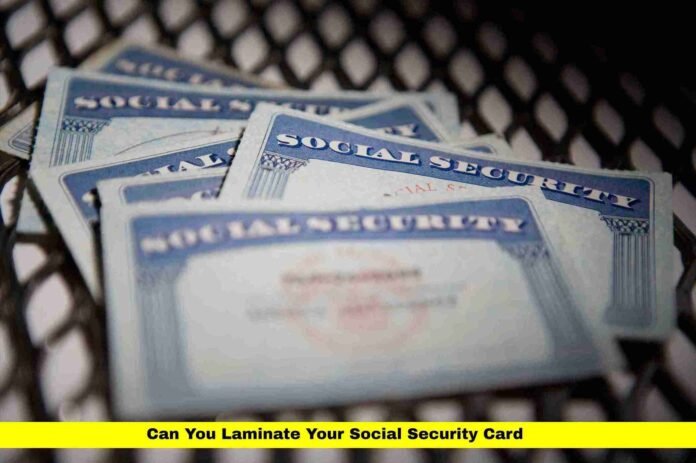

Can you laminate your Social Security card is a question many Americans are asking as identity protection and document preservation become more important in everyday life. With increased use of Social Security numbers for employment, benefits, and financial verification, people want to protect their original card from damage, loss, or wear. However, federal guidance on this issue is often misunderstood, leading to confusion about what is allowed and what can cause problems later.
This detailed report explains the current, verified position on laminating this document, why the issue matters, and what safer alternatives exist for protecting it.
Why This Question Comes Up So Often
A Social Security card is printed on thin paper. Over time, it can tear, fade, or become damaged from moisture. Many people assume lamination is the best way to preserve important documents, especially IDs and certificates.
At the same time, employers, government agencies, and financial institutions sometimes require inspection of the original card. This creates concern that altering it could make it unacceptable for official use.
The Official Position on Laminating the Card
The Social Security Administration does not recommend laminating the card. While there is no criminal penalty simply for laminating it, the agency has long advised against it because lamination can interfere with security features embedded in the document.
These features help confirm authenticity. When covered with plastic, they may become difficult or impossible to inspect. As a result, some organizations may refuse to accept a laminated card as valid proof.
Why Lamination Can Cause Problems
Lamination permanently alters the physical structure of the card. Once sealed in plastic, the paper cannot be examined directly. This matters because:
- Security patterns may be obscured
- The card cannot be scanned or inspected properly
- Heat from lamination can damage ink or fibers
Some employers and agencies follow strict verification rules. If they cannot confirm authenticity, they may request a replacement card.
Employment Verification Concerns
When starting a new job, employees often need to prove identity and work authorization. A Social Security card is one of the accepted documents for this purpose.
While some employers accept laminated cards without issue, others may reject them to avoid compliance risk. This can delay onboarding and create unnecessary stress.
Using the Card for Government Services
Federal and state agencies may require presentation of the original card for benefit enrollment or record updates. A laminated version could raise questions, especially if staff are trained to look for specific physical features.
If an agency doubts the document’s validity, they may request a replacement before proceeding.
Is Lamination Ever Explicitly Illegal?
There is no federal law that makes laminating the card a crime. The issue is not legality but usability. A laminated card can still be genuine, but its altered condition may limit acceptance.
This distinction is important. People often confuse “not recommended” with “illegal,” which are not the same.
Why Replacement Cards Are Easy to Obtain
Because of these concerns, the Social Security Administration allows individuals to request replacement cards when needed. This process exists specifically to address lost, damaged, or altered cards.
A laminated card may be considered altered for practical purposes, even if the information remains accurate.
How Many Replacement Cards Are Allowed
Individuals can receive a limited number of replacement cards over their lifetime, with some exceptions. This policy encourages careful handling of the original document.
Unnecessary replacements due to lamination issues can reduce flexibility later if a card is genuinely lost.
Better Ways to Protect the Card
Instead of lamination, experts recommend safer storage methods that do not alter the document. These options preserve the card while keeping it acceptable for official use.
Popular alternatives include:
- Keeping it in a secure folder or envelope
- Storing it in a fireproof home safe
- Using a protective sleeve without sealing
These methods prevent damage without changing the card itself.
Should You Carry It Daily?
Most experts advise against carrying the card in your wallet. Daily carry increases the risk of loss or theft. The card is rarely needed for routine activities.
Instead, it should only be brought out when specifically required, such as for employment or benefit verification.
Digital Records and Photocopies
Some people keep a photocopy or digital image for reference. This can be useful for remembering the number, but it does not replace the original card for official purposes.
Photocopies are generally not accepted as proof and should not be used in place of the actual document.
Identity Theft Considerations
Protecting the card is also about protecting the number printed on it. Lamination does not prevent identity theft. In fact, carrying it more often because it feels “protected” can increase risk.
Secure storage and limited exposure remain the best defenses.
What to Do If Your Card Is Already Laminated
If you have already laminated the card, there is no need to panic. Many people continue to use laminated cards without immediate problems.
However, if an employer or agency refuses to accept it, requesting a replacement is usually the simplest solution.
When a Replacement Is the Best Option
A replacement may be necessary if:
- The laminated card is rejected
- The card is damaged or unreadable
- Information needs correction
Requesting a replacement ensures full acceptance going forward.
Common Myths About Lamination
Several misconceptions continue to circulate. One myth claims lamination automatically invalidates the card. Another suggests it triggers penalties.
Neither is true. The real issue is practical acceptance, not punishment.
Why Official Guidance Has Not Changed
The recommendation against lamination has remained consistent for years. As document security becomes more important, preserving original features matters more than ever.
This consistency helps agencies maintain uniform verification standards.
Long-Term Storage Best Practices
For long-term protection, choose a dry, secure location away from heat and sunlight. Avoid folding the card, as creases can weaken the paper.
Periodic checks help ensure it remains in good condition.
What Employers and Agencies Look For
Verification staff often look for:
- Original paper texture
- Clear printing
- Visible security elements
Anything that interferes with these checks can raise concerns.
The Bottom Line for U.S. Residents
The safest choice is not to laminate the card. While not illegal, lamination can limit acceptance and lead to avoidable complications.
Protecting the card without altering it ensures smooth interactions with employers and agencies.
Final Thoughts
Understanding whether you can laminate your Social Security card helps prevent delays, stress, and unnecessary replacements. Smart storage, limited handling, and awareness of official guidance are the best ways to protect this critical document.
Have you ever faced issues with document verification, or do you have tips for keeping important records safe? Share your thoughts and stay informed.