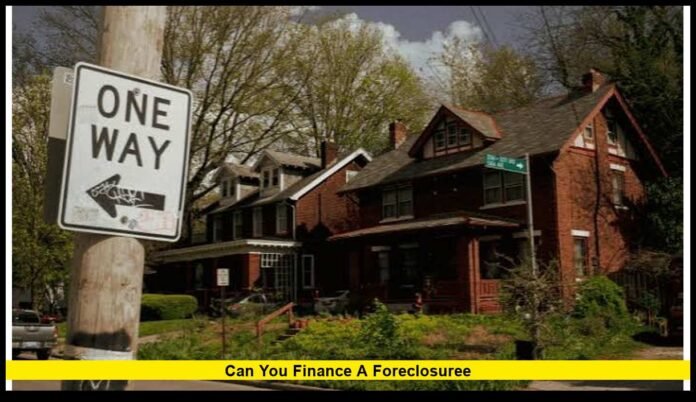

Can you finance a foreclosure? Yes, buyers across the United States can purchase many foreclosed homes with mortgage financing, provided they meet the lender’s requirements and the property qualifies for the selected loan program. Conventional mortgages, FHA loans, eligible VA and USDA loans, and specialized renovation mortgages can help buyers purchase properties that lenders or other owners have recovered through foreclosure. However, financing options depend on the home’s condition, the seller’s requirements, the buyer’s financial profile, and the type of foreclosure sale.
Foreclosed homes can attract buyers because some sell below comparable properties in the same market. Yet a discounted asking price does not necessarily mean the home represents a good investment. Deferred maintenance, structural damage, title complications, and strict auction deadlines can increase the total cost or prevent mortgage approval.
Understanding how foreclosure purchases work can help prospective homeowners choose a suitable loan, prepare the necessary funds, and avoid committing to a property they cannot finance.
What Is a Foreclosed Property?
A foreclosure occurs when a homeowner defaults on a mortgage and the lender pursues the legal process to recover the property. The exact procedure depends on state law, the mortgage documents, and the circumstances surrounding the default.
Foreclosed properties generally appear in three stages.
Pre-foreclosure properties: The homeowner still owns the property, but foreclosure proceedings may have started. A buyer may negotiate a purchase with the homeowner, subject to any required lender approvals and applicable legal conditions.
Auction properties: The home is offered through a foreclosure sale conducted under the applicable legal process. Buyers must follow the sale’s payment deadlines and other conditions.
Bank-owned properties: When a lender or another entity takes ownership after foreclosure, the property may become real estate owned, commonly called REO. These homes are often marketed through real estate agents or property-sale platforms.
The distinction is important because each stage involves different sellers, deadlines, and financing considerations.
A bank-owned property sold through a standard real estate transaction often provides more time for mortgage approval than an auction purchase. Buyers who need a conventional home loan should understand the sale process before submitting an offer.
Which Mortgage Options Are Available for Foreclosed Homes?
The mortgage programs available for a foreclosure depend on the buyer’s qualifications, property condition, occupancy plans, and lender requirements.
1. Conventional Mortgages
A conventional mortgage is a practical option for purchasing many bank-owned homes in reasonable condition.
These loans may follow requirements established by Fannie Mae or Freddie Mac, although other conventional mortgage products are also available. Lenders generally evaluate the borrower’s income, credit history, existing debts, available assets, and ability to repay the loan.
Some eligible conventional mortgage programs permit down payments as low as 3%. Other transactions require larger down payments depending on the property, occupancy, borrower qualifications, and loan terms.
The property must also satisfy the applicable appraisal and lending requirements. A home with a functioning roof, safe electrical systems, working plumbing, and acceptable structural conditions may be suitable for conventional financing.
However, a foreclosure with significant damage may not qualify for a standard mortgage until the necessary problems are addressed.
Buyers should obtain mortgage preapproval and explain that they intend to purchase a foreclosed property. This allows the lender to identify potential restrictions before the buyer makes a financial commitment.
2. FHA Loans
Federal Housing Administration-insured mortgages can help eligible borrowers purchase qualifying foreclosed homes for use as their primary residences.
FHA financing offers a down payment as low as 3.5% for eligible borrowers who satisfy the applicable credit and underwriting requirements. Borrowers must also account for mortgage insurance, closing costs, and other expenses.
The home must meet FHA property standards. The appraisal process can identify conditions that affect safety, security, structural soundness, or eligibility for financing.
For example, a foreclosed home with cosmetic damage may still qualify, depending on the circumstances. Serious roof leaks, unsafe wiring, major structural defects, or other significant hazards may require repairs before the lender can approve the mortgage.
Buyers should not assume that every inexpensive foreclosure qualifies for an FHA loan. They should ask an FHA-approved lender to assess the property’s condition and determine whether the expected purchase can proceed.
3. FHA 203(k) Rehabilitation Loans
An FHA 203(k) rehabilitation mortgage may help buyers finance both an eligible property’s purchase and qualifying repair expenses.
This option is particularly relevant when a foreclosure needs improvements that would prevent it from qualifying for an ordinary mortgage.
The program has two main versions:
- Limited 203(k): Covers eligible smaller-scale improvements and nonstructural repairs.
- Standard 203(k): Supports more extensive rehabilitation, including eligible structural work.
Under current program rules, the Limited 203(k) allows up to $75,000 in eligible rehabilitation costs. The Standard 203(k) generally requires at least $5,000 in rehabilitation costs and involves additional requirements. Applicable FHA loan limits and other program conditions still apply.
The lender reviews the proposed work, contractor estimates, project documentation, and borrower eligibility. Rehabilitation funds are administered under the program’s requirements rather than provided as unrestricted cash.
This financing may make a damaged property more accessible to buyers who can manage a renovation project. However, buyers must carefully estimate the cost and duration of the work before deciding whether the property is affordable.
4. VA Home Loans
Eligible veterans, service members, and certain surviving spouses may qualify for VA-backed financing when purchasing a qualifying foreclosure.
VA purchase loans can provide a no-down-payment option when the borrower meets the program’s requirements and has sufficient entitlement. Lender approval remains necessary, and buyers may still have closing costs and other expenses.
The property must satisfy applicable VA minimum property requirements. Serious defects that affect safety or habitability may complicate approval.
A VA-experienced lender can explain whether a particular foreclosed home is suitable for the program and what repairs, if any, could affect the transaction.
5. USDA Home Loans
The USDA Single Family Housing Guaranteed Loan Program can offer eligible borrowers 100% financing for qualifying homes in eligible areas.
The program includes income limits, occupancy requirements, property eligibility standards, and lender underwriting requirements.
A foreclosure does not qualify automatically because of its location. Buyers must verify that the property and their financial circumstances satisfy the current program rules.
USDA financing may be worth investigating for buyers purchasing an eligible primary residence outside major metropolitan areas. However, property condition and loan approval remain important considerations.
Can You Finance a Foreclosure at Auction?
Financing a foreclosure auction purchase can be difficult because auction rules often impose strict payment deadlines.
Some sales require a deposit immediately after the winning bid, followed by payment of the remaining balance within a specified period. Depending on the jurisdiction and sale terms, payment may be due within days or another short timeframe.
Traditional mortgage financing involves several steps, including appraisal, underwriting, title review, and final approval. These processes may not finish before an auction’s deadline.
Some auctions accept financing under particular conditions, but buyers must verify the rules before bidding. They should never assume they can obtain a mortgage after winning the property.
Potential consequences of missing a payment deadline include losing the deposit or facing other penalties under the applicable sale terms.
Before participating, buyers should investigate title issues, inspection restrictions, occupancy status, redemption rights, and the exact payment requirements. A real estate attorney familiar with local foreclosure procedures can help explain the risks.
For buyers who depend on conventional financing, a bank-owned property offered through a standard real estate listing is often a more manageable option.
How Much Money Do You Need to Buy a Foreclosure?
The required amount depends on the property’s price, mortgage program, down payment, closing expenses, and repair needs.
A buyer using an eligible low-down-payment mortgage may need less cash upfront than someone purchasing a home at auction. Nevertheless, the down payment does not represent the full cost of buying a foreclosure.
Common expenses include:
- Down payment and closing costs.
- Home inspection and appraisal fees.
- Property taxes and homeowners insurance.
- Mortgage insurance, when applicable.
- Immediate repairs and ongoing maintenance.
- Moving expenses and utility deposits.
- Additional savings for unexpected problems.
Some eligible VA and USDA borrowers may qualify for mortgages without a down payment. However, they may still need funds for closing expenses and other costs.
Seller concessions can cover certain eligible expenses when the seller agrees and the mortgage program permits them. Qualified buyers may also have access to down-payment assistance programs.
Before making an offer, ask the lender to calculate the estimated cash required to close. Maintain additional savings for repairs instead of committing every available dollar to the purchase.
What Credit Score Do You Need?
There is no single credit score requirement for all foreclosure purchases. Requirements depend on the mortgage program, lender, down payment, and broader financial circumstances.
FHA guidelines generally allow maximum financing for eligible borrowers with credit scores of 580 or higher. Borrowers with scores between 500 and 579 may qualify under FHA rules with a larger down payment, although individual lenders may impose stricter standards.
Conventional mortgages follow their own underwriting criteria. VA and USDA loans also involve program-specific eligibility requirements and lender assessments.
Lenders may review income stability, existing debt obligations, available reserves, and payment history alongside the credit score.
A foreclosure property does not automatically require a higher credit score than another home financed under the same mortgage program. However, property damage or other eligibility concerns can affect approval.
Prospective buyers should review their credit reports, correct errors, and avoid taking on unnecessary debt while applying for a mortgage.
How to Get a Foreclosure Mortgage Approved
A structured approach can reduce delays and help buyers identify financing problems before closing.
Step 1: Determine Your Budget
Calculate a comfortable monthly payment and include property taxes, insurance, mortgage insurance where applicable, utilities, and maintenance. Set aside money for unexpected repairs.
Step 2: Obtain Preapproval
Compare lenders and ask about suitable mortgage programs. Provide accurate information about your income, debts, assets, and intended property purchase.
Step 3: Find an Eligible Property
Search for bank-owned homes and other foreclosure listings. Confirm that the seller accepts financed offers and that the home can be inspected.
Step 4: Inspect the Property
A professional inspection can help identify defects and estimate repair costs. The lender’s appraisal serves a different purpose by evaluating value and loan-related property requirements.
Step 5: Review the Purchase Contract
Understand financing deadlines, deposit requirements, inspection provisions, and appraisal conditions. Some institutional sellers use contracts that restrict a buyer’s ability to negotiate certain terms.
Step 6: Complete Underwriting
The lender verifies the borrower’s financial information and evaluates the property. Additional documents, repairs, or assessments may be necessary before approval.
Step 7: Prepare for Closing
Review the final loan terms, closing costs, title information, and required funds. Ensure the mortgage is approved and all contractual and legal requirements have been satisfied before completing the purchase.
What Risks Should Buyers Consider?
Foreclosures can involve challenges that buyers might not encounter in an ordinary home purchase.
Hidden property damage: Vacant homes may have water leaks, vandalism, neglected maintenance, or damaged mechanical systems. Repairs can significantly increase the total cost.
Appraisal differences: If the appraised value falls below the purchase price, the lender may base its loan calculation on the lower value. The buyer may need additional funds or a negotiated solution.
Title problems: Liens, ownership disputes, and other claims may affect a transaction. A title review helps identify potential complications, although the legal effect of a foreclosure varies by circumstance.
Financing delays: Missing documents, repair requirements, and appraisal issues can delay closing. Buyers should understand their contractual deadlines.
Unexpected ownership costs: A low purchase price does not eliminate property taxes, insurance, maintenance, or renovation expenses.
Careful due diligence, an appropriate mortgage, and sufficient financial reserves can help buyers manage these risks.
Where Can You Find Foreclosed Homes?
Buyers can search for properties through several established channels.
Fannie Mae’s HomePath platform lists eligible Fannie Mae-owned properties. HUD’s Home Store offers properties owned by the U.S. Department of Housing and Urban Development. Banks, mortgage servicers, real estate agents, and multiple listing services may also advertise foreclosed homes.
Buyers should confirm the ownership status, seller requirements, condition, and financing eligibility of each property. A listing alone does not guarantee that the home qualifies for a particular mortgage.
Final Verdict: Is Financing a Foreclosure a Good Choice?
Financing a foreclosure can help buyers purchase a home without paying the entire purchase price upfront. Conventional, FHA, VA, USDA, and rehabilitation mortgages may provide suitable options when borrowers and properties meet the applicable requirements.
The most practical route for many mortgage-dependent buyers is a bank-owned home sold through a standard real estate transaction. Auction purchases require additional caution because their payment deadlines may not accommodate traditional mortgage processing.
Before buying, compare the full cost of ownership, confirm mortgage eligibility, investigate the property’s condition, and keep enough savings for unexpected expenses.
Have you considered buying a foreclosed property? Share your thoughts in the comments and stay informed about the latest U.S. mortgage and housing developments.