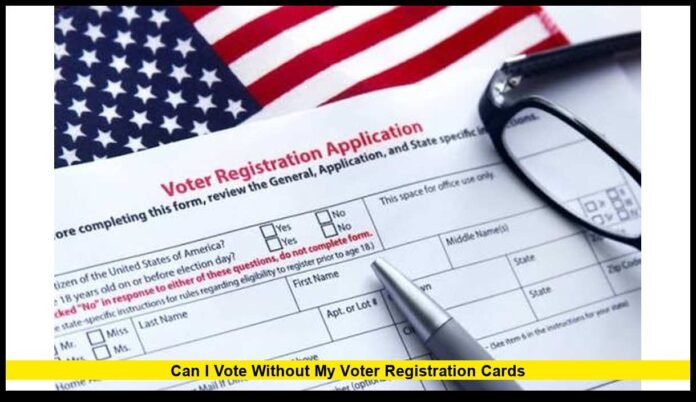

If you are wondering can i vote without my voter registration card, the answer is generally yes. Most registered voters in the United States can cast their ballots without presenting a physical voter registration card at their polling place. However, state election laws determine which identification documents, registration checks, and other procedures voters must follow before receiving a ballot.
A voter registration card is usually a record of your registration information rather than a mandatory document for voting. Election officials typically use official voter registration records to confirm eligibility. Therefore, losing your card, leaving it at home, or never receiving one does not automatically prevent you from participating in an election.
Understanding the difference between registration, identification, and voting eligibility can help you prepare for Election Day. Whether you are a first-time voter, have recently moved, or simply cannot find your registration card, knowing the rules can help you avoid unnecessary delays.
Is a Voter Registration Card Mandatory for Voting?
In most situations, a voter registration card is not mandatory when you arrive at your polling place. The card may contain your name, residential address, registration information, or polling location, depending on the state that issued it.
Election officials generally maintain official records that allow them to verify registered voters. When you arrive, a poll worker may ask for your name, address, signature, or identification before checking your eligibility.
The procedure differs across jurisdictions. Some states rely on electronic voter records, while others use printed voter lists or a combination of systems.
For example, Michigan does not require voters to present their voter registration cards at the polls. Texas voters generally do not need to bring their voter registration certificates either, although applicable voter identification rules still apply.
The important point is that a registration card and a government-issued ID are not necessarily interchangeable. You may be able to vote without your registration card while still being required to prove your identity through another accepted method.
Can You Vote If You Forgot Your Registration Card at Home?
For most registered voters, forgetting a registration card is not a reason to abandon their plans to vote.
You can generally go directly to your assigned polling place and follow the normal check-in procedure. Election workers will search the official registration records and determine whether you are eligible to receive a ballot.
Before leaving home, check your state’s identification requirements. Bringing an acceptable driver’s license, state identification card, passport, or another permitted document can make the process easier when identification is required.
If you do not have your registration card, you should still know your full name and residential address as they appear in your registration records. This information can help election officials locate your record.
If a poll worker asks for a document you do not have, calmly explain the situation and ask what alternatives are available. Procedures differ by state, so the appropriate next step depends on local election law.
Can You Vote Without a Voter Registration Card and Without ID?
Whether you can vote without either document depends on where you live.
Some states do not generally require voters to present a physical identification document at the polling place. Instead, election officials may verify identity through voter registration records, signatures, affidavits, or other authorized procedures.
Other states require specific forms of identification but provide alternatives for voters who cannot present them.
Michigan, for example, permits voters who do not have acceptable photo identification to sign an affidavit affirming that they lack the required identification. Other states may allow a provisional ballot or require additional verification.
Do not assume that the rules in another state apply to you. Before voting, review the requirements for your state and contact your local election office if you are uncertain.
Even where photo identification is not generally required, you must still meet applicable eligibility requirements. Rules concerning citizenship, age, registration, residency, and other qualifications remain relevant.
What Identification Documents Might You Need?
The documents accepted for voter identification vary by state. Depending on local requirements, acceptable options may include:
- A state-issued driver’s license.
- A state identification card.
- A U.S. passport.
- A military identification card.
- An eligible tribal identification document.
- Another government-issued photo identification document.
- Certain non-photo documents displaying your name and address, where permitted.
Some states have strict photo ID requirements, while others accept additional documents or use different identity-verification procedures.
A utility bill, bank statement, paycheck, or government document may qualify under certain rules, particularly for specific first-time voters. However, these documents are not universally accepted as substitutes for photo identification.
Before visiting the polls, verify which documents your state accepts. If your identification has expired, contains an old address, or displays a different name, ask election officials whether it remains acceptable under the applicable rules.
What Happens If Your Name Is Missing From the Voter List?
A missing name on the voter list requires attention, but it does not always mean that you are ineligible to vote.
Several circumstances may explain the problem. You might be at the wrong polling location, your registration information may have changed, your application may not have been processed, or the election records may contain an error.
Start by asking a poll worker to verify your information. Confirm your address and explain whether you recently registered, moved, or changed your name.
If your registration cannot be located, ask officials to check whether you are at the correct precinct and whether another verification process is available.
Depending on state law and your circumstances, you may qualify to cast a provisional ballot. This ballot is set aside while election officials determine whether it can be counted.
A provisional ballot is not automatically counted in every case. You may need to provide additional information or complete a required step within a specific deadline.
Before leaving the polling place, ask how to check your ballot’s status and whether any additional action is necessary.
How to Check Your Voter Registration Before Election Day
Checking your registration before Election Day can help you identify problems while there is still time to address them.
Start by using your state’s official voter registration lookup service. Enter the requested information and review your registration status, name, residential address, and assigned polling location.
If the records appear incorrect or your registration cannot be found, contact your local election office. Officials can explain whether your application was processed and what steps may be available to resolve the issue.
Pay particular attention if you have moved recently. Updating your driver’s license or changing your address with another government agency does not necessarily update every election record automatically.
You should also confirm registration deadlines. Some states offer same-day registration or other options for eligible voters, while others require voters to register before a specified deadline.
If you recently submitted an application, do not assume that it was approved simply because you completed the online form. Confirm your registration status before Election Day whenever possible.
Can First-Time Voters Vote Without a Registration Card?
First-time voters can generally vote without carrying a physical registration card if they have registered successfully and meet the applicable requirements.
However, federal law establishes identification requirements for certain first-time voters who registered by mail and did not provide the required identification information during registration.
Depending on the circumstances, these voters may need to present an acceptable photo ID or a qualifying document showing their name and address. Examples can include certain utility bills, bank statements, government checks, paychecks, or government-issued documents.
The requirements depend on the voter’s circumstances and applicable state procedures. First-time voters should verify whether additional identification is necessary before heading to the polls.
If you recently registered and have not received a confirmation notice, contact your election office to check your status.
Does Moving to a New Address Affect Your Voting Rights?
Moving can affect where and how you vote, even if you previously received a voter registration card.
When you change your residence, your registration may need to be updated according to your state’s rules. Your new address could place you in a different precinct or voting jurisdiction.
If you move within the same state, check how to update your registration and whether your state provides a procedure for voters who have not completed the change before Election Day.
Moving to another state generally requires registering under the new state’s procedures. Your previous registration should not be assumed to establish eligibility at your new address.
If you recently moved and your registration details are uncertain, contact the appropriate election office before voting. Officials can explain the requirements and available options based on your circumstances.
Can You Vote by Mail Without a Registration Card?
A physical voter registration card is generally not required simply to request or return a mail-in ballot. However, eligibility for mail voting and the procedures for requesting a ballot vary by state.
Some states automatically send ballots to eligible voters, while others require an application. Depending on the jurisdiction, voters may need to provide identifying information, sign a ballot envelope, meet a deadline, or complete additional verification.
Follow the instructions provided with your ballot carefully. Make sure it is completed correctly and returned according to the applicable deadline.
If you are uncertain about your registration status, contact your local election office before submitting a ballot application. The absence of a registration card does not automatically prevent you from voting by mail, but you must satisfy the relevant requirements.
What Should You Do If You Cannot Resolve a Voting Problem?
If a registration or identification issue arises at your polling place, ask election officials to explain the procedures available under state law.
Write down any instructions you receive about additional documentation, provisional ballots, or deadlines. If you believe there is an error, ask how to contact the appropriate election office for assistance.
You should not assume that an informal explanation means you have no options. At the same time, the procedures available depend on your eligibility and the law governing the election.
Planning ahead is the easiest way to reduce uncertainty. Verify your registration, confirm your polling location, review identification requirements, and allow enough time to resolve any outstanding questions.
Conclusion
A missing voter registration card does not automatically prevent you from participating in an election. Most registered voters can cast a ballot without presenting the physical card, but they must follow the applicable rules for identification, registration, and eligibility.
Before Election Day, confirm your registration details, verify your polling location, and check your state’s current requirements. If you encounter a problem, ask election officials about the options available under local law.
Being prepared can help you avoid unnecessary delays and make informed decisions about your voting options.