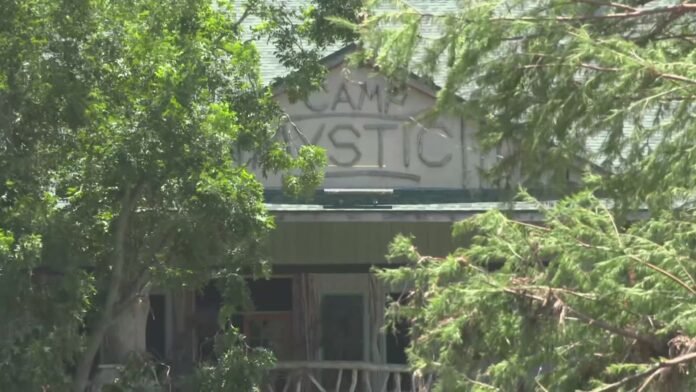

Camp Mystic Cypress Lake is preparing to welcome campers again in the summer of 2026, marking a significant step in the camp’s recovery following the devastating Guadalupe River flood in July 2025. While the original Guadalupe site remains closed due to catastrophic damage, the Cypress Lake campus is being positioned as the future of Camp Mystic, balancing a legacy of tradition with a renewed commitment to safety and healing.
The History of Camp Mystic
Founded in 1926, Camp Mystic has been a Texas institution for nearly a century. Built along the banks of the Guadalupe River in Hunt, Texas, the camp became known as a private Christian girls’ camp where generations of young women gathered to strengthen faith, build friendships, and experience outdoor life.
Over time, Camp Mystic grew into a multigenerational tradition, with alumni often sending their daughters and granddaughters back each summer.
Recognizing the need for expanded facilities and more modern infrastructure, leaders introduced Camp Mystic Cypress Lake in 2020. This second location was designed to mirror the spirit of the Guadalupe campus while offering higher elevation, contemporary cabins, and expanded activity areas. The dual-campus system gave the camp more flexibility and space, but in 2025 it also became the reason the camp’s legacy could continue after disaster struck.
The Guadalupe River Flood of 2025
On July 4, 2025, heavy rains caused the Guadalupe River to surge far beyond its banks. Campers and staff at the Guadalupe site were caught in the sudden flash flood, and water swept through cabins and activity areas in the middle of the night.
The impact was catastrophic:
- 27 campers and staff members lost their lives.
- One camper, Cile Steward, remains missing.
- Dozens of families were left grieving, while survivors struggled with trauma.
The flood instantly changed the course of Camp Mystic’s history. Beyond the heartbreak, it exposed questions about construction in flood-prone zones, evacuation planning, and the overall safety of youth camps across Texas.
Why Cypress Lake Is the Focus for 2026
The Guadalupe site is now indefinitely closed while leaders, engineers, and regulators assess what parts of the property can ever be safely rebuilt. In contrast, Camp Mystic Cypress Lake sustained little direct damage due to its higher ground and safer design.
The decision to center reopening plans around Cypress Lake reflects several factors:
- Safety of location: The elevation and infrastructure proved far more resilient to extreme weather.
- Existing facilities: Cabins, dining halls, stables, and waterfront areas remained intact and can be upgraded to meet new codes.
- Community healing: Reopening Cypress Lake allows camp traditions to continue while honoring the memory of those lost.
- Timeline: Families and alumni eager to see the camp’s 100th anniversary celebrated in 2026 can do so at Cypress Lake.
Safety Reforms Under the “Heaven’s 27 Act”
The tragedy pushed Texas lawmakers to act quickly, introducing and passing new legislation known informally as the Heaven’s 27 Camp Safety Act. These reforms now apply to all summer camps in the state, with strict requirements that will shape Camp Mystic Cypress Lake’s operations:
- No overnight facilities in designated flood zones.
- Mandatory installation of emergency weather alerts and alarm systems.
- Detailed evacuation routes and drills.
- Full transparency in reporting safety plans to parents.
- Third-party inspection and certification of camp structures.
Camp Mystic leadership has pledged to adopt these reforms not only at Cypress Lake but also in any future reconstruction at the Guadalupe site.
Community Reaction: Hope and Hesitation
While many are encouraged by the decision to reopen Camp Mystic Cypress Lake, not everyone agrees on the timing.
- Supporters believe reopening offers healing for campers and families who see the camp as a cornerstone of their summer traditions. They argue that Cypress Lake represents resilience and renewal.
- Critics, especially some families of victims, feel reopening so soon may be insensitive. For them, the priority should remain on accountability, investigations, and memorials.
- Advocates for reform caution that reopening must come with strict enforcement of the new safety standards, not just promises.
The debate underscores the emotional weight surrounding Camp Mystic’s future.
Plans for Honoring the “Heaven’s 27”
As part of reopening efforts, Camp Mystic leadership announced plans for a memorial at Cypress Lake to honor the 27 lives lost. This memorial is envisioned as both a place of remembrance and a visible reminder of the importance of safety.
However, some families have voiced concerns that they were not sufficiently consulted in the planning process. Balancing the need for a meaningful tribute with the urgency of reopening remains one of the camp’s most delicate challenges.
What Campers Can Expect in 2026
When Camp Mystic Cypress Lake reopens in summer 2026, it will coincide with the camp’s 100th anniversary, an event originally planned before the flood but now carrying deeper meaning.
Campers and families can expect:
- Upgraded safety systems in cabins and activity areas.
- Expanded programs that mirror the Guadalupe traditions, from horseback riding and swimming to worship services and evening campfires.
- New staff training protocols focused on emergency response.
- Reflection and remembrance activities integrated into the summer experience.
- Phased rebuilding efforts, with Guadalupe remaining closed until experts deem it safe.
The first summer back will carry both celebration and solemn remembrance.
Financial and Logistical Challenges
Reopening Camp Mystic Cypress Lake also comes with major financial hurdles. Rebuilding efforts, safety upgrades, and memorial construction require significant investment. Fundraising campaigns have already begun, supported by alumni, local churches, and Texas families who view the camp as a vital tradition.
Insurance claims and state aid may cover part of the costs, but the scale of reconstruction is expected to take years. For now, Cypress Lake serves as the practical and symbolic restart point for the camp’s legacy.
The Bigger Picture: Camp Safety in Texas
The tragedy at Camp Mystic has forced other camps in Texas and beyond to confront their own vulnerabilities. Flood zones, outdated infrastructure, and insufficient emergency planning are now under scrutiny.
By reopening Camp Mystic Cypress Lake with heightened safety measures, leaders hope to set an example for how camps nationwide can evolve to protect children while still offering meaningful outdoor experiences.
Final Thoughts
The reopening of Camp Mystic Cypress Lake in 2026 will be a turning point. It is not just about cabins and activities—it is about memory, accountability, and resilience. For families who have sent generations of girls to Camp Mystic, the Cypress Lake reopening offers hope for healing. But it also comes with the heavy responsibility of ensuring such a tragedy never happens again.
As the camp prepares for its centennial season, the question remains: can tradition and transformation coexist in a way that truly honors the past while safeguarding the future?
What do you think about the decision to reopen Camp Mystic Cypress Lake? Share your thoughts below and join the conversation.